Harley Davidson Derby Cover

What is a derby cover on a Harley?
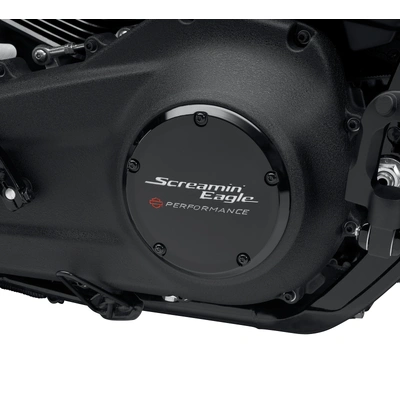
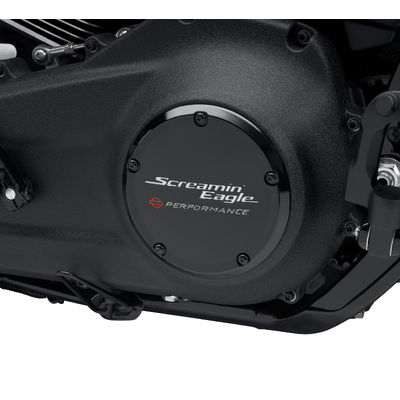
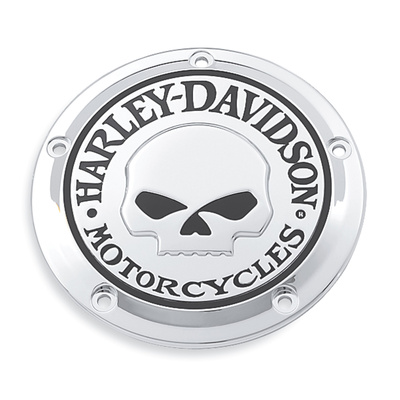
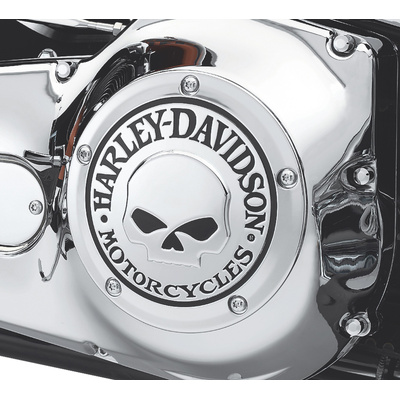
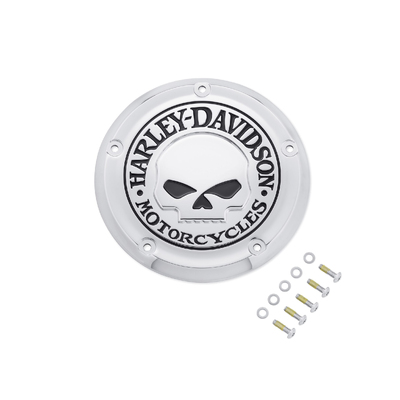
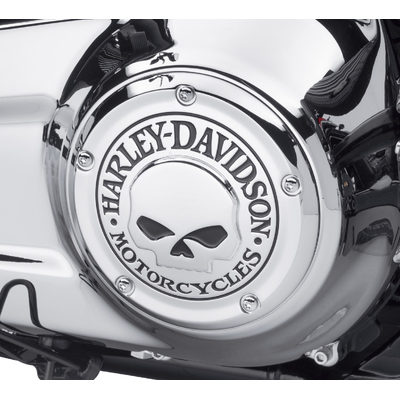
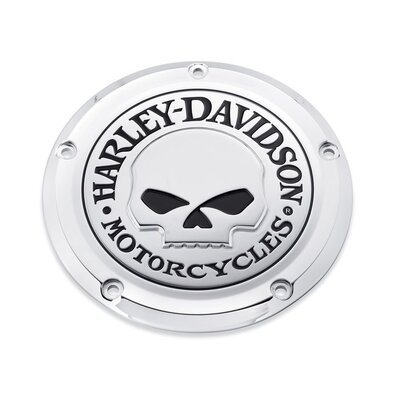
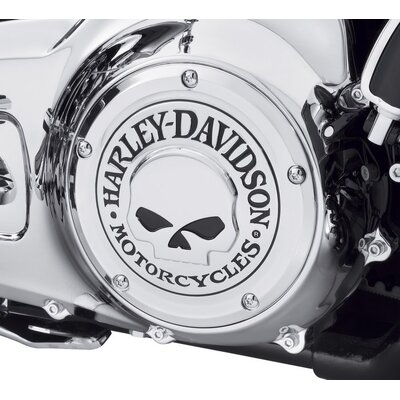
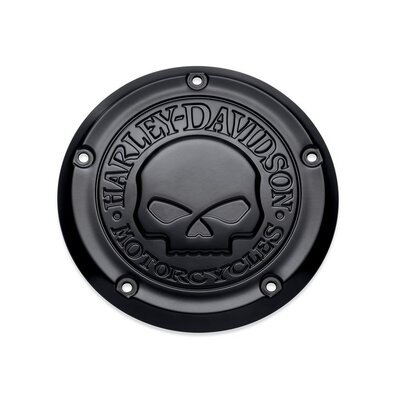
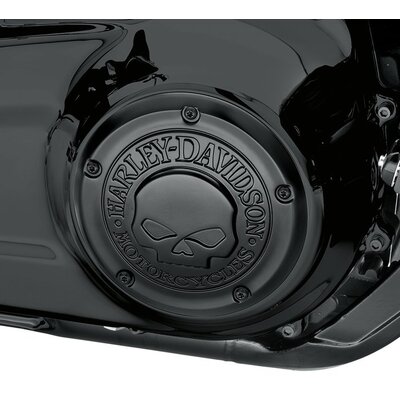
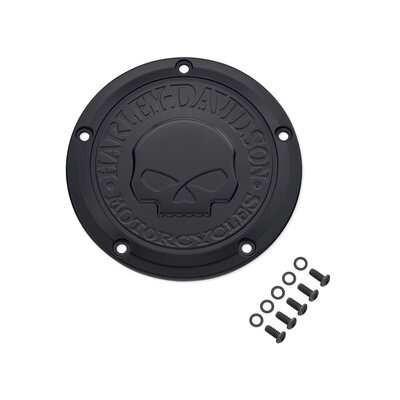
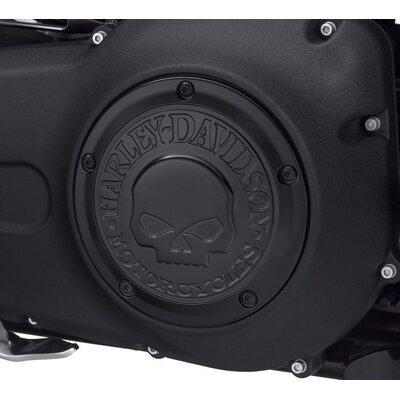
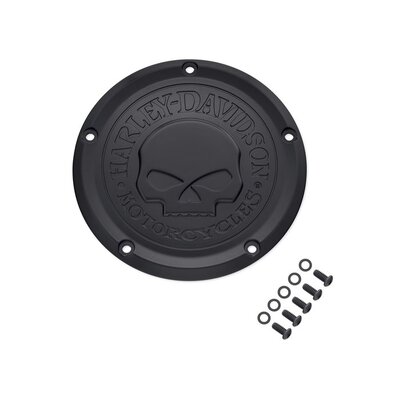
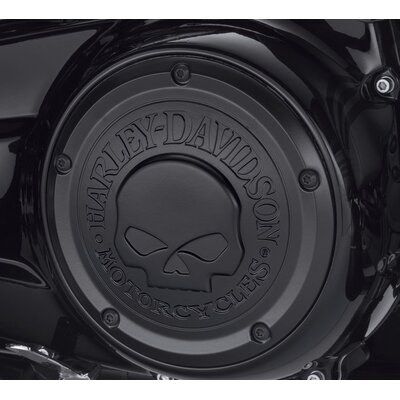
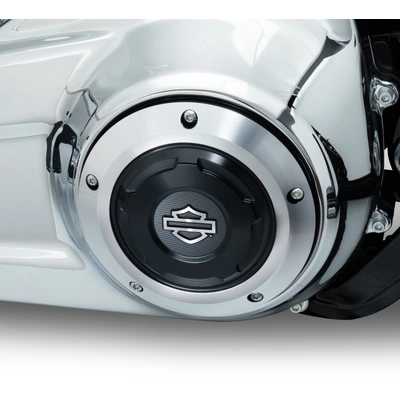
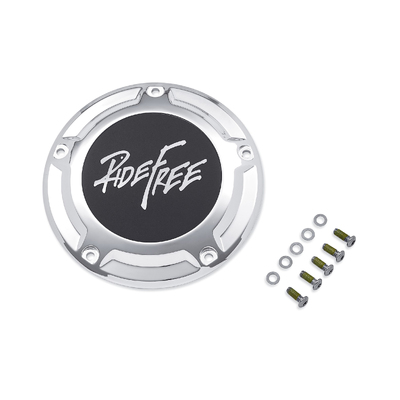
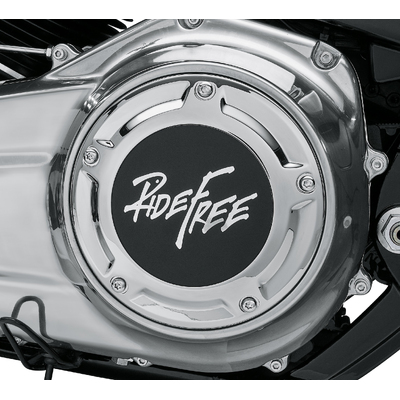
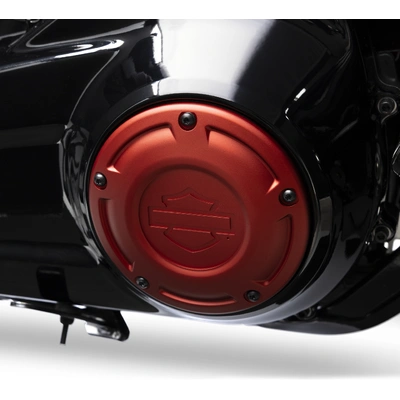
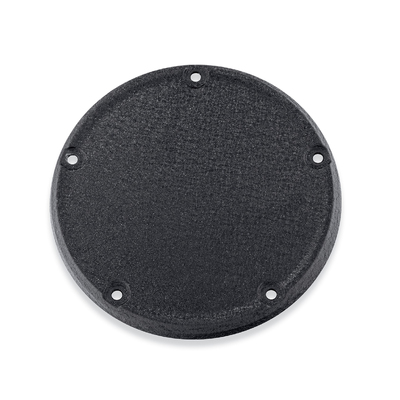
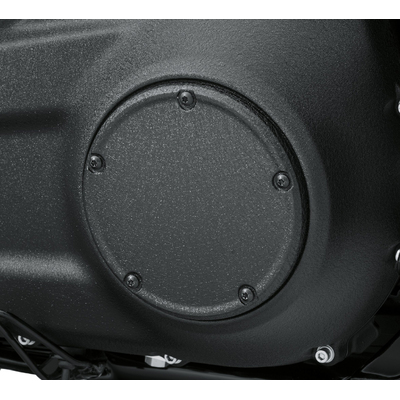
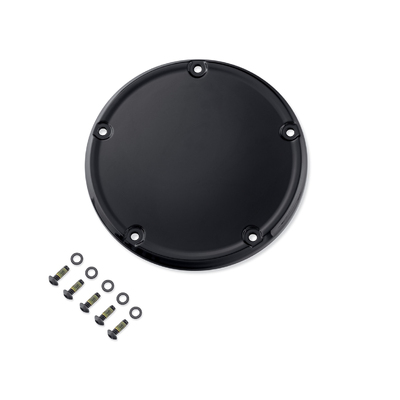
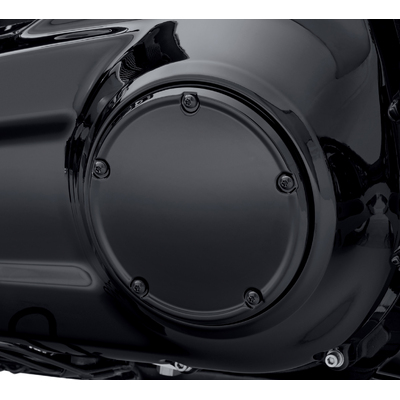
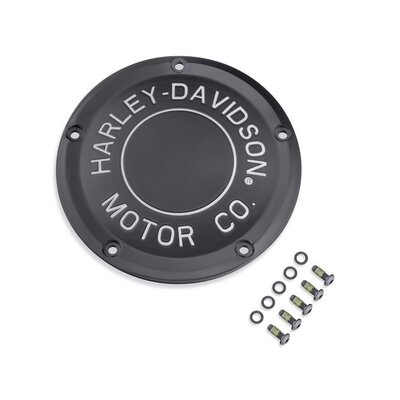
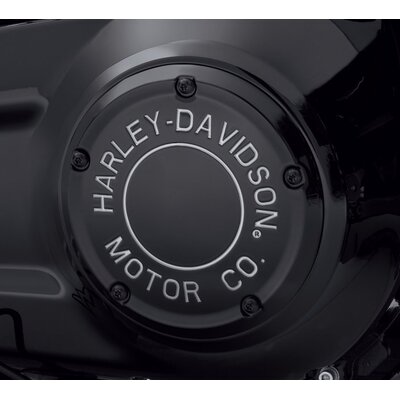
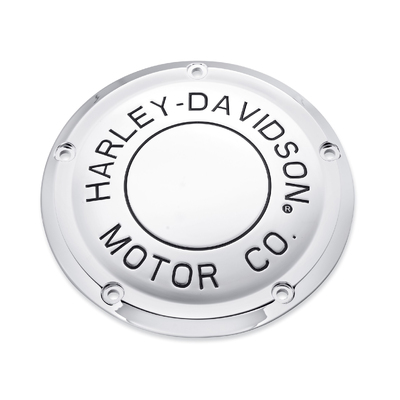
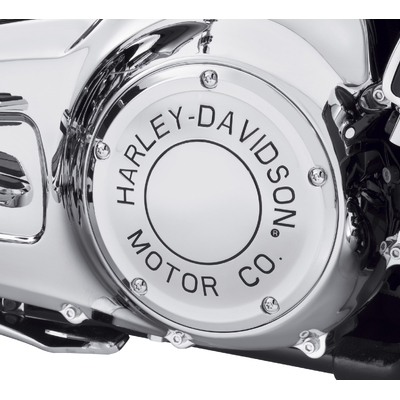
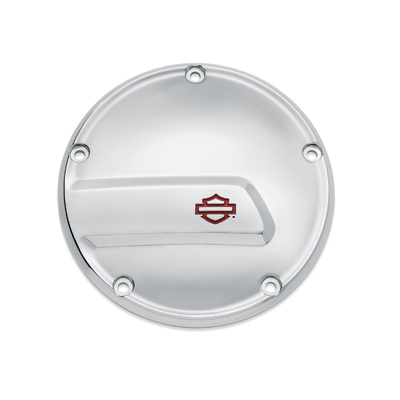
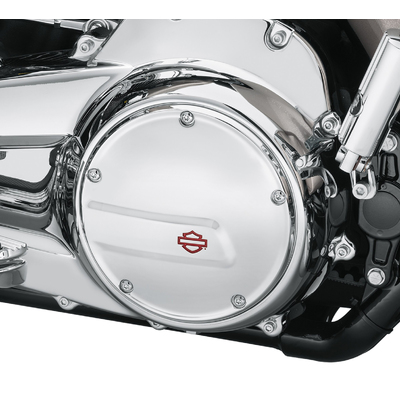
A Harley Davidson derby cover is the circular cover on the primary case that gives you access to the clutch assembly, but for most riders, it’s also one of the easiest and most effective ways to customise the look of their bike. Whether you choose a black Harley derby cover, a chrome finish, or something bold like a Willie G Skull derby cover, it instantly adds personality to your engine setup while still serving a practical purpose. When you shop for a derby cover at Morgan and Wacker, you’re buying from a team that understands Harley riders and delivers reliable products you can fit with confidence.
Why does Harley call it a Derby cover?
The term “derby cover” comes from the round, hat-like shape of the component which resembles a traditional derby hat. Over time, Harley Davidson riders adopted the term, and it has stuck ever since, becoming the standard name for what is essentially the clutch inspection cover on the primary. Check out our wide selection of derby covers on this page.
Is a Harley Davidson derby cover the same as a primary cover?
No, a Harley Davidson derby cover is not the same as a primary cover. The primary cover is the larger outer casing that houses the entire primary drive system, while the derby cover is the smaller, removable section attached to it. If you’re looking to upgrade both, you can explore matching options across the Harley primary covers range to create a cohesive look.
Is a Harley Davidson derby cover the same as a clutch cover?
Yes, in most cases a Harley clutch cover refers to the same part as the derby cover. Riders often use both terms interchangeably because the derby cover provides access to the clutch. When browsing, you’ll often see terms like “clutch cover Harley Davidson” or “derby cover Harley,” but they generally refer to the same component.
Are all Harley derby covers the same?
Not all Harley Davidson derby covers are the same, and choosing the right one depends on your engine type and model. Fitment varies between Milwaukee-Eight (M8 derby cover), Twin Cam, and Sportster derby cover designs, so it’s important to match the cover to your bike. You’ll also find differences in bolt patterns such as 3-hole derby covers, as well as variations in depth like narrow profile derby covers for improved clearance.
What are the most popular Harley Davidson derby cover styles?
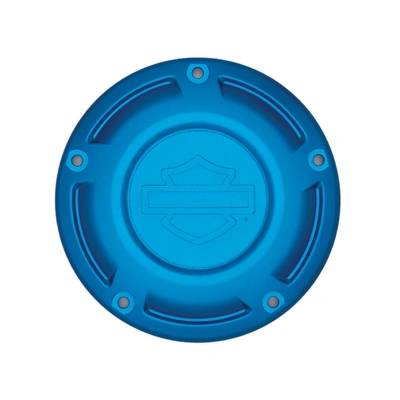
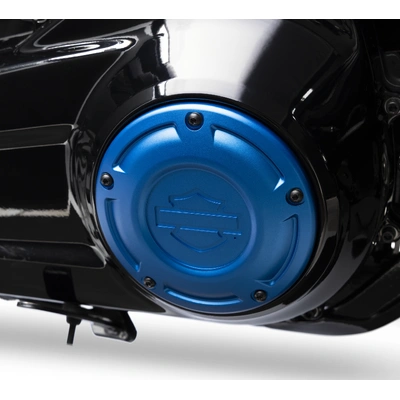
Riders tend to choose derby covers based on style as much as function, with popular options including black Harley derby covers for a stealth look, chrome derby covers for a classic finish, and Willie G Skull derby covers for that iconic Harley edge. Performance-inspired options like the Screamin Eagle derby cover and standout designs like the Harley-Davidson 66 Collection derby cover or the Harley-Davidson Redline Derby Cover in red or blue anodized finishes are also highly sought after.
How do I choose the right derby cover for my Harley?
Choosing the right Harley Davidson derby cover comes down to your bike model, engine type, and the look you want to achieve. If you ride a Softail, Dyna or Touring model like a Street Glide or Road Glide, you’ll need to ensure compatibility with your engine size such as 103, 114, 117 or 131. Many riders say they start with fitment first, then choose a design that matches other upgrades like Harley air cleaner covers or Harley axle nut covers to create a consistent custom look.
Is upgrading a derby cover worth it?
Upgrading a Harley derby cover is one of the easiest and most affordable ways to improve the overall look of the bike. It’s a small detail, but it’s one of the first things people notice especially when paired with other custom engine components. It’s a quick visual upgrade that delivers a big impact without major modifications. At Morgan and Wacker, you’ll find high quality Harley Davidson derby covers chosen by riders who value fit, finish and long-lasting performance.
How to install a derby cover on your Harley Davidson motorcycle?
Installing a Harley Davidson derby cover is a straightforward process that many riders handle themselves. It typically involves removing the bolts from the existing cover, carefully taking it off, checking the gasket, and fitting the new cover in place before tightening the bolts evenly. It’s one of the easiest mods you can do in under 20 minutes making it a great starting point if you’re new to customising your bike.