CVO™ Street Glide™ Limited
When perfection meets the open road, every mile feels alive. The 2026 CVO Street Glide Limited shows that true luxury isn’t about arriving faster, but enjoying everything between here and there.
At a Glance
Luxury Engineered to Obsession.
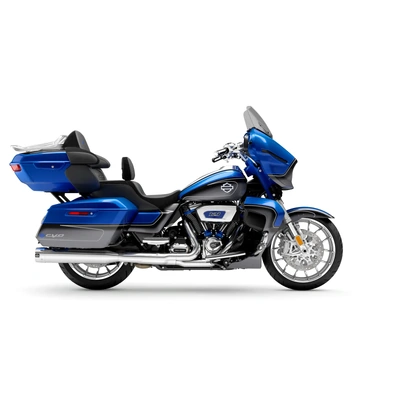
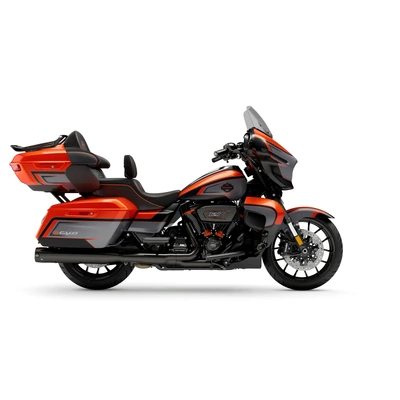
Nothing on the new 2026 CVO Street Glide Limited is left to chance. This is the ultimate luxury touring machine, from the split seven-spoke custom wheels and Citrus Heat tri-tone paint to the new Grand Tour-Pak™ with flush LED lighting. Every line, every contour, and every nut and bolt on this motorcycle is deliberate. Underneath, the Milwaukee-Eight™ VVT 121 motor and Skyline™ OS infotainment system set the standard for performance and innovation. This is more than attention to detail. It’s absolute devotion to it.
115 HP
Horsepower
740 mm
Seat Height, Unladen
183 Nm
Engine Torque
6 L/100 Km
Fuel Economy
Premium Paint + Graphics
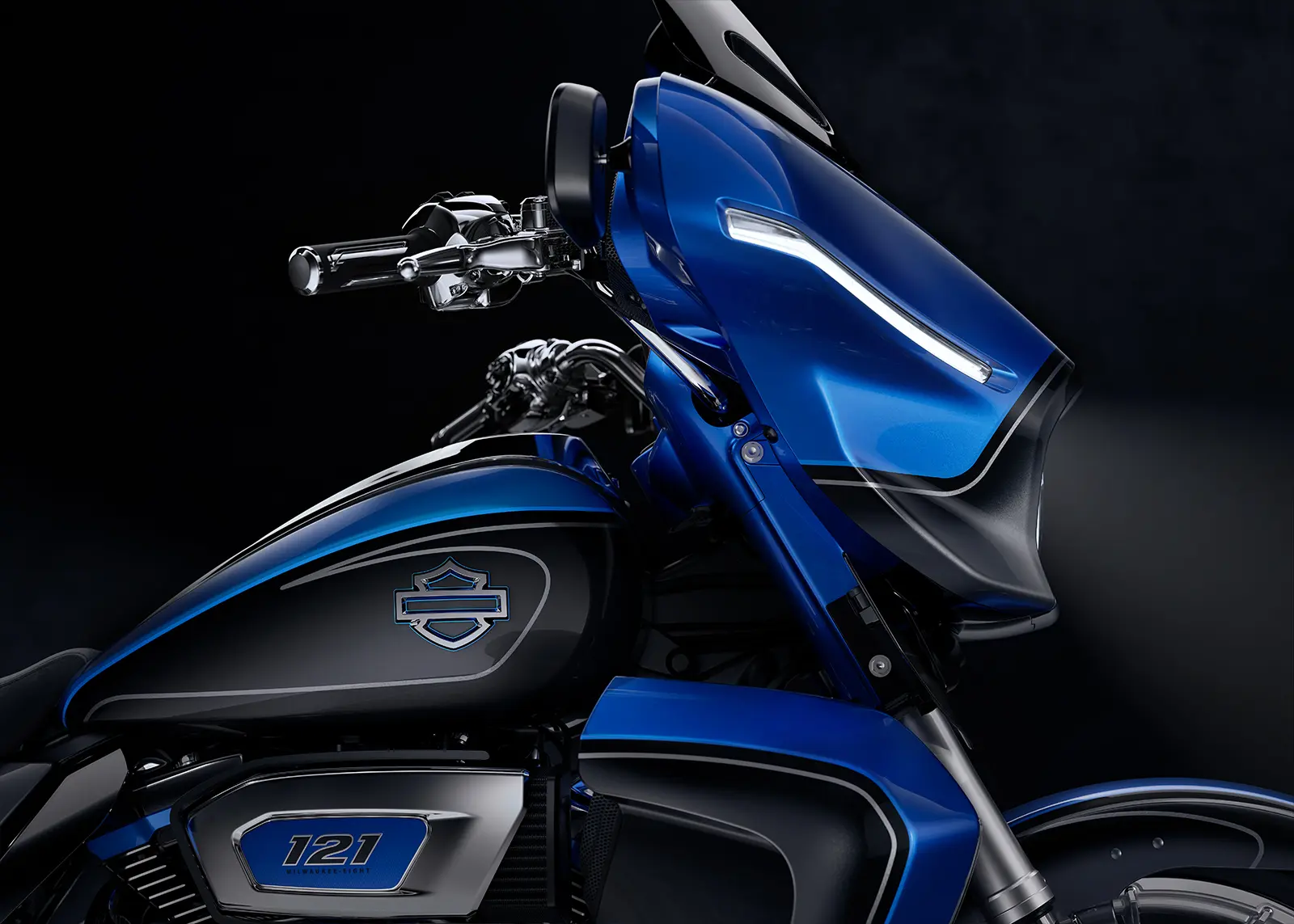
From the fiery warmth of Citrus Heat Tri-Tone to the coastal cool of Electric Coast Two-Tone, these new finishes elevate the art of Harley-Davidson touring. Each one radiates the kind of presence only a CVO can carry. Paint? Hardly. This is American craftsmanship you can see well before you ever hit the start button.
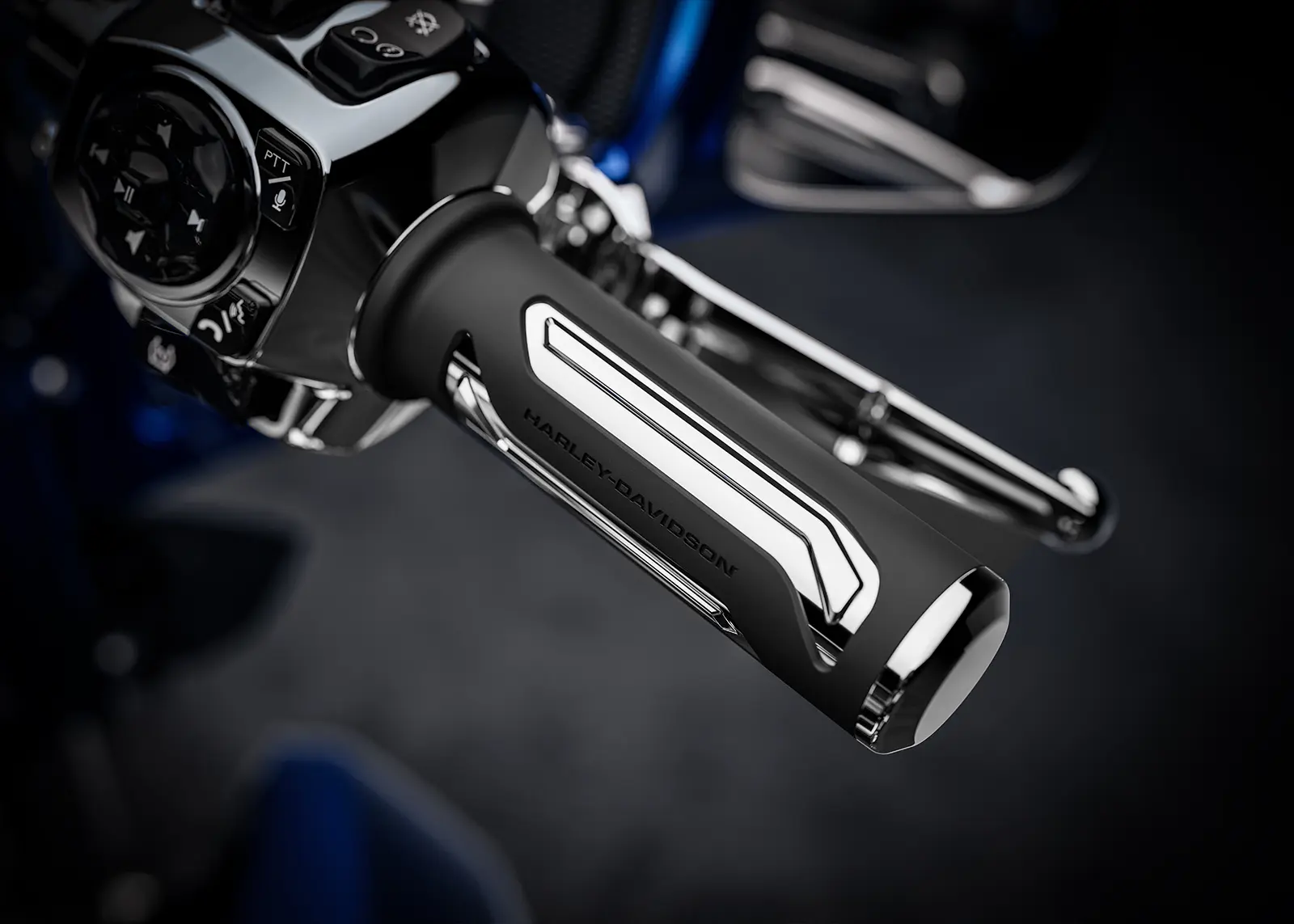
The Carbide Collection
Every contact point, from the newly heated grips to the floorboards and peg set, belongs to the new Carbide Collection. It’s a cohesive design language that unites tactile luxury with visual dominance, letting riders experience warmth, control, and unmistakable craftsmanship mile after mile.
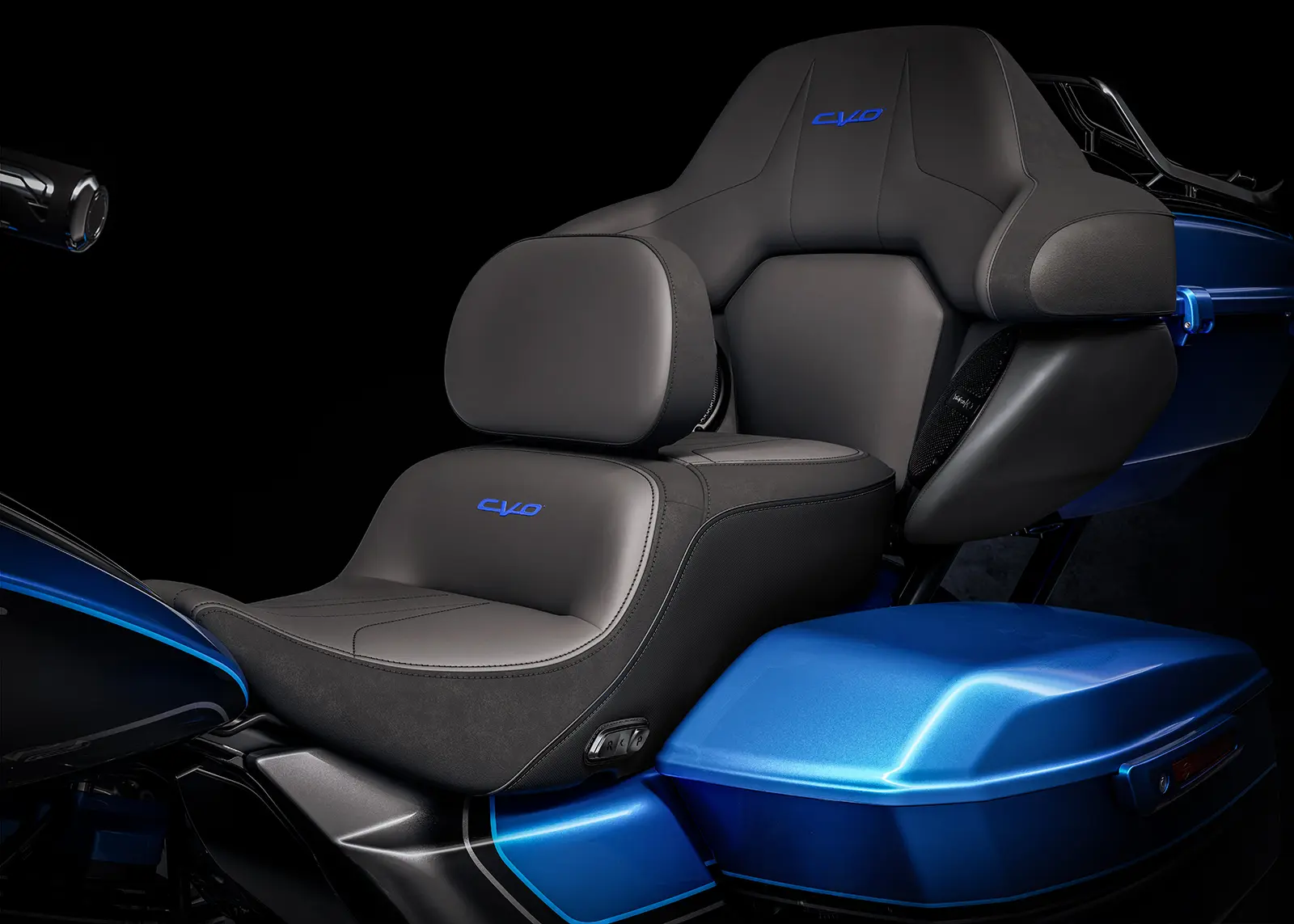
Comfort in Every Contour
The all-new heated rider and passenger seat has been completely redesigned for next-generation touring comfort. Sculpted padding, refined stitching, and improved ergonomics support you mile after mile, whether you’re chasing horizons or just stretching the day a little farther. A removable rider backrest and matching passenger backrest provide personalized support, while a taller light-smoke windshield, highway pegs, and a heel shifter complete a setup built for long-haul relaxation and control.
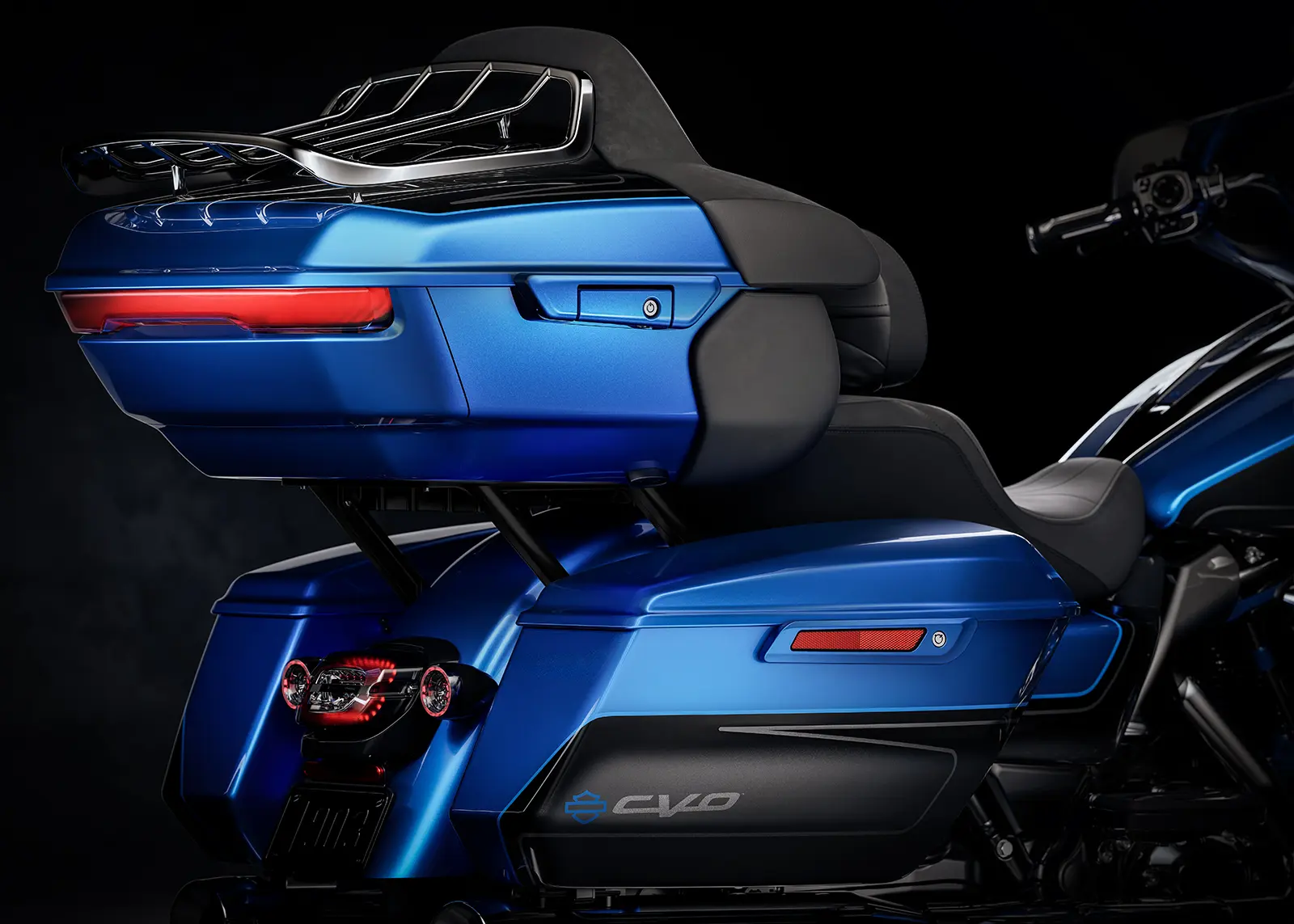
Redesigned Tour-Pak with Integrated LED Lighting
The new Grand Tour-Pak brings refined function to luxury touring. Flush lighting, integrated speaker pods, and a reimagined rack design create a seamless visual flow, while electronic locking saddlebags, pull-out liners, and improved storage access make every mile of travel that much easier.
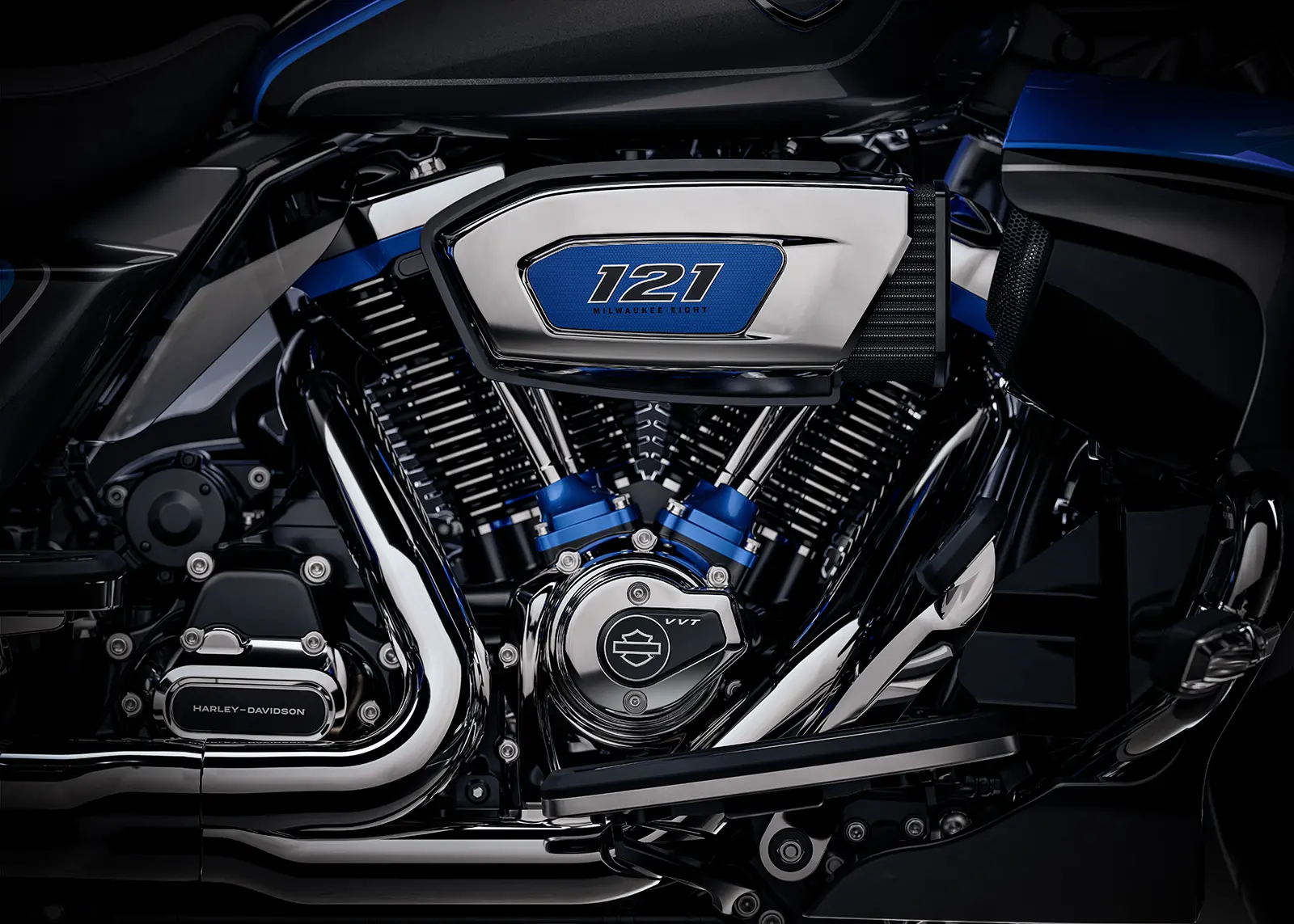
Milwaukee-Eight VVT 121 Power
The Milwaukee-Eight VVT 121 delivers 86 kW @ 5020 rpm and 183 Nm @ 3,500 rpm, with its Variable Valve Timing technology broadening the powerband for smooth, usable torque throughout the rev range. Variable valve timing optimizes low-end pull, fuel efficiency, and mid-range torque, making it the refined side of Harley-Davidson performance built for long-haul confidence. Think: power meets poise in the purest expression of Grand American performance.
Gallery
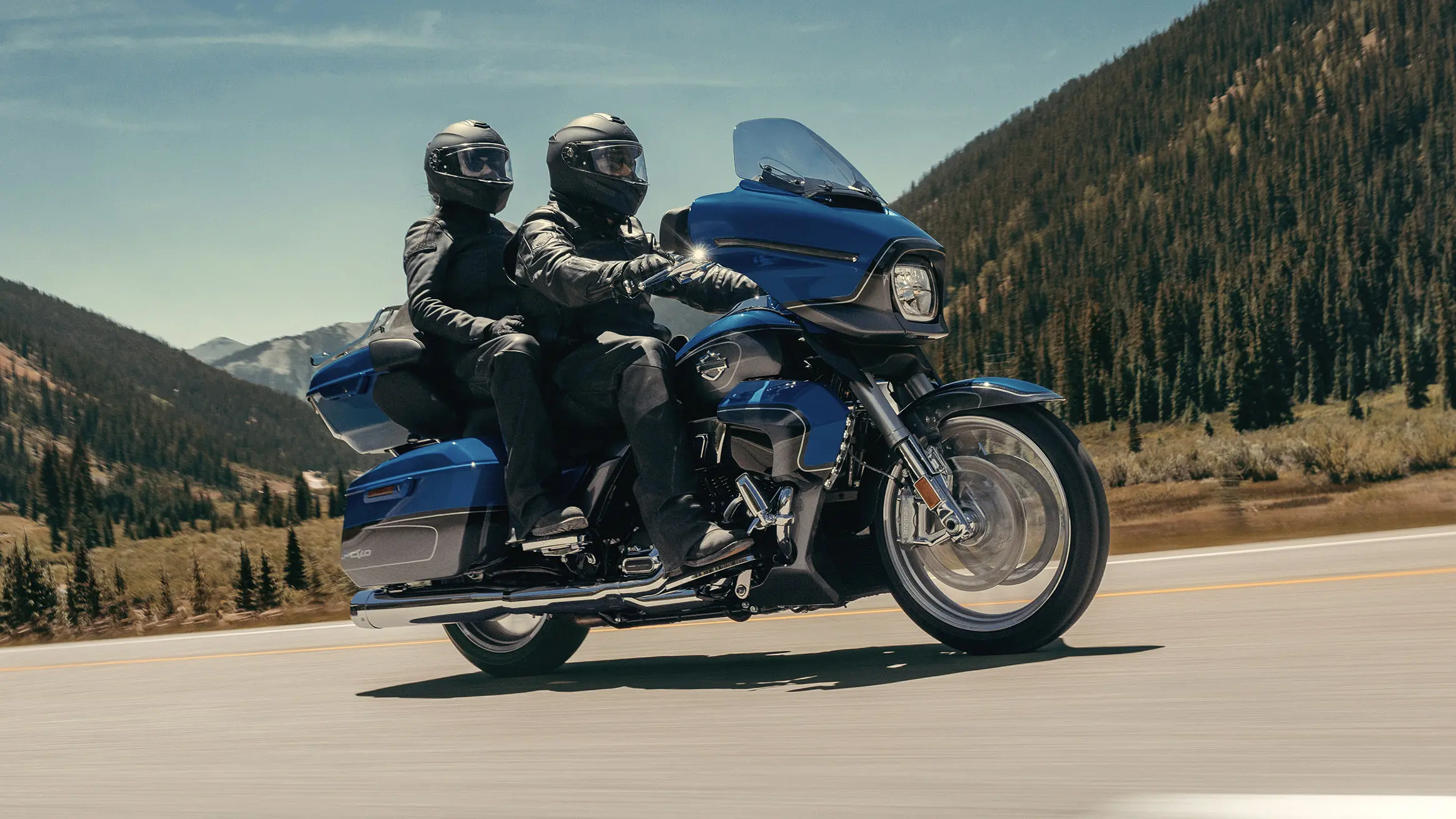
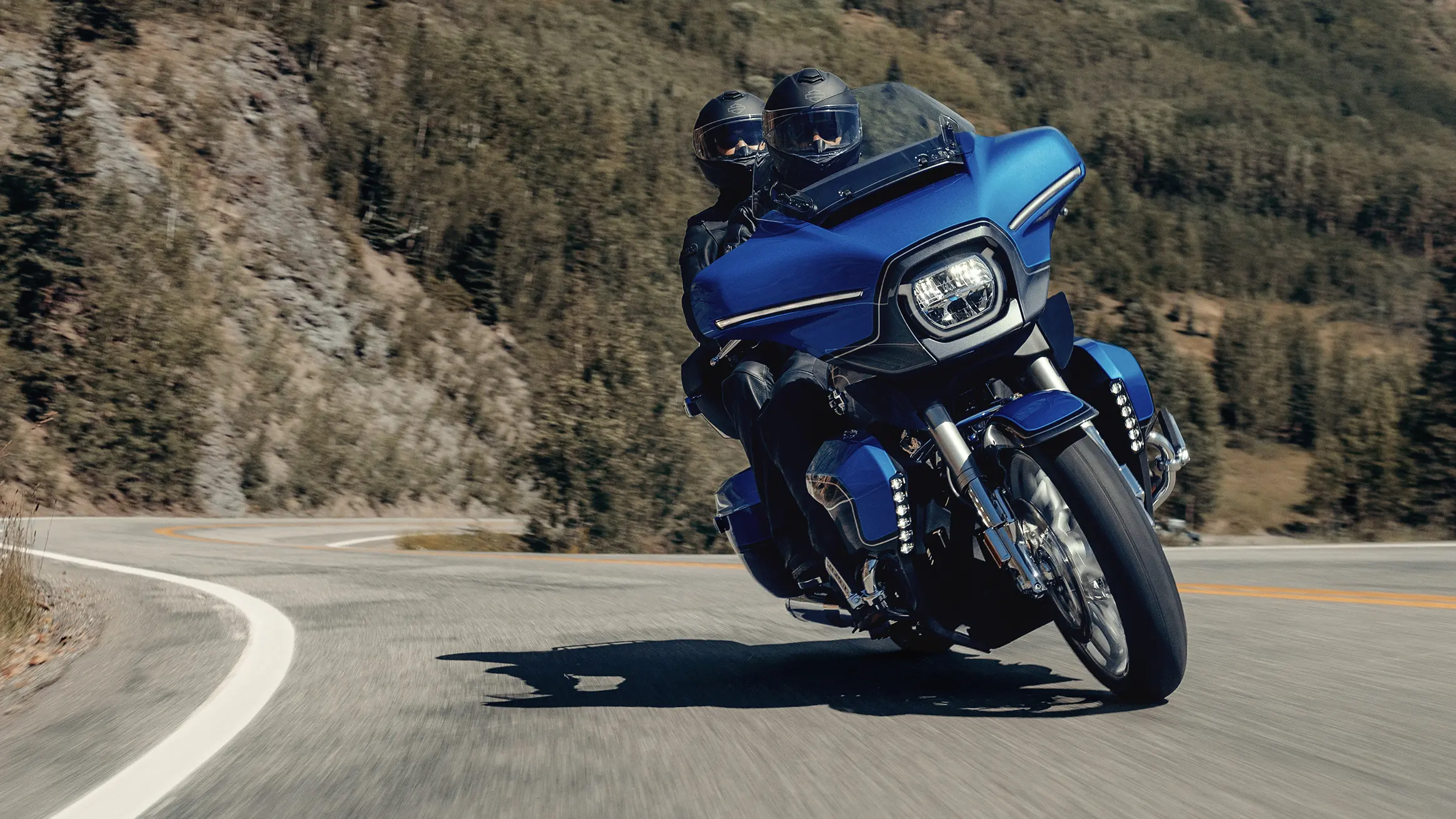
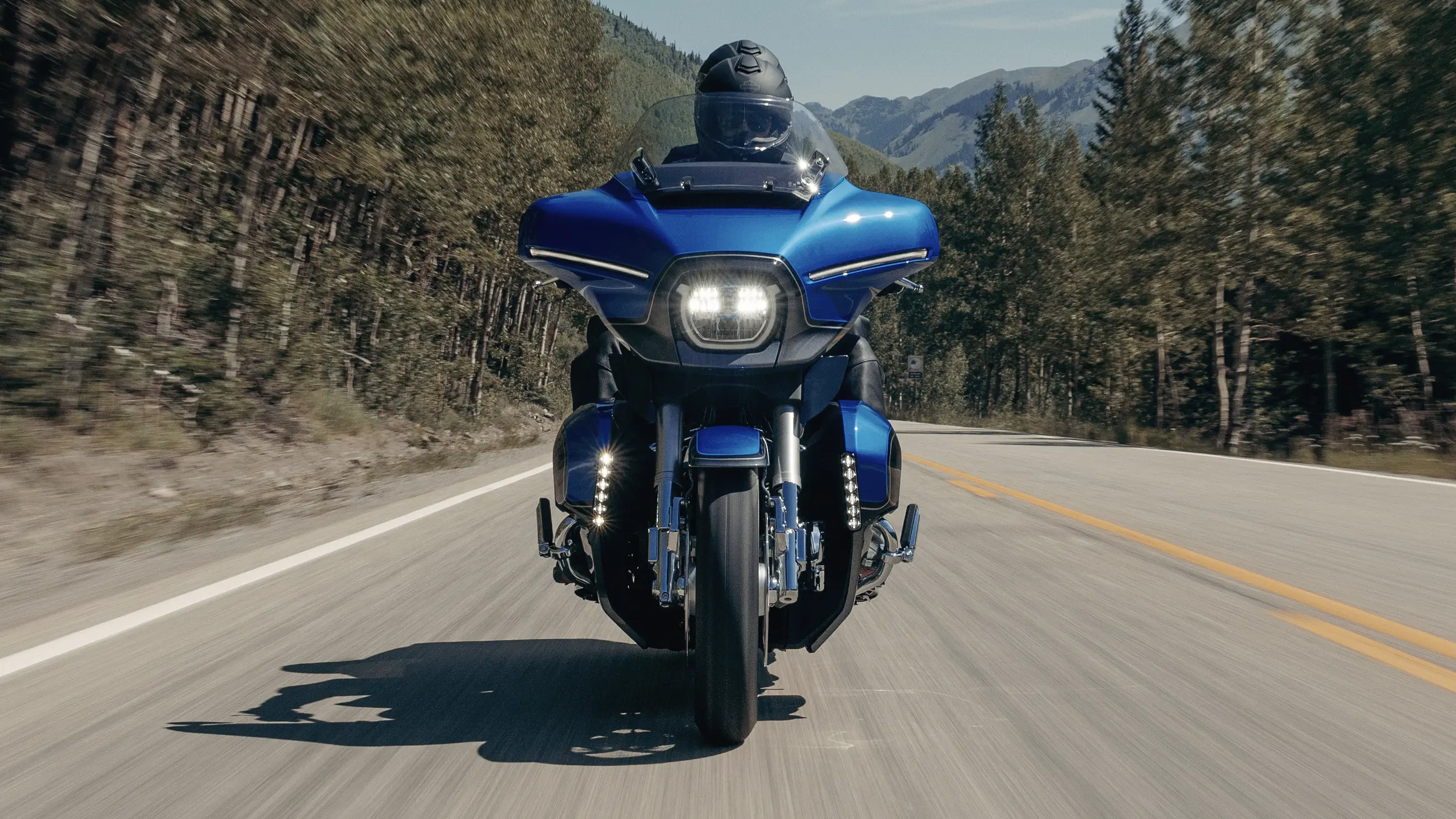
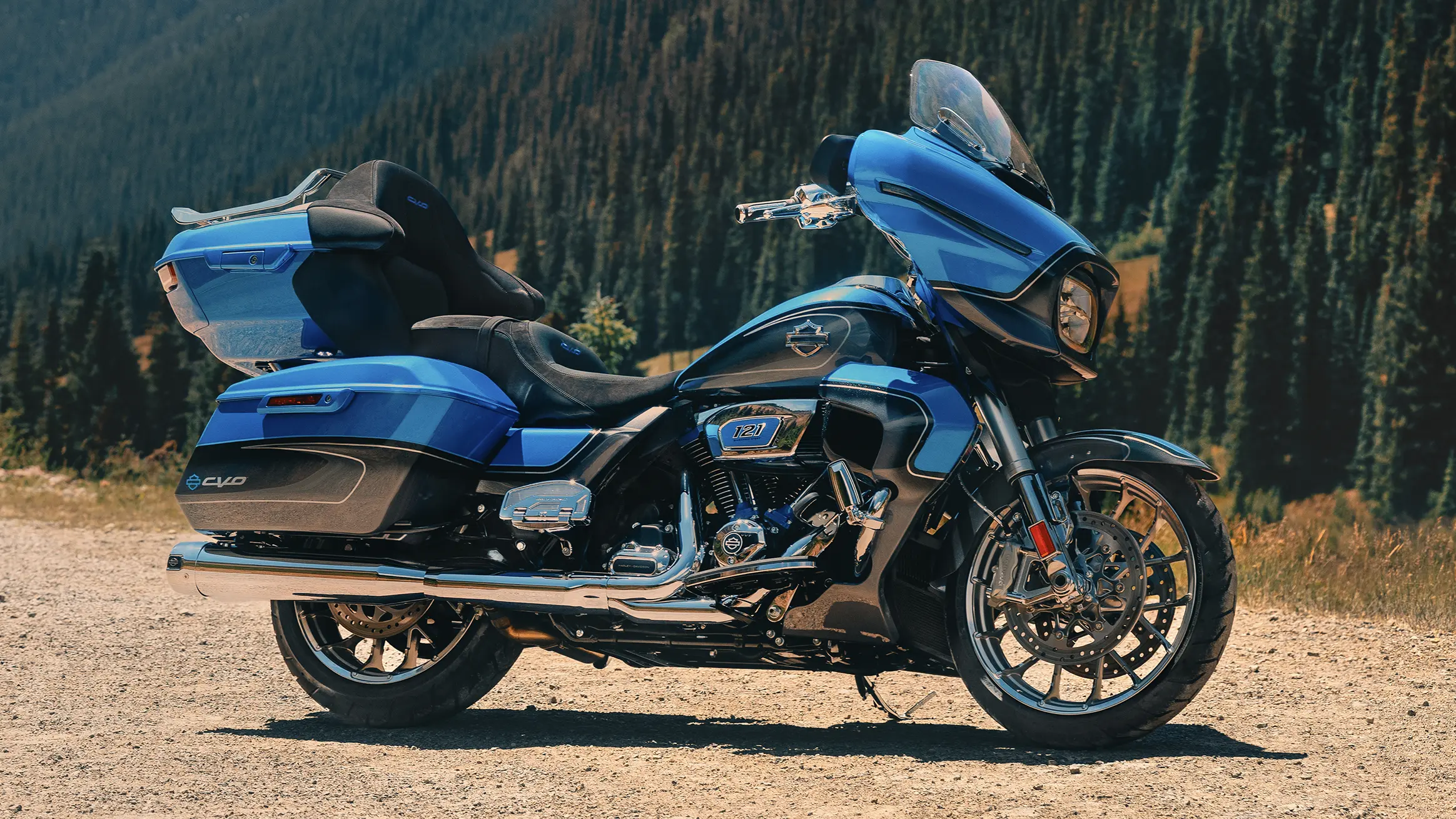
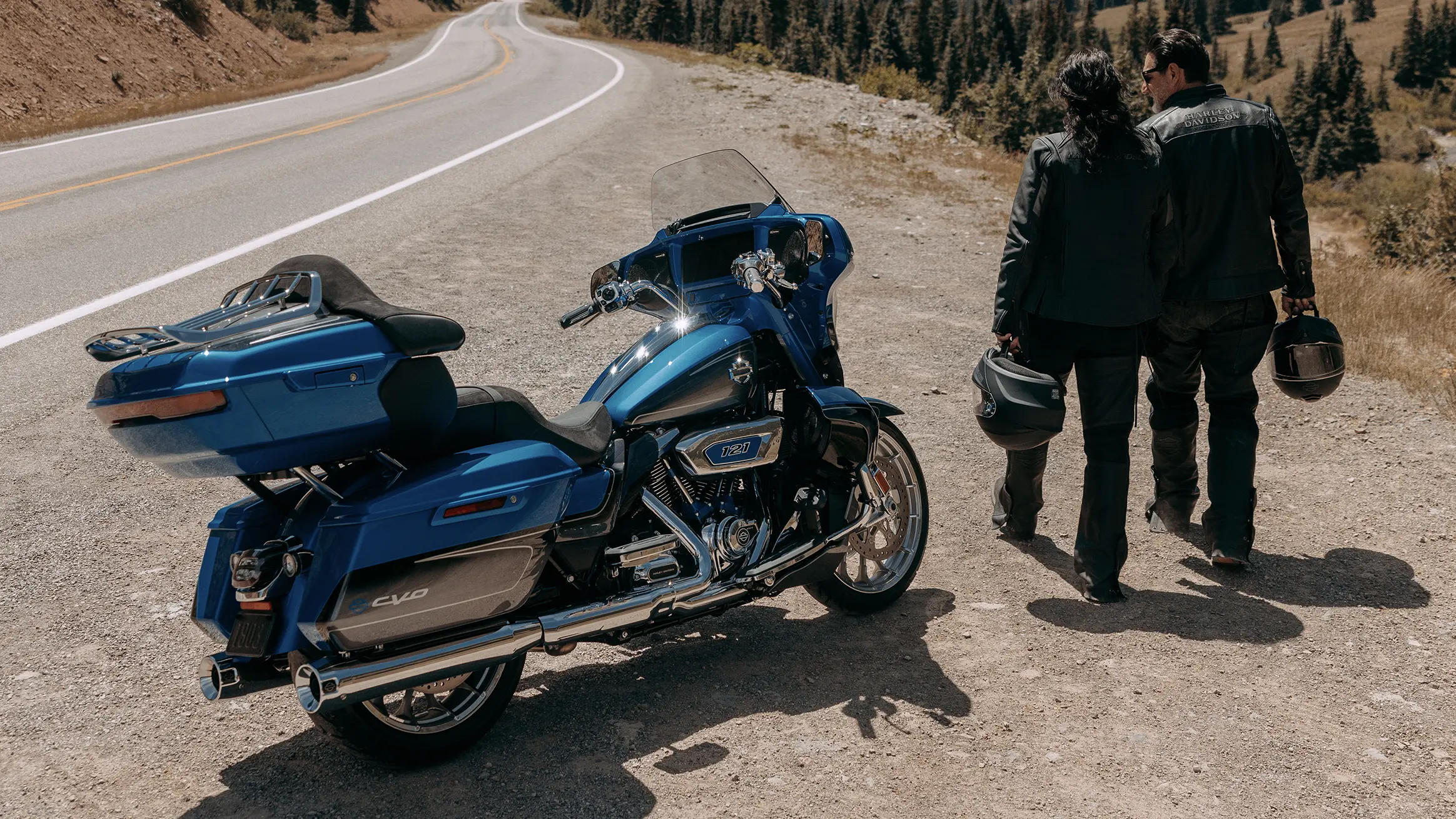
Explore the 2026 CVO Street Glide Limited
EBeyond the Limits of Luxury.
Every surface, sound, and sensation on the 2026 CVO Street Glide Limited is purpose-built to deliver peak comfort and control. It’s the touring benchmark, crafted for those who expect the best, and built for those who ride beyond limits.
Premium Paint + Graphics
From the fiery warmth of Citrus Heat Tri-Tone to the coastal cool of Electric Coast Two-Tone, these new finishes elevate the art of Harley-Davidson touring. Each one radiates the kind of presence only a CVO can carry. Paint? Hardly. This is American craftsmanship you can see well before you ever hit the start button.
The Carbide Collection
Every contact point, from the newly heated grips to the floorboards and peg set, belongs to the new Carbide Collection. It’s a cohesive design language that unites tactile luxury with visual dominance, letting riders experience warmth, control, and unmistakable craftsmanship mile after mile.
Comfort in Every Contour
The all-new heated rider and passenger seat has been completely redesigned for next-generation touring comfort. Sculpted padding, refined stitching, and improved ergonomics support you mile after mile, whether you’re chasing horizons or just stretching the day a little farther. A removable rider backrest and matching passenger backrest provide personalized support, while a taller light-smoke windshield, highway pegs, and a heel shifter complete a setup built for long-haul relaxation and control.
Redesigned Tour-Pak with Integrated LED Lighting
The new Grand Tour-Pak brings refined function to luxury touring. Flush lighting, integrated speaker pods, and a reimagined rack design create a seamless visual flow, while electronic locking saddlebags, pull-out liners, and improved storage access make every mile of travel that much easier.
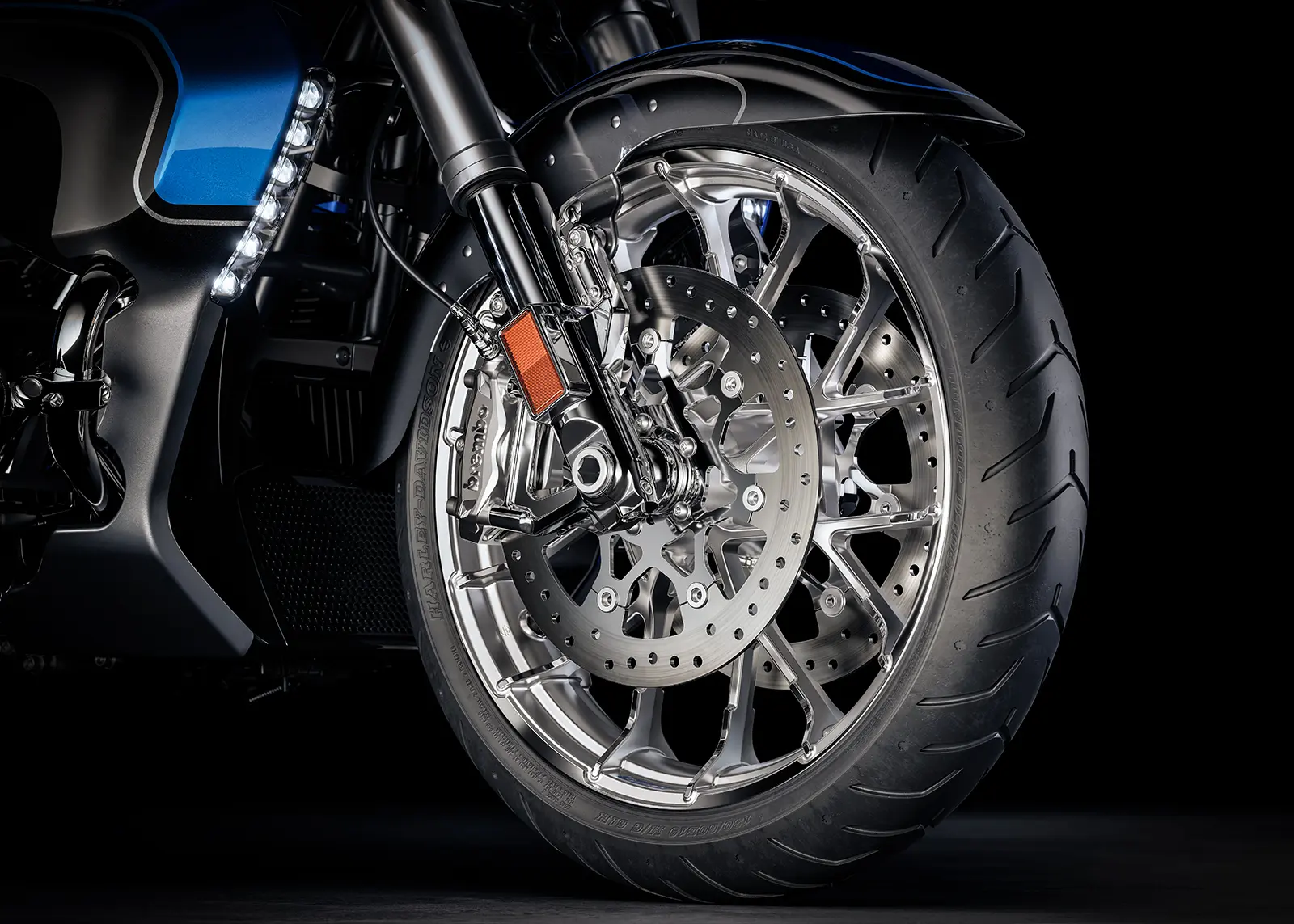
Split Seven-Spoke Custom Wheels
Exclusive to the CVO Street Glide Limited, the new Split Seven-Spoke custom wheels strike the perfect balance between strength and sophistication. Lightweight, refined, and unapologetically bold, they set a new visual standard for Grand American Touring.
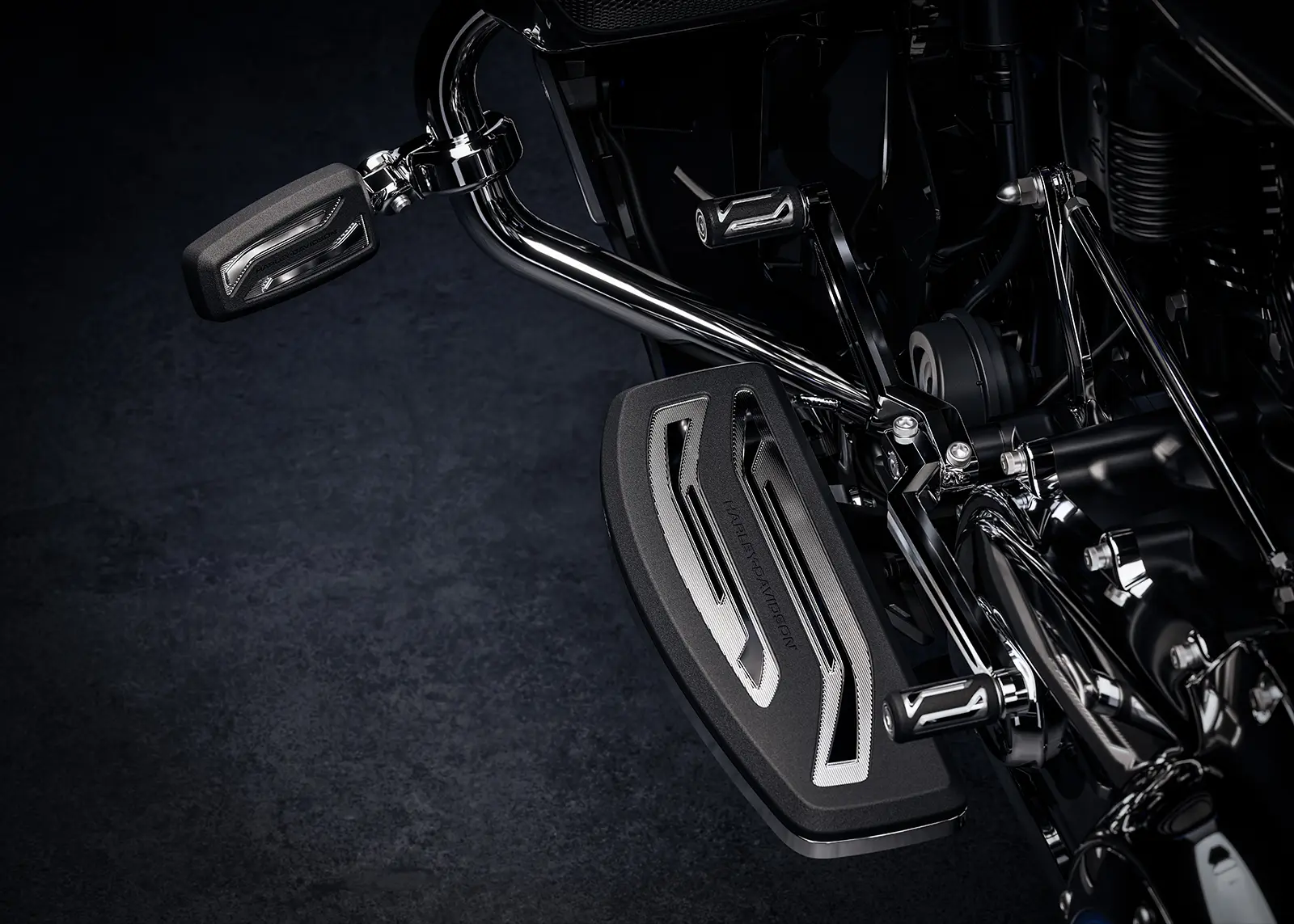
Highway Pegs and Heel-Toe Shifter
Long miles call for small comforts that add up. Highway pegs let you stretch out and reset your posture, while the heel-toe shifter keeps your rhythm steady and your focus on the road. It’s control that feels built around you, not the other way around.
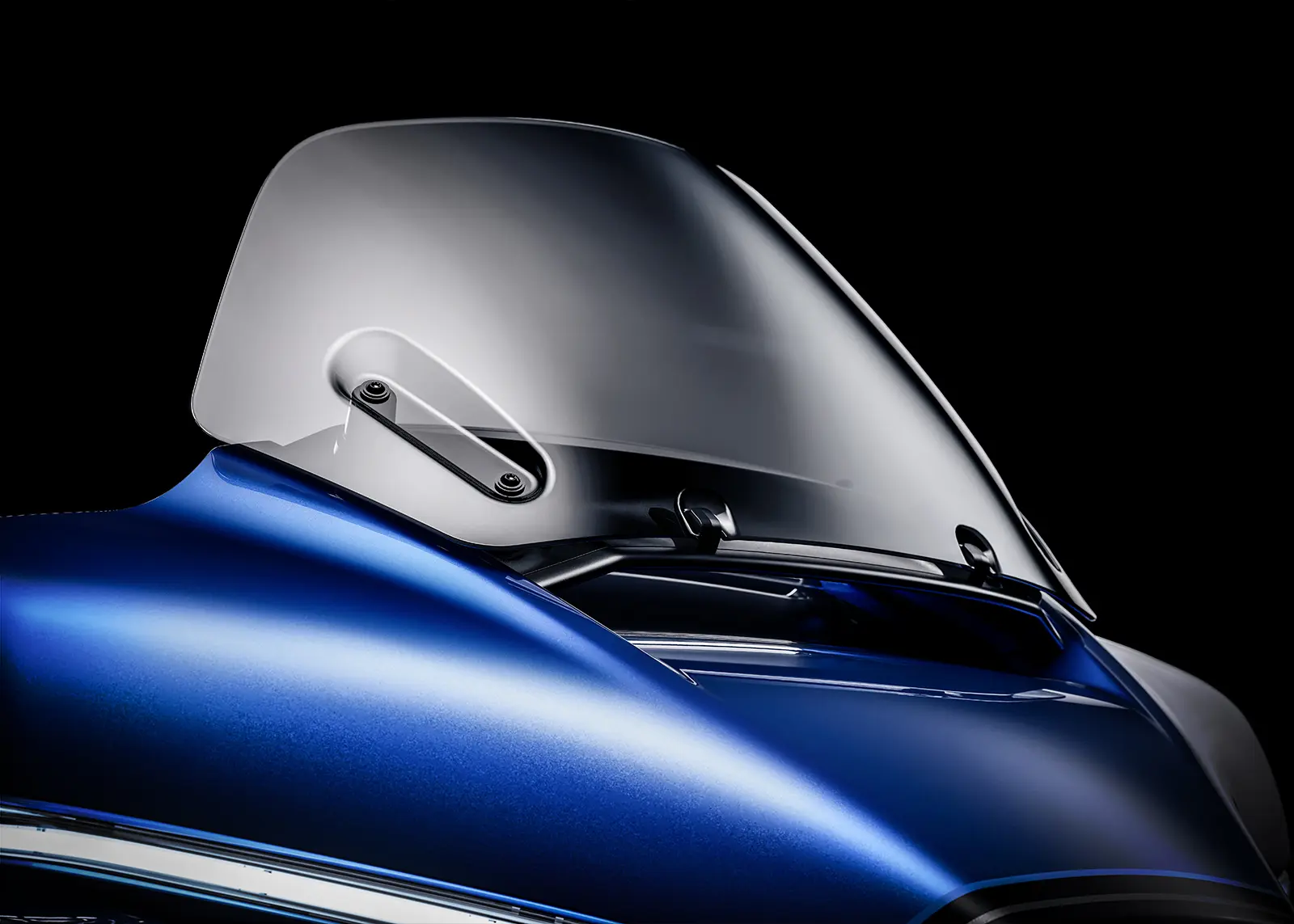
Tall Touring Windshield
The tall windshield cuts through wind chop and sends the air where it belongs: around you, not at you. Less buffeting means longer, smoother miles and a clearer view of whatever’s up ahead.
Milwaukee-Eight VVT 121 Power
The Milwaukee-Eight VVT 121 delivers 86 kW @ 5020 rpm and 183 Nm @ 3,500 rpm, with its Variable Valve Timing technology broadening the powerband for smooth, usable torque throughout the rev range. Variable valve timing optimizes low-end pull, fuel efficiency, and mid-range torque, making it the refined side of Harley-Davidson performance built for long-haul confidence. Think: power meets poise in the purest expression of Grand American performance.
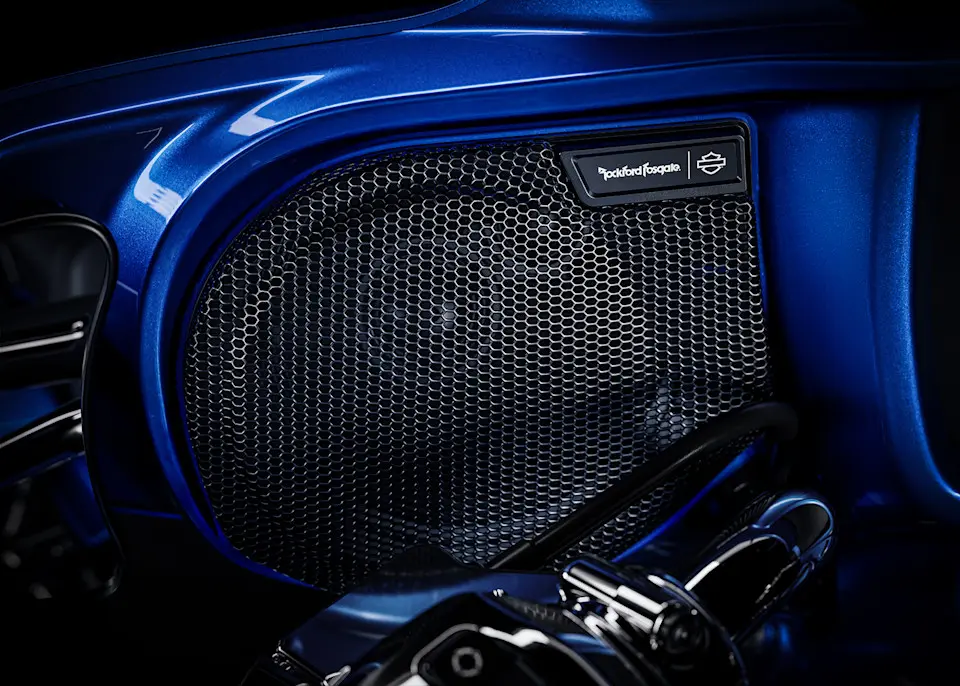
Premium Audio
The new Harley-Davidson audio powered by Rockford Fosgate Stage II system surrounds you with deep bass and studio-grade clarity. With additional amps and speakers integrated into the fairing, Tour-Pak, and lowers, it turns every ride into a private concert built for two.
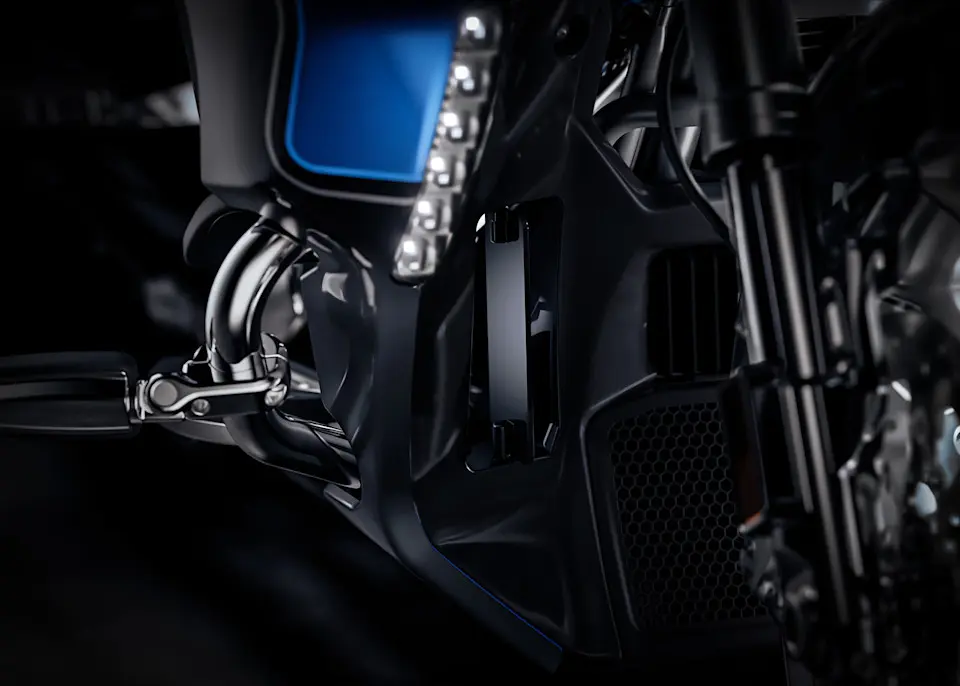
Tuned for Thermal Comfort
Liquid-cooled cylinder heads and redesigned air deflectors work in harmony to manage heat, directing airflow around the rider for all-day comfort in any condition. Long-distance touring should never come with compromise. And now, it doesn’t.
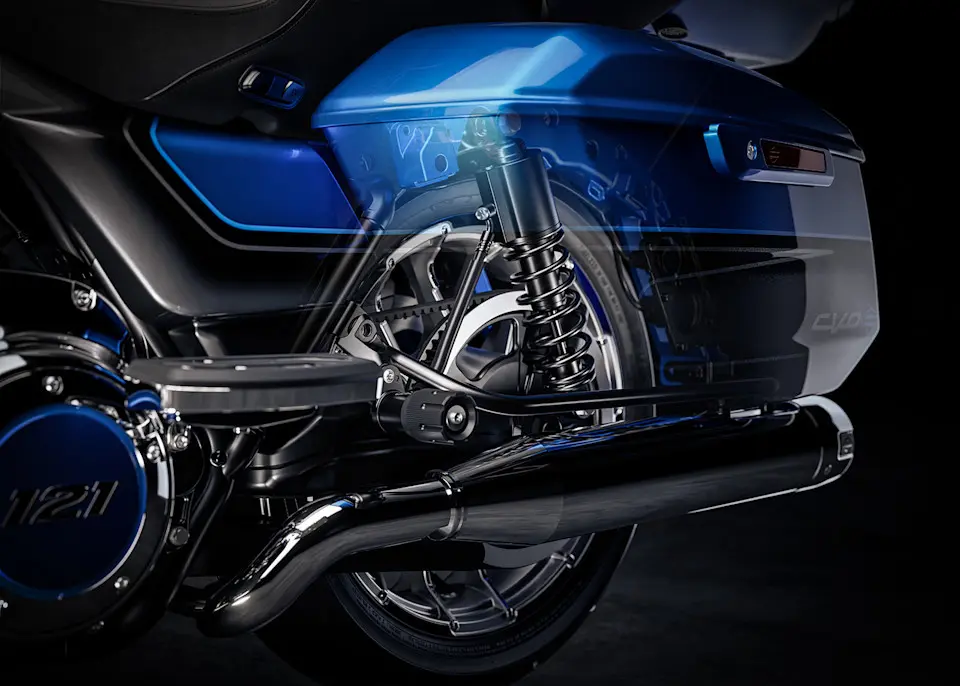
Suspension That Anticipates
Remote preload rear suspension and inverted front forks with radial calipers offer a balanced, intuitive ride. Whether you’re two-up or solo, the bike feels dialed in from the first turn, refined, and unapologetically capable.
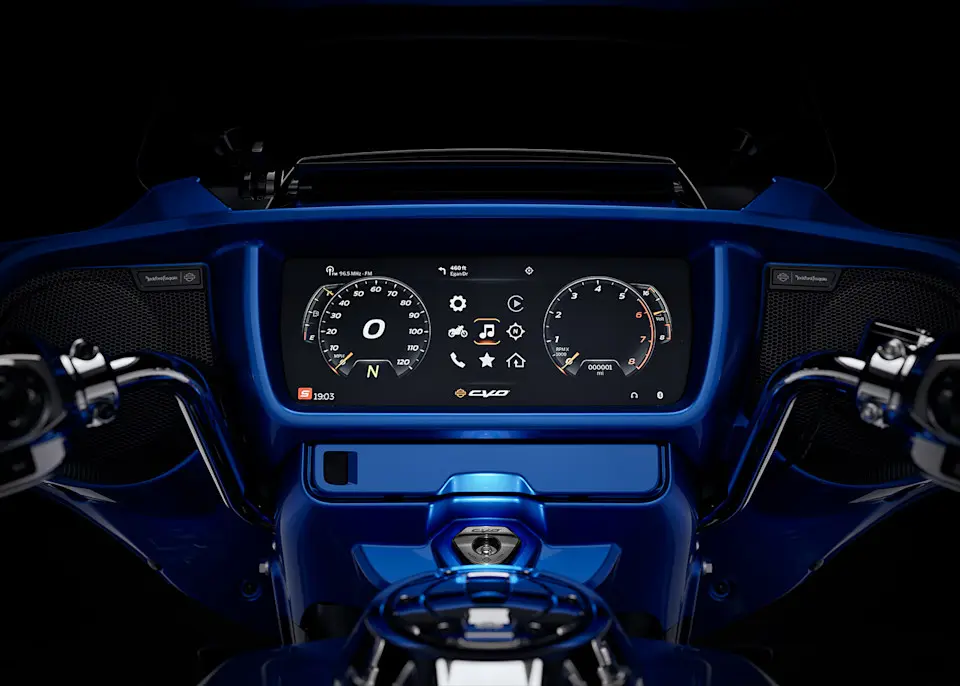
Skyline OS with 312 mm Display
At the center of your cockpit is the fully connected Skyline OS system. With a 312 mm TFT color touchscreen, natural voice recognition, and integrated navigation, it’s a command center built for clarity, not complexity.
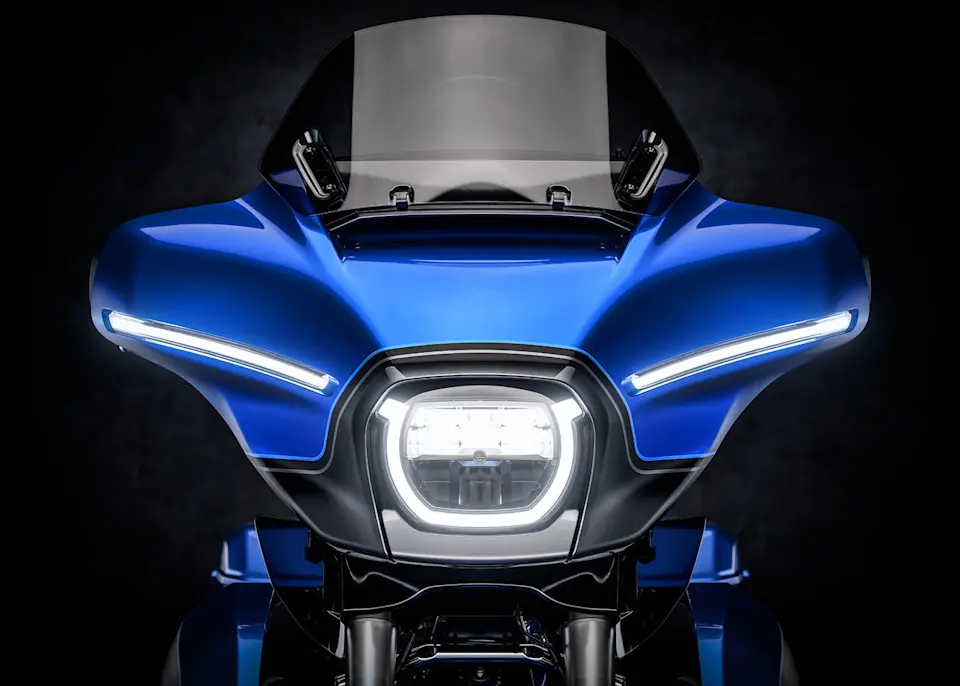
LED Brilliance Front to Back
A new suite of integrated LED lighting, including turn signals, fog lamps, and a sleek center taillight, brightens the road ahead and sharpens your presence from every angle. Visibility, safety, and sophistication all in one glow.
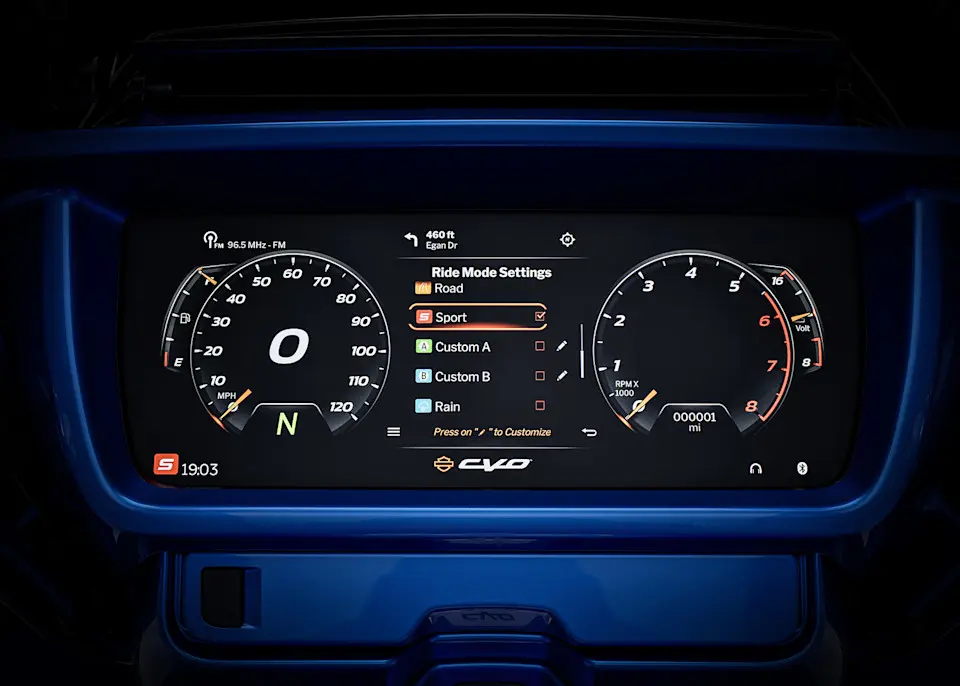
Ride Modes for Every Road
With selectable Ride Modes including Road, Rain, Sport, and two Custom modes, the CVO Street Glide Limited adapts instantly to the journey ahead. Adjust throttle response, power delivery, and traction control to match your pace, your passenger, and your mood.
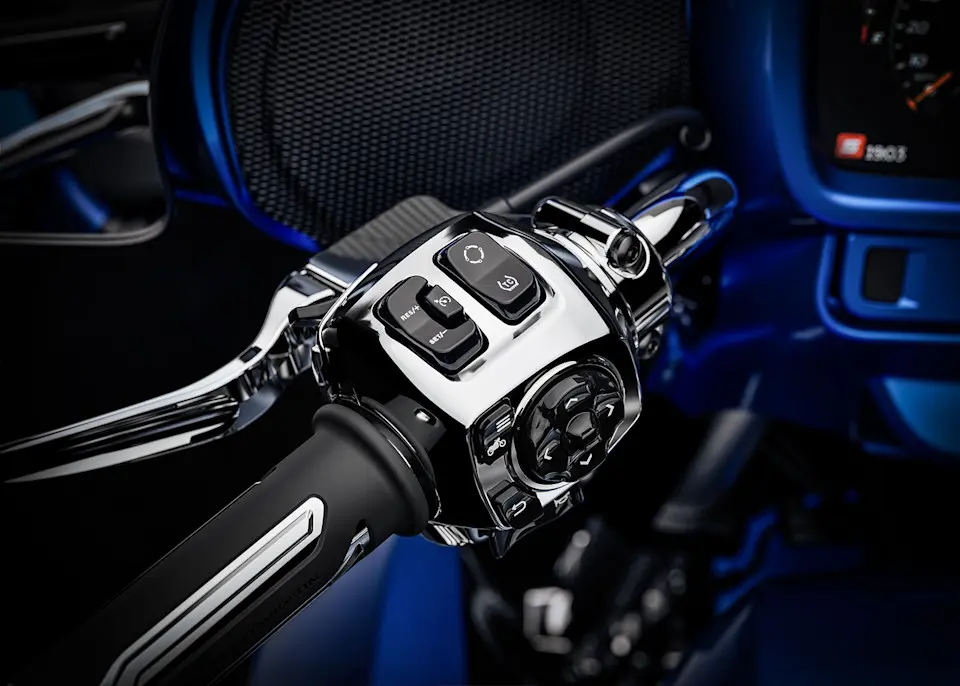
Technology You Can Trust
With Harley-Davidson Rider Safety Enhancements working quietly behind the scenes to hone in on Cornering ABS, traction control, linked braking, and more, the CVO Street Glide Limited turns advanced tech into second nature. You just ride. It’ll handle the rest.
RIDER SAFETY ENHANCEMENTS
Harley-Davidson's Rider Safety Enhancements is all about giving you that extra peace of mind when things get a little unpredictable. It's a set of smart tech that steps in during tricky situations, helping the bike handle traction while you're accelerating, braking, or slowing down. With the Cornering Rider Safety Enhancements, the bike even adjusts for cornering, keeping things smooth and steady without you having to think twice.
ABS is designed to prevent the wheels from locking under braking and helps the rider maintain control when braking in a straight-line, urgent situation.
This feature electronically applies braking effort to both wheels when the rider applies the front brake lever and, on some models when the rider applies the rear brake pedal. ELB can help many riders achieve better braking performance. It boosts braking power when needed while minimizing or stopping the linking for lighter braking or at lower speeds.
The TCS is designed to keep the rear wheel from “spinning out” when the motorcycle is accelerating in a straight line and enhances rider confidence.
DSCS is designed to reduce excessive rear-wheel slip and help prevent rear-wheel lock under powertrain-induced deceleration, which typically occurs when the rider makes an abrupt downshift gear change or quickly reduces the throttle while on wet or slippery road surfaces.
With Vehicle Hold Control (VHC), your bike’s not rolling anywhere until you’re ready to go. Perfect for hill starts or ramps, VHC keeps the brakes locked after you let go, giving you a smooth, confident launch. Just give the brake lever or pedal a quick squeeze at a stop, and VHC has you covered until you’re ready to roll. Heads up: this isn’t a parking brake replacement, but it sure makes those uphill take-offs a breeze.
TPMS alerts the rider through the information display to low or high tire air pressure. Maintaining proper tire air pressure is important both for vehicle performance and tire life.
C-ABS is a variant of ABS that takes into consideration the lean angle of a two-wheel motorcycle, or the lateral acceleration of a Trike model. The brake pressure required to limit wheel slip when cornering is typically or lower than the pressure required under straight line operation.
C-ELB takes into account the motorcycle lean angle or Trike lateral acceleration. C-ELB will alter the proportioning of brake pressure between the front and rear brakes when braking while cornering in an attempt to improve the ability of the bike to maintain the rider's intended path.
C-TCS is designed to prevent the rear wheel from excessive spinning under acceleration when going straight or cornering.
On bikes equipped with C-DSCS, the system helps keep the rear wheel from slipping or locking up when you quickly downshift or let off the throttle, especially on wet or slippery roads. When turning, it can adjust based on how much a two-wheel bike is leaning or the side-to-side motion on a Trike.