- MODEL RANGE
- NEW BIKES
- USED BIKES
- MENS
- WOMENS
- KIDS
- PARTS
- ACCESSORIES
- CLEARANCE
- FINANCE
- SERVICE
- OFFERS
- MODEL RANGE
- NEW BIKES
- USED BIKES
- MENS
- WOMENS
- KIDS
- PARTS
- ACCESSORIES
- CLEARANCE
- FINANCE
- SERVICE
- OFFERS

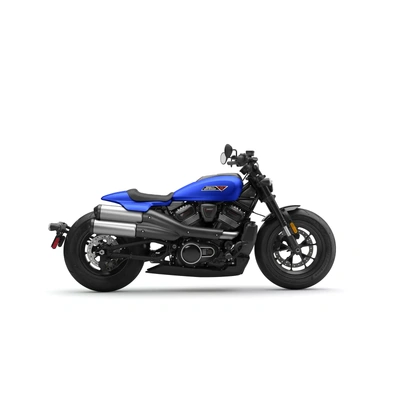
The 2026 Sportster S is what happens when you take a legend, strip it to muscle and intent, and tune it to go harder, lean sharper, and keep pulling long after you should have called it a day.
At a Glance
With 121 HP from the liquid-cooled Revolution Max™ 1250T motor, a wide front tire, 2-1-2 scrambler-style exhaust, and suspension tuned to optimize performance and rider comfort, the 2026 Sportster S reimagines classic styling with sharp, modern intent. Inspired by the iconic Sportster Forty-Eight, it channels Harley-Davidson heritage into a bike built to go harder, handle sharper, and look better doing it.
121 HP
90 KW @ 7500 RPM
Horsepower
765 mm
Seat Height, Unladen
125 Nm
Engine Torque
228 Kg
Weight, In Running Order
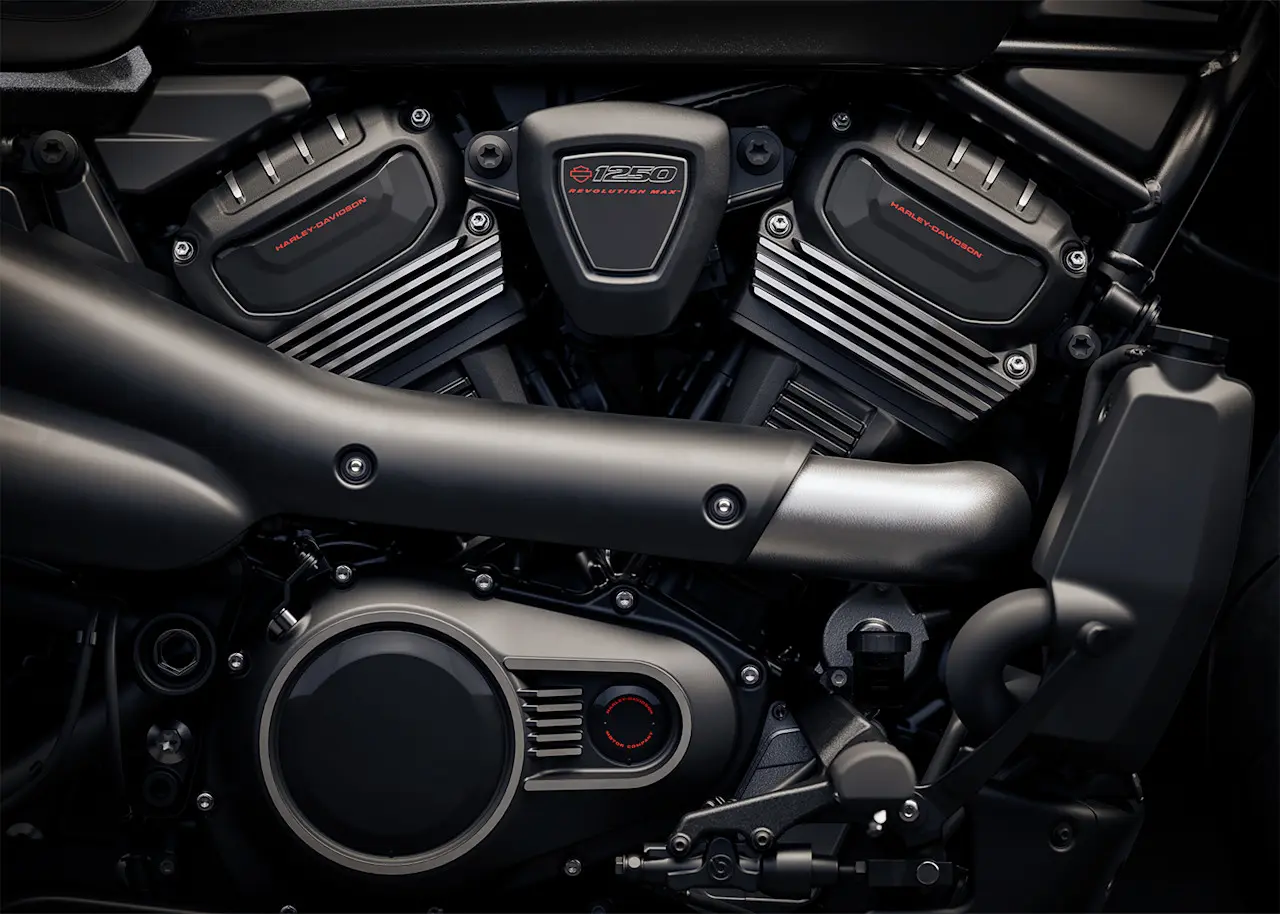
The liquid-cooled 1250T puts out 121 horsepower with torque on tap, ready the moment you roll on.
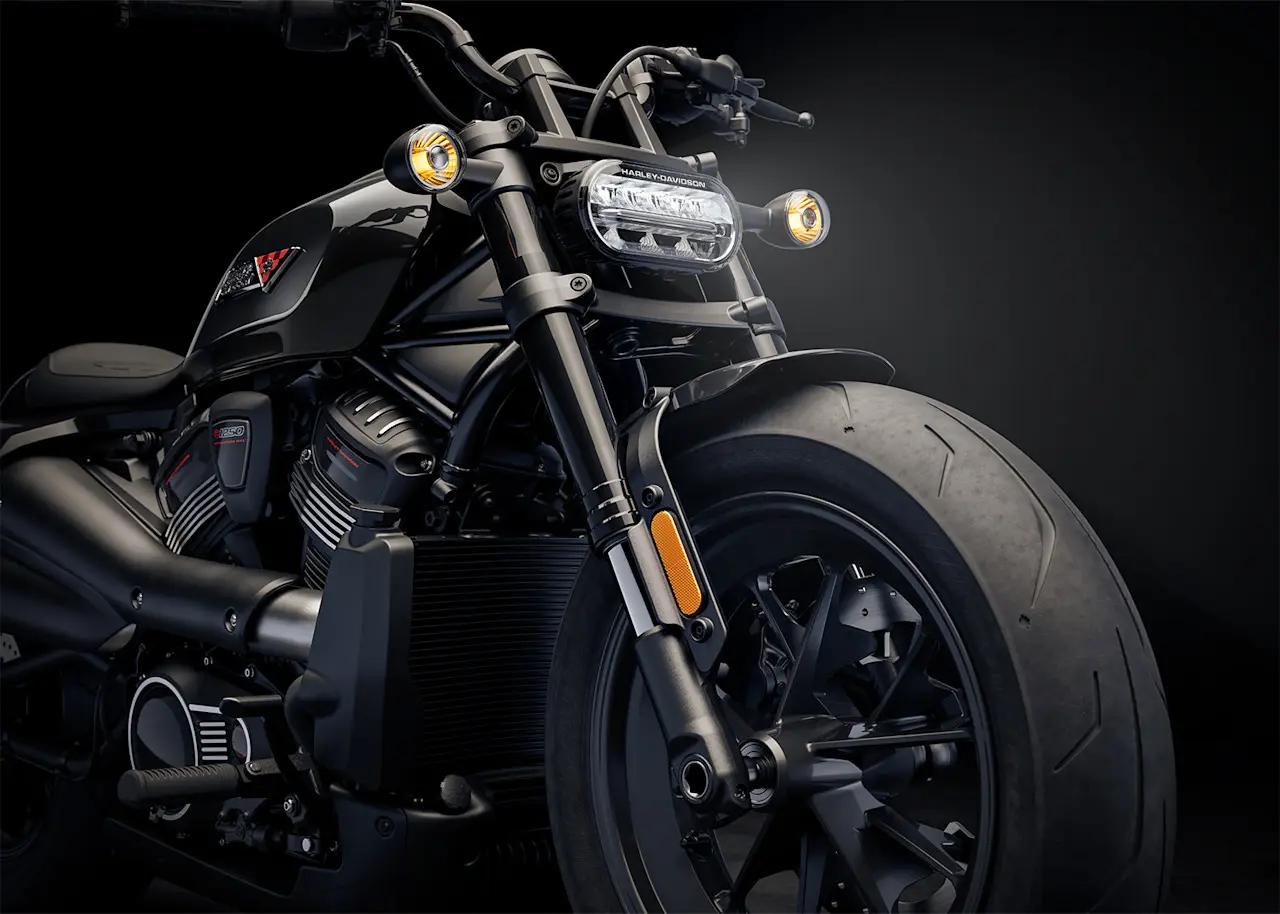
Re-tuned front forks work with the upgraded rear suspension to keep the Sportster S razor-sharp in the corners and steady everywhere else.
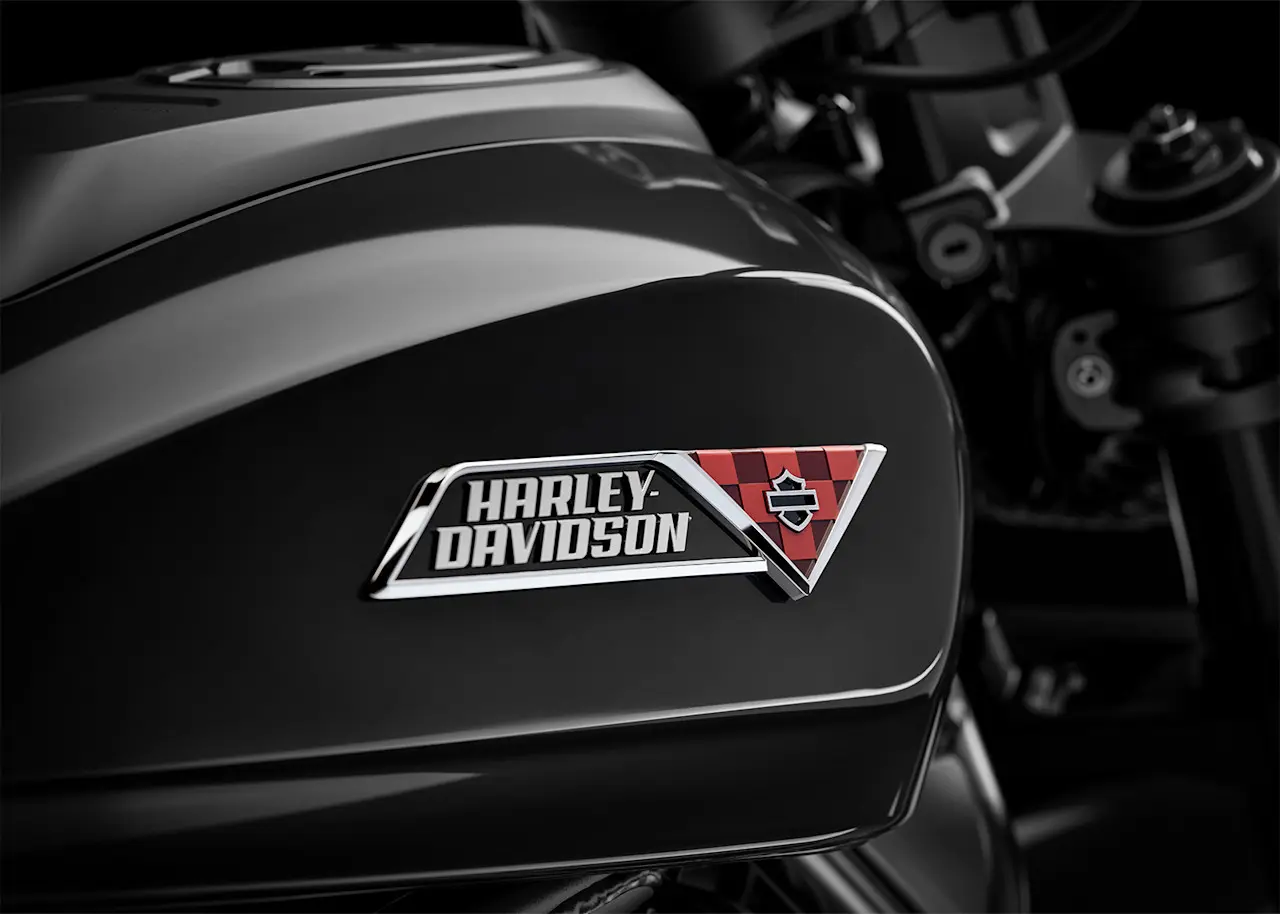
The tank medallion wears the Sportster’s history proudly, etched into a design tuned for speed, precision, and purpose built into every line.
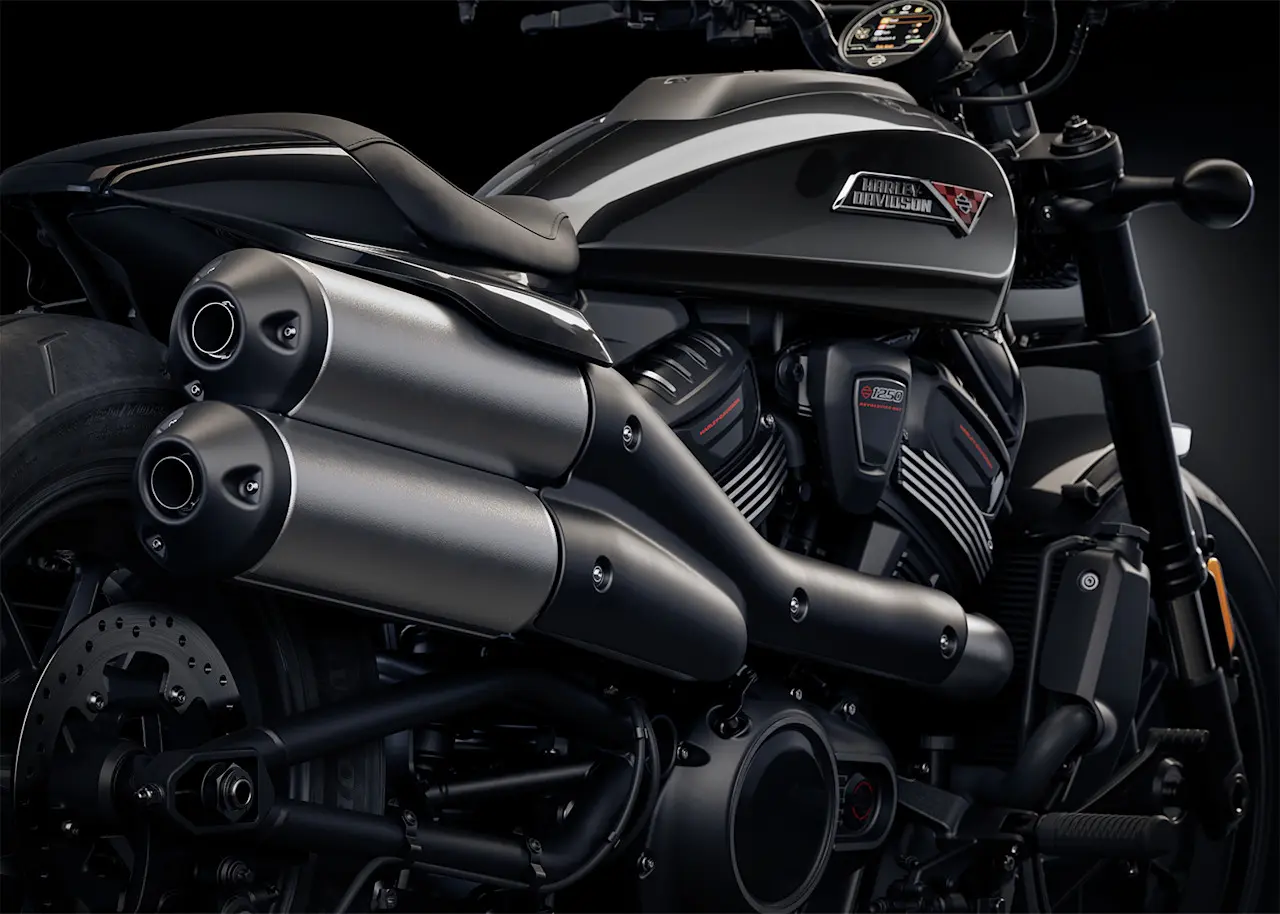
Inspired by flat-track racers, the high-mount 2-1-2 exhaust tucks in tight for aggressive cornering, and fires off a deep, commanding note built for the paddock, not the parkway.
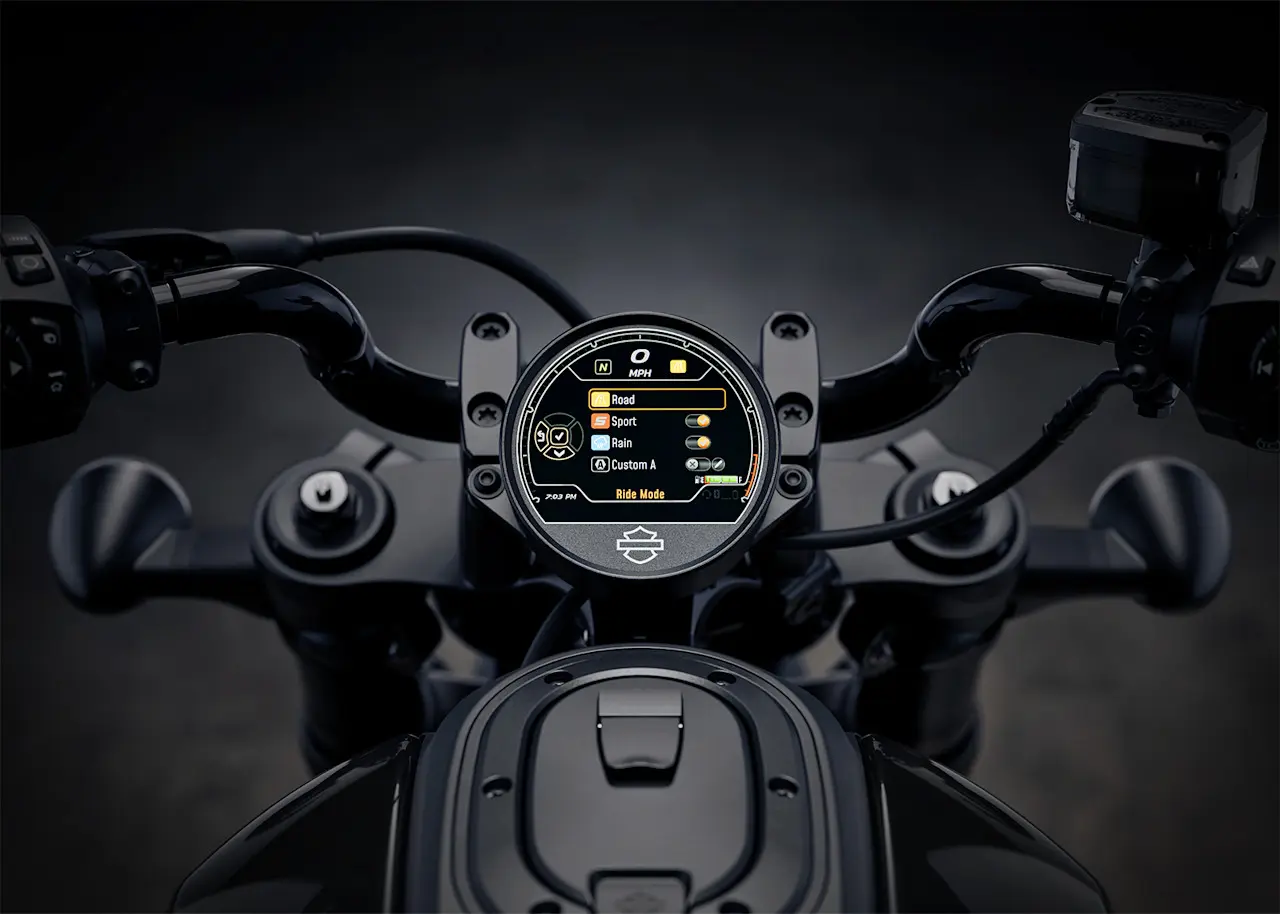
The round 102 mm TFT serves up maps, audio, and bike data in one clean view, ready the second you glance down and gone the second you look back up.
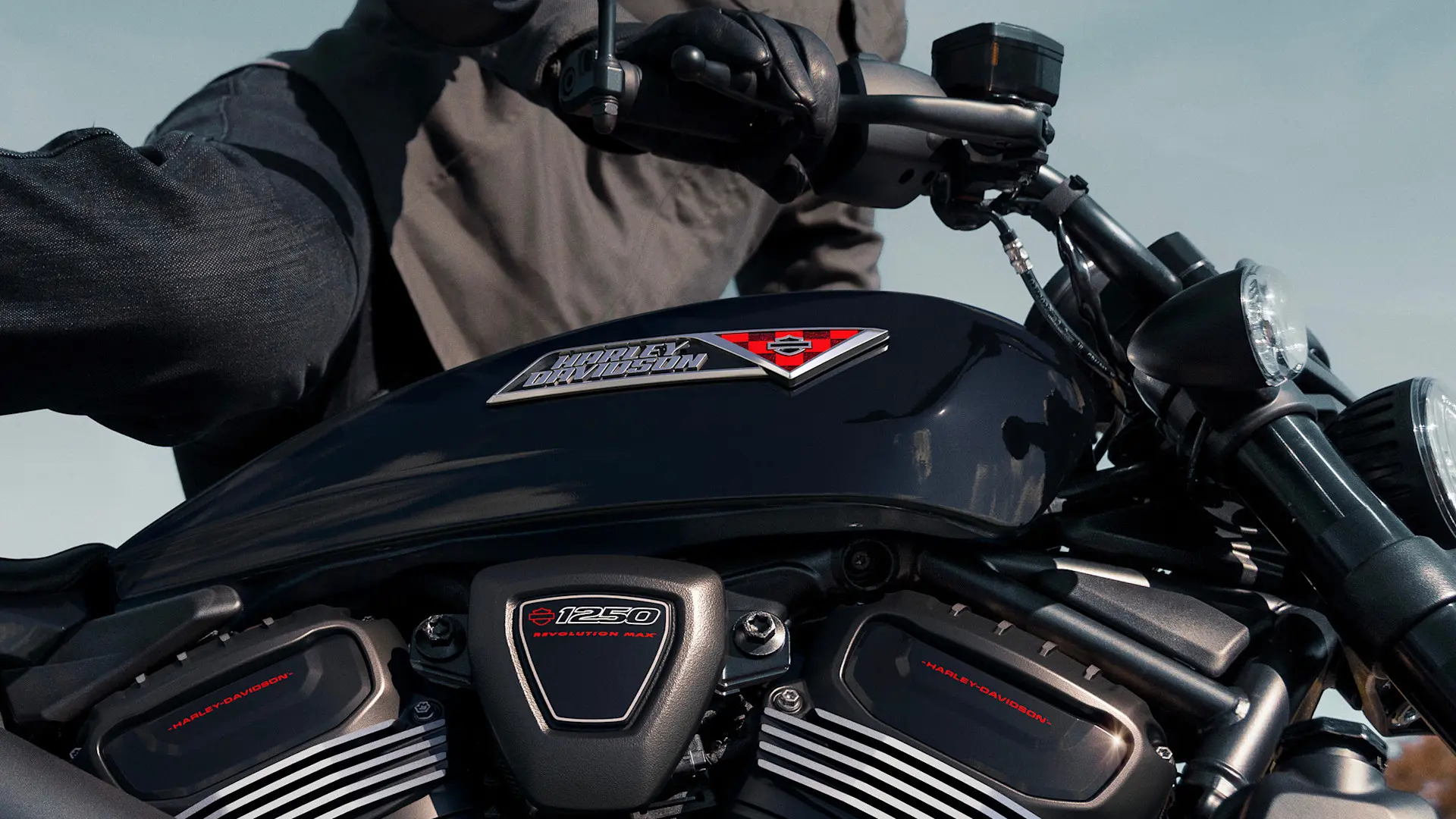
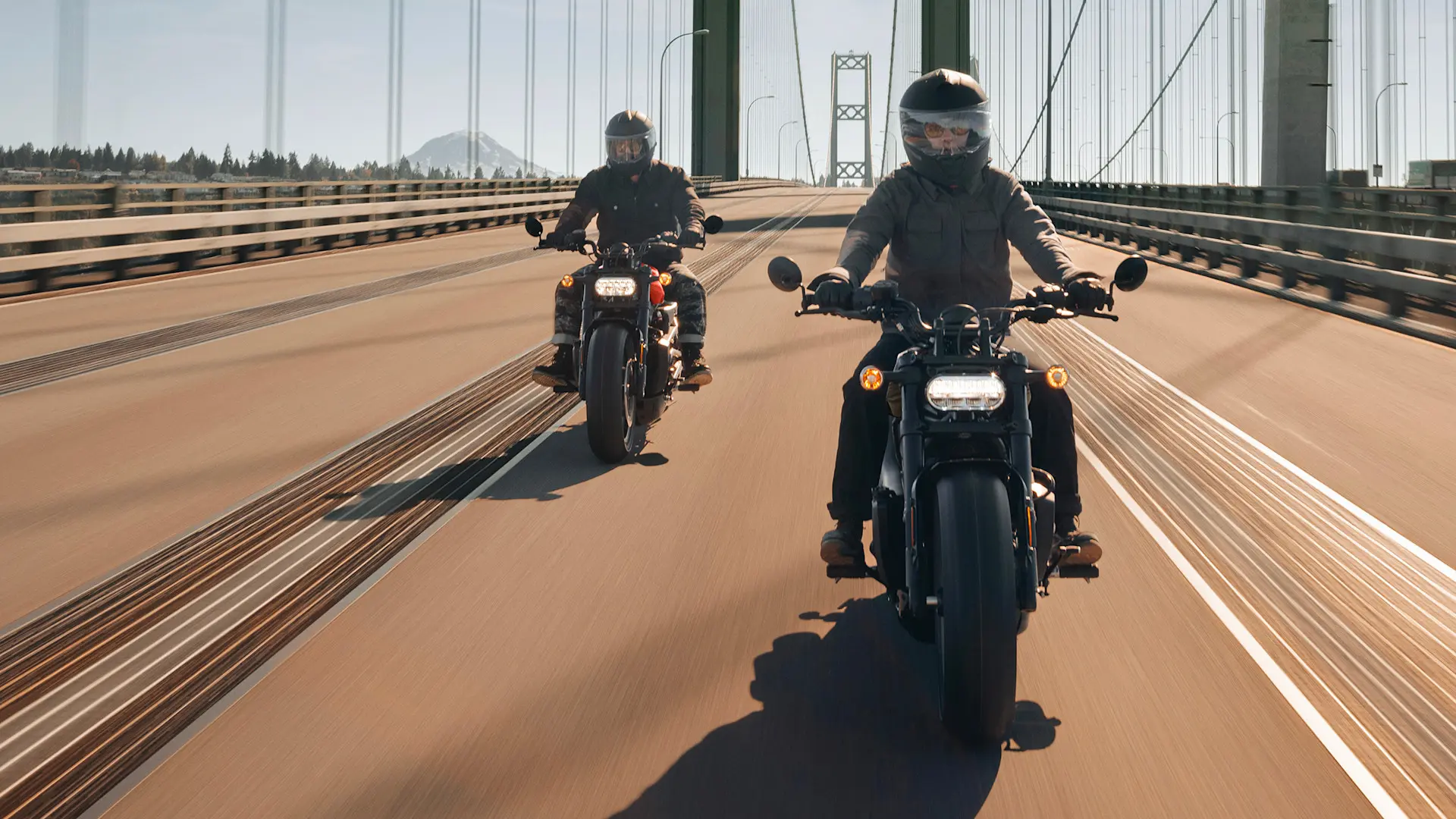
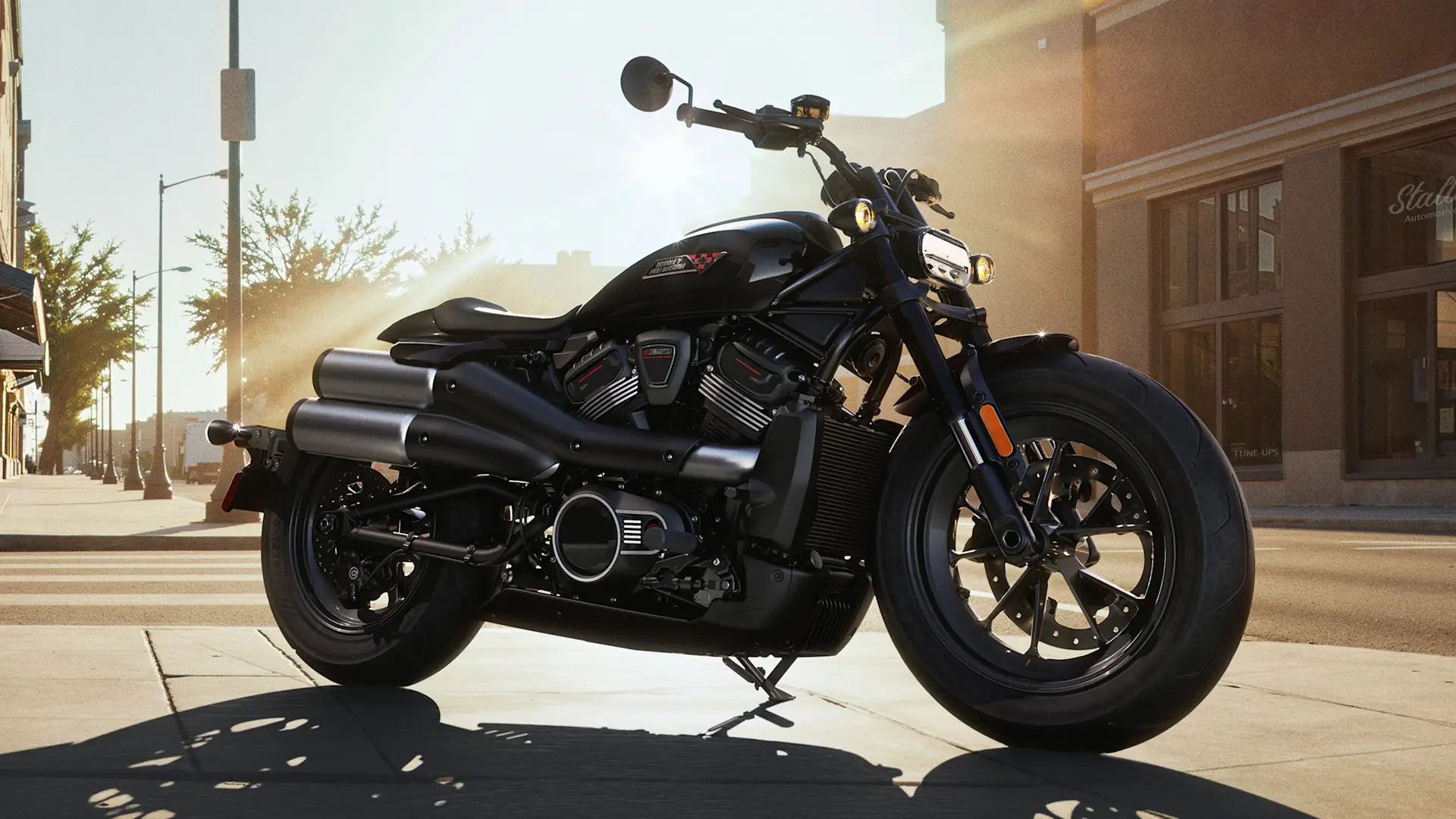
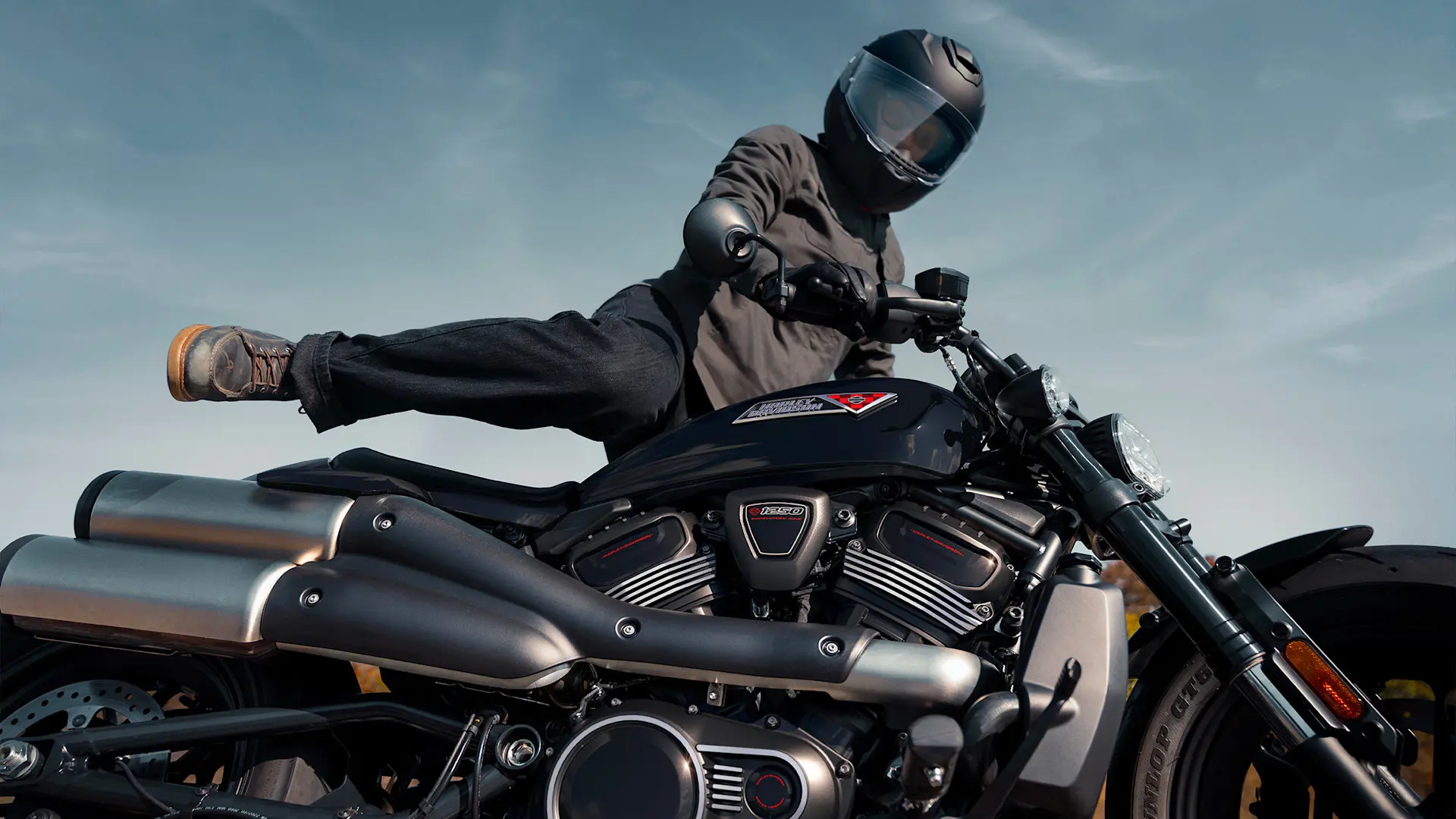
Explore the 2026 Sportster S
With a Revolution Max 1250T motor, premium suspension, and a high-mount exhaust that howls, the 2026 Sportster S trades restraint for raw output. A fat front tire, blacked-out finishes, and TFT display round out a look that punches first, and tech that keeps it planted when you rip it.
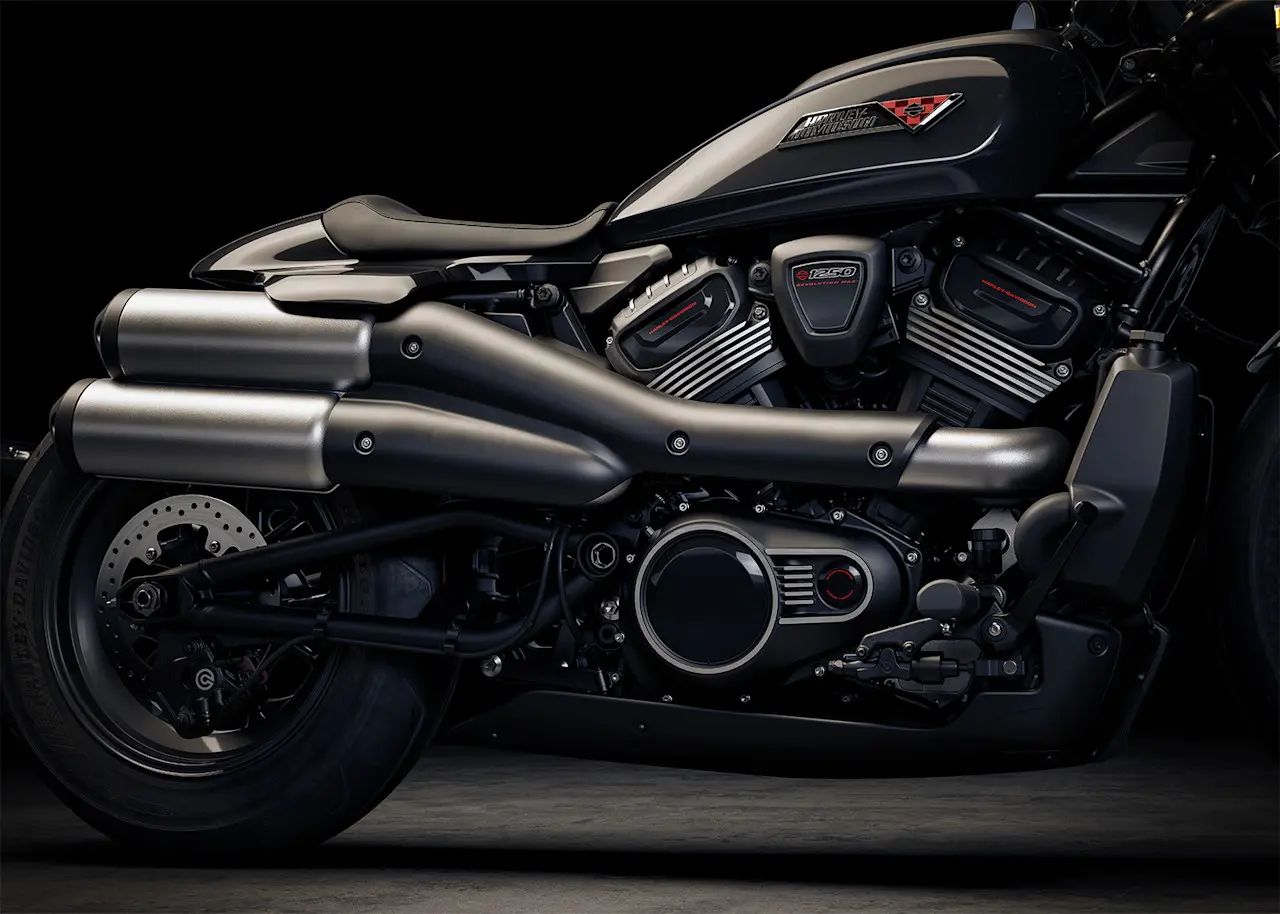
New highlighted cooling fins and blacked-out finishes sharpen the look while keeping true to the lines of one of Harley-Davidson’s most beloved classic V-Twins.
The tank medallion wears the Sportster’s history proudly, etched into a design tuned for speed, precision, and purpose built into every line.
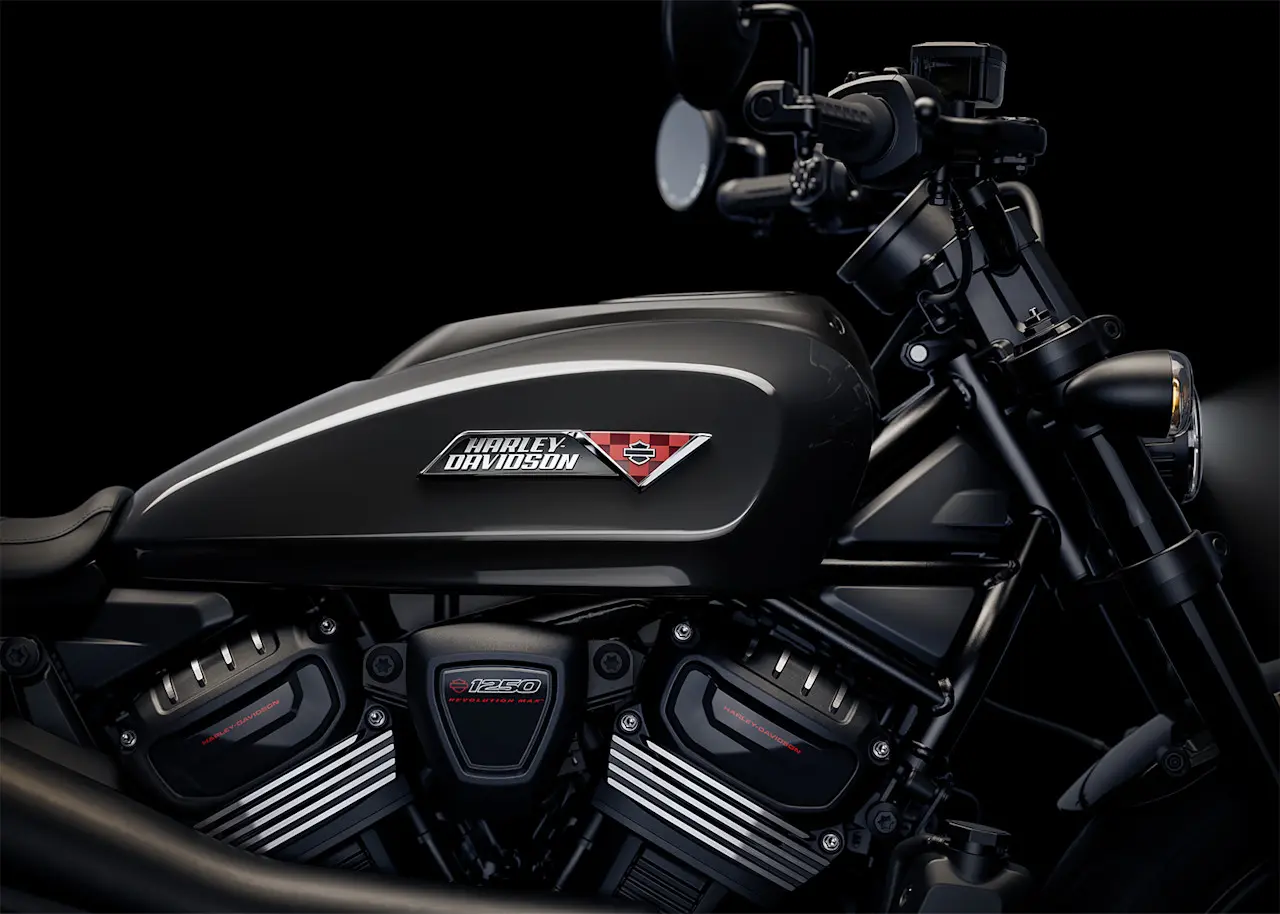
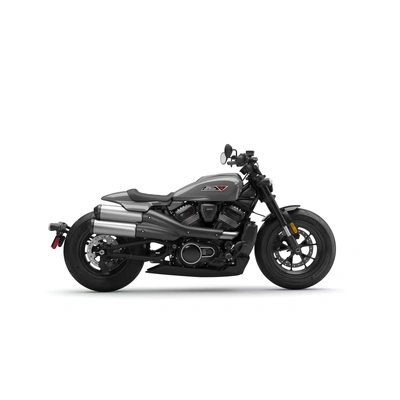
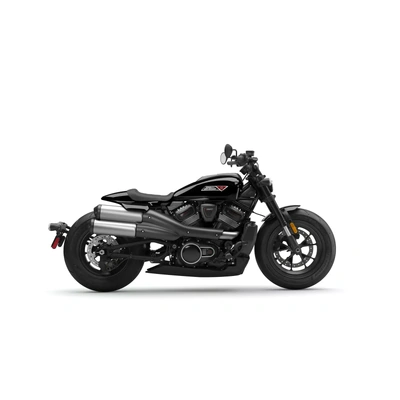
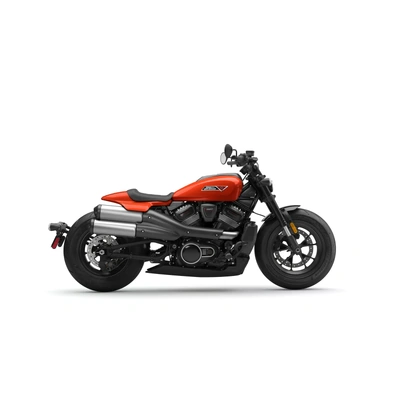
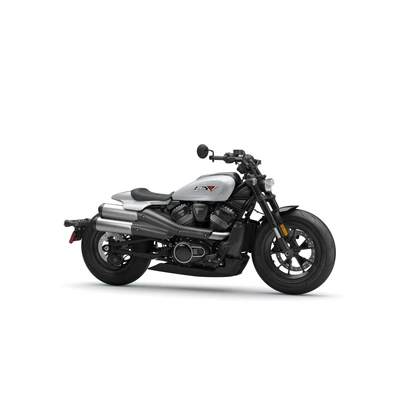
Premium paint colorways include White Onyx Pearl, Dark Billiard Gray, Vivid Black, Blood Orange and Aurora Blue Denim. It’s the kind of paint you won’t want to spill gas on, that’s for sure.
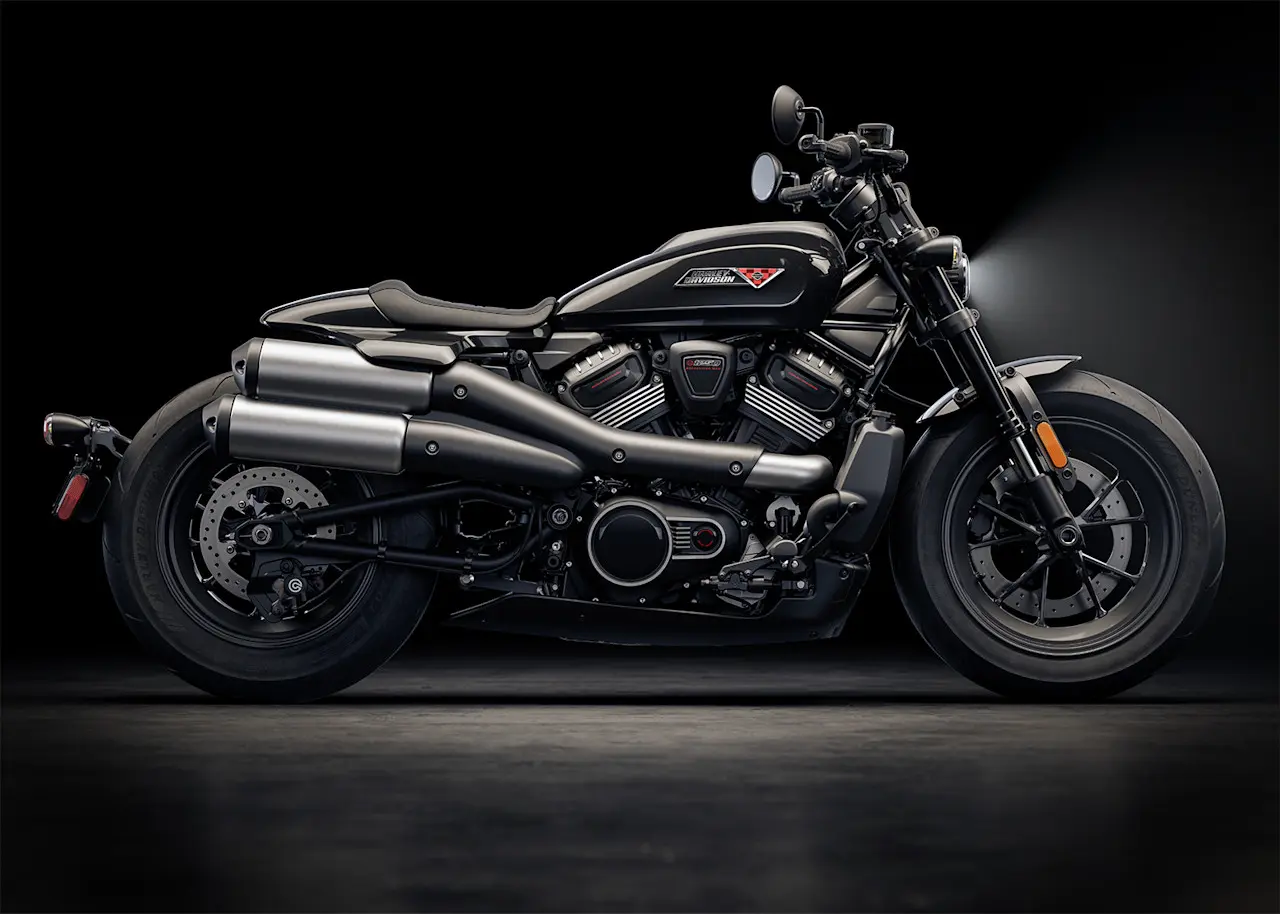
From its classic race-inspired tail to wheels that nod to the Forty-Eight model, the Sportster S carries its heritage like a badge of honor and backs it up with a stance built for the kind of riding that makes history all over again.
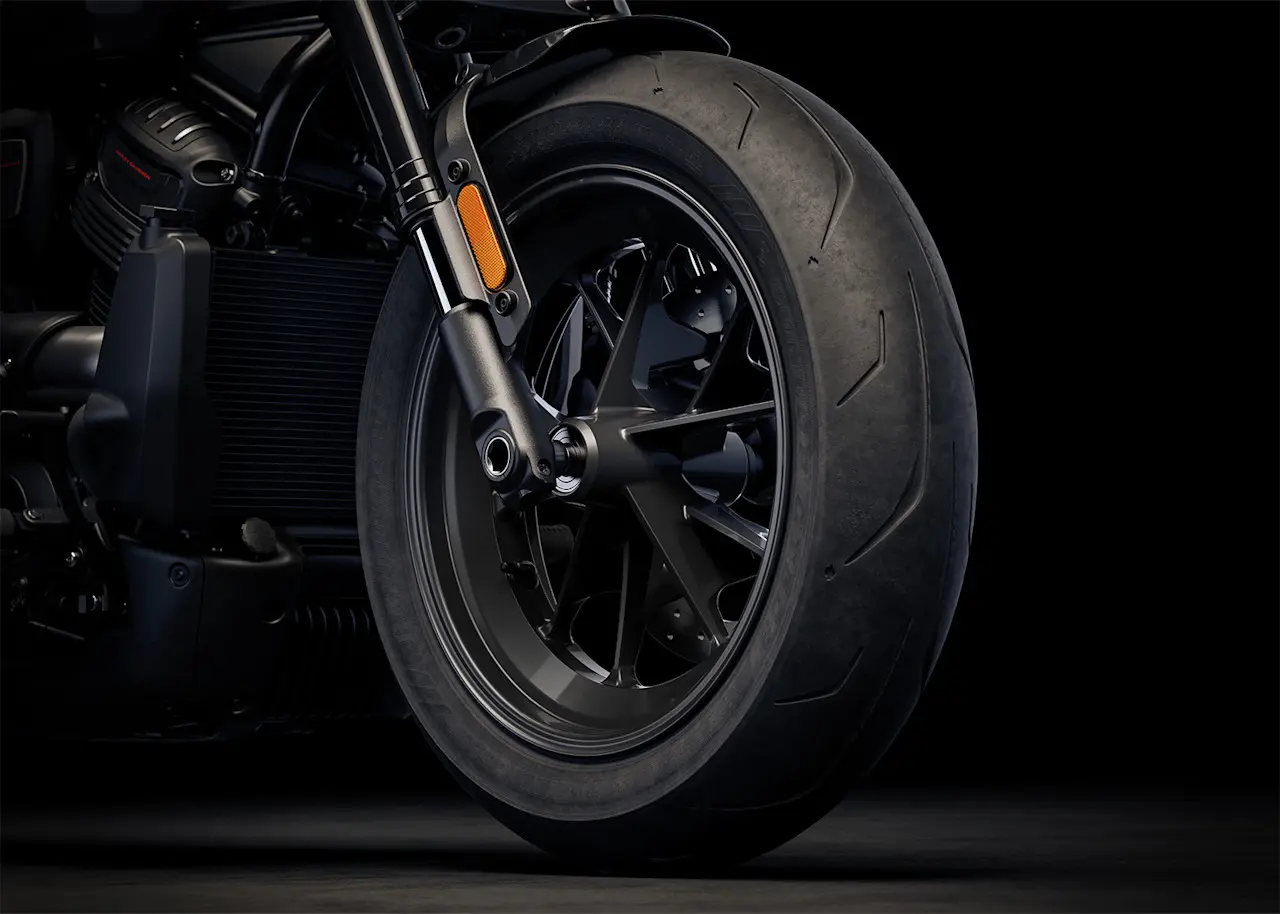
The wide front tire gives the Sportster S its aggressive stance and plants more rubber on the road for extra grip whether you’re carving through traffic or setting the tone on the highway.
The liquid-cooled 1250T puts out 121 horsepower with torque on tap, ready the moment you roll on.
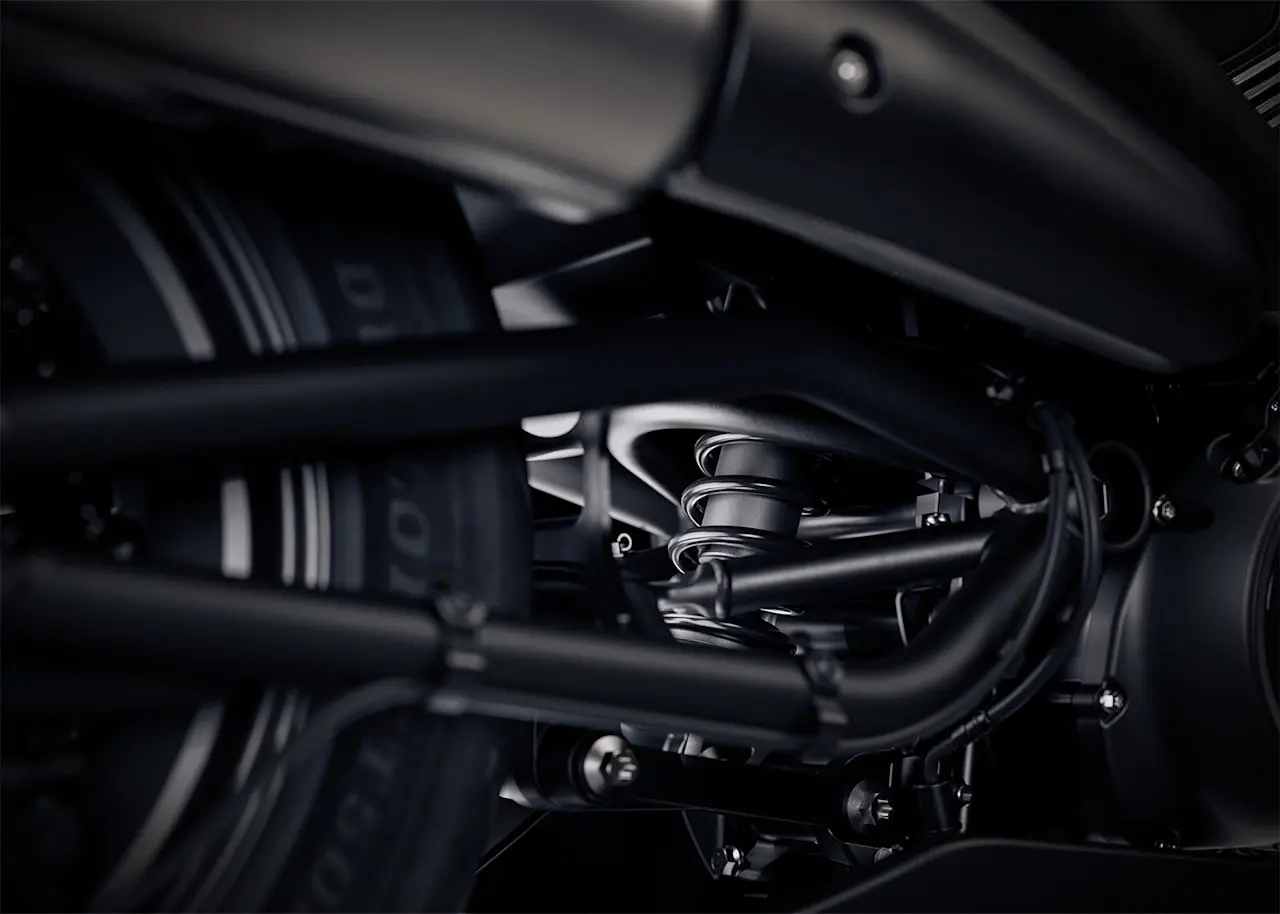
With 88.9 mm of travel out back, the Sportster S shrugs off rough streets and stays planted where and when you need it, giving you more comfort when you’re cruising and when you’re charging.
Re-tuned front forks work with the upgraded rear suspension to keep the Sportster S razor-sharp in the corners and steady everywhere else.
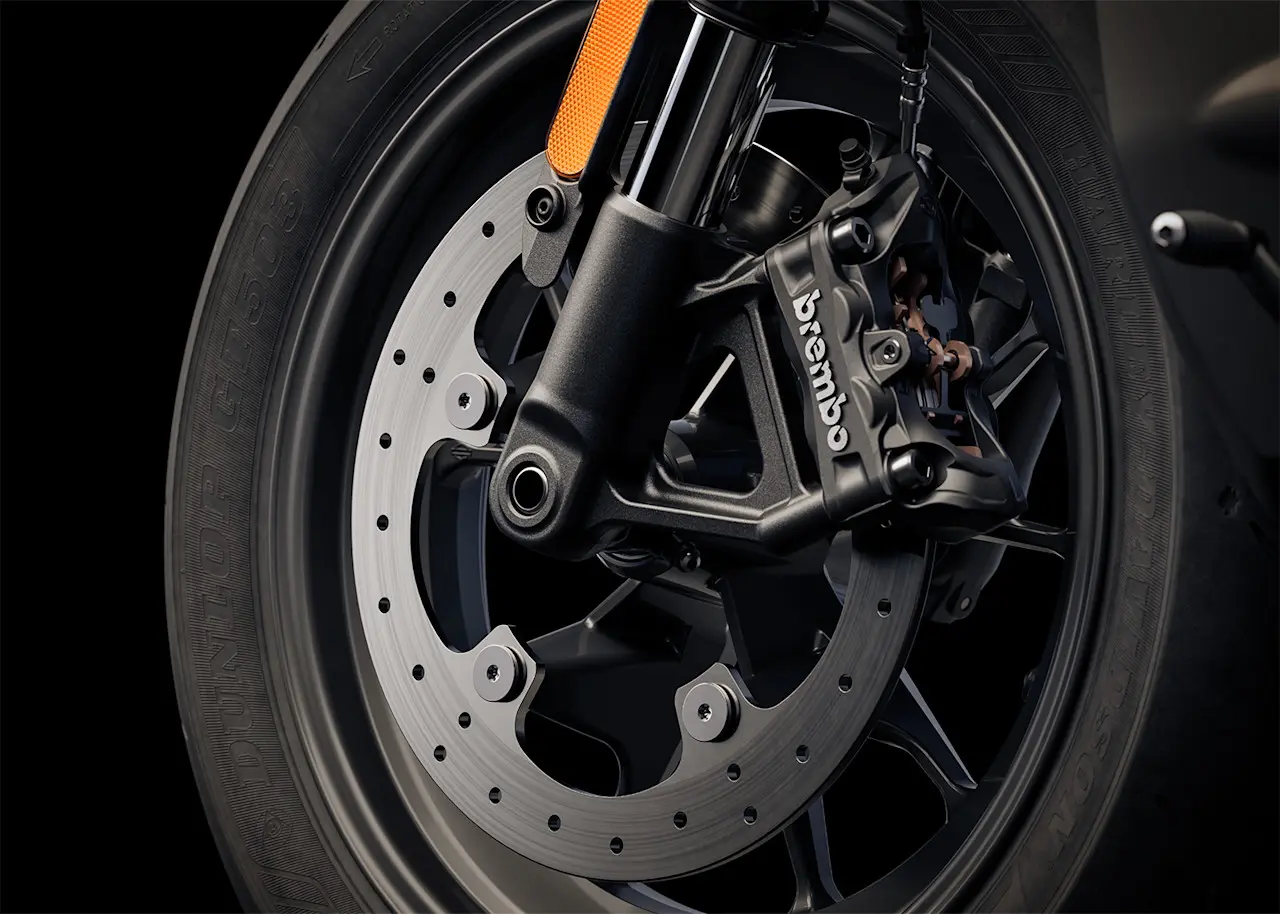
The radial-mount Brembo up front delivers the kind of precise, predictable stopping power you want when you’re pushing harder, braking later, and aiming for the next corner. Its sharp-edged design looks just as aggressive as it feels.
Inspired by flat-track racers, the high-mount 2-1-2 exhaust tucks in tight for aggressive cornering, and fires off a deep, commanding note built for the paddock, not the parkway.
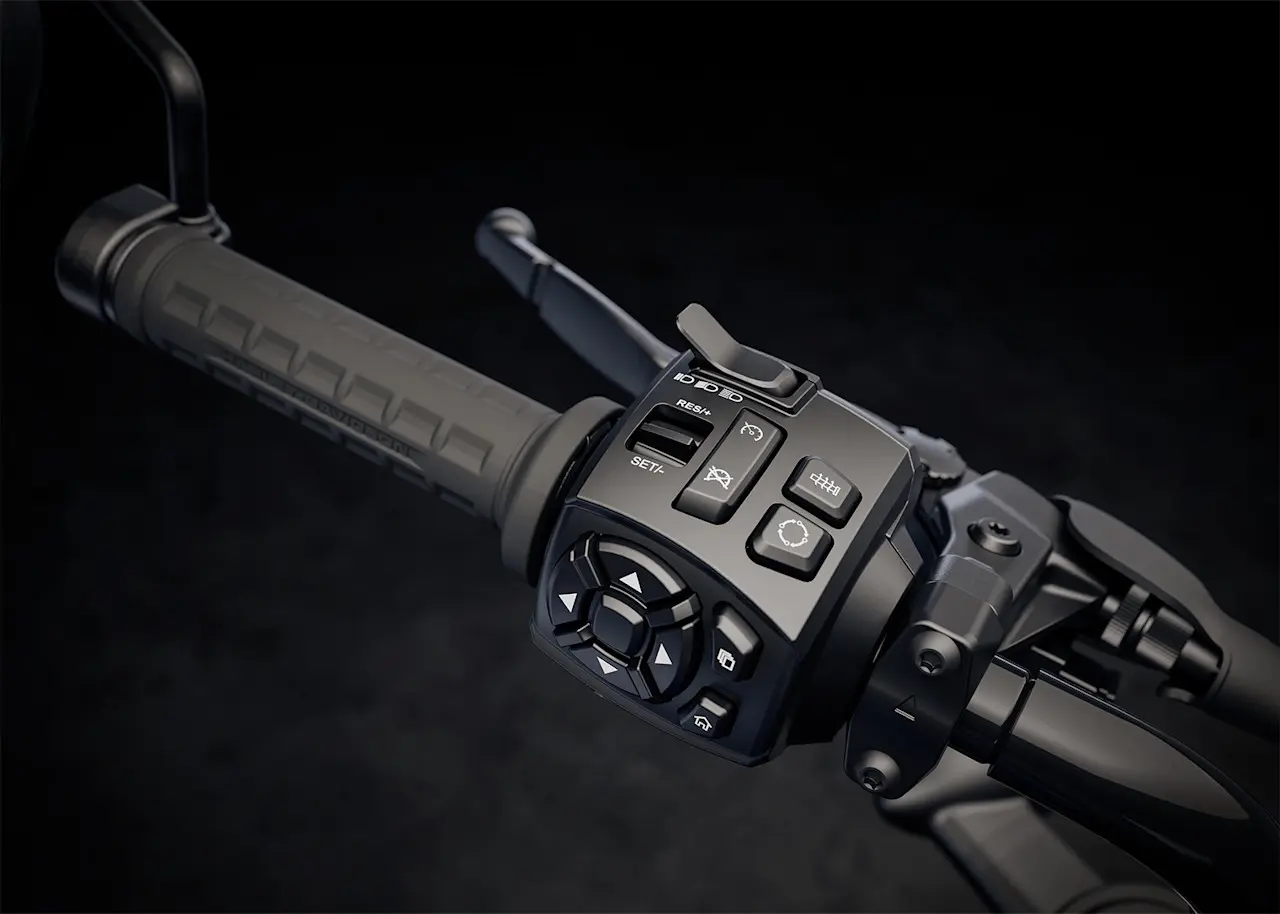
Cornering traction control and ABS keep the rubber hooked when you lean. Ride modes let you flip between Rain, Road, and Sport, or lock in a custom setup that fits your style. Out on the interstate, set cruise control and let the bike carry the miles for you.
The round 102 mm TFT serves up maps, audio, and bike data in one clean view, ready the second you glance down and gone the second you look back up.
Harley-Davidson's Rider Safety Enhancements is all about giving you that extra peace of mind when things get a little unpredictable. It's a set of smart tech that steps in during tricky situations, helping the bike handle traction while you're accelerating, braking, or slowing down. With the Cornering Rider Safety Enhancements, the bike even adjusts for cornering, keeping things smooth and steady without you having to think twice.
ABS is designed to prevent the wheels from locking under braking and helps the rider maintain control when braking in a straight-line, urgent situation.
The TCS is designed to keep the rear wheel from “spinning out” when the motorcycle is accelerating in a straight line and enhances rider confidence.
DSCS is designed to reduce excessive rear-wheel slip and help prevent rear-wheel lock under powertrain-induced deceleration, which typically occurs when the rider makes an abrupt downshift gear change or quickly reduces the throttle while on wet or slippery road surfaces.
TPMS alerts the rider through the information display to low or high tire air pressure. Maintaining proper tire air pressure is important both for vehicle performance and tire life.
A system that helps keep both wheels grounded during intense riding. It has two functions: front wheel lift mitigation manages torque to prevent the front wheel from lifting during acceleration, while rear wheel lift mitigation controls brake pressure to keep the rear wheel down during hard braking, helping to ensure a stable and controlled ride.
C-ABS is a variant of ABS that takes into consideration the lean angle of a two-wheel motorcycle, or the lateral acceleration of a Trike model. The brake pressure required to limit wheel slip when cornering is typically or lower than the pressure required under straight line operation.
C-TCS is designed to prevent the rear wheel from excessive spinning under acceleration when going straight or cornering.
On bikes equipped with C-DSCS, the system helps keep the rear wheel from slipping or locking up when you quickly downshift or let off the throttle, especially on wet or slippery roads. When turning, it can adjust based on how much a two-wheel bike is leaning or the side-to-side motion on a Trike.
Does the same job as regular wheel lift control but with a bit more finesse. It taps into the bike’s Inertial Measurement Unit (IMU) to fine-tune its control. That means more precise control when you need it most.