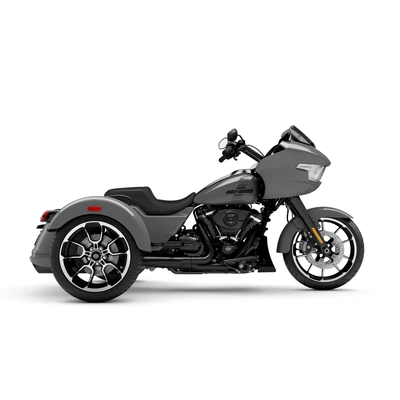
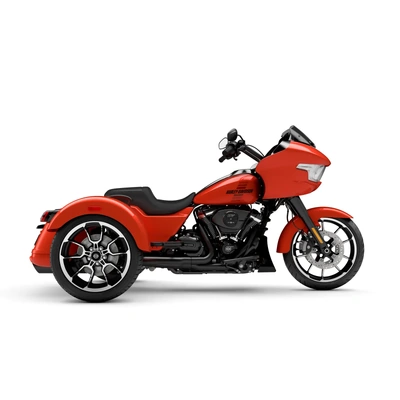
Road Glide™ 3
Every inch of the 2026 Harley-Davidson Road Glide 3 has been re-engineered for more muscle, more performance and more connection to the road than you ever thought possible — even with an extra wheel.
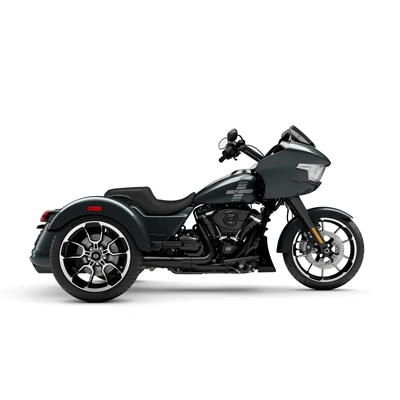
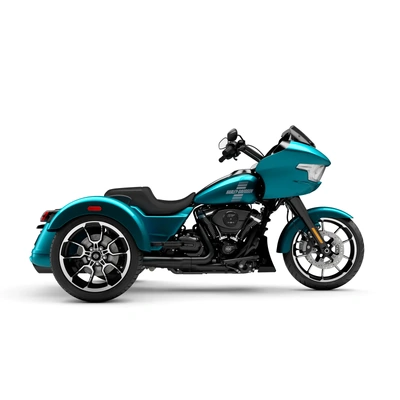
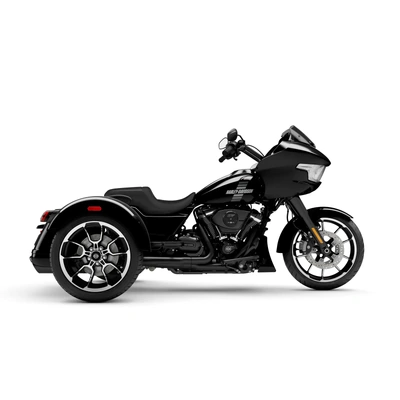
At a Glance
A Brand New Trike With Hot Rod Soul.
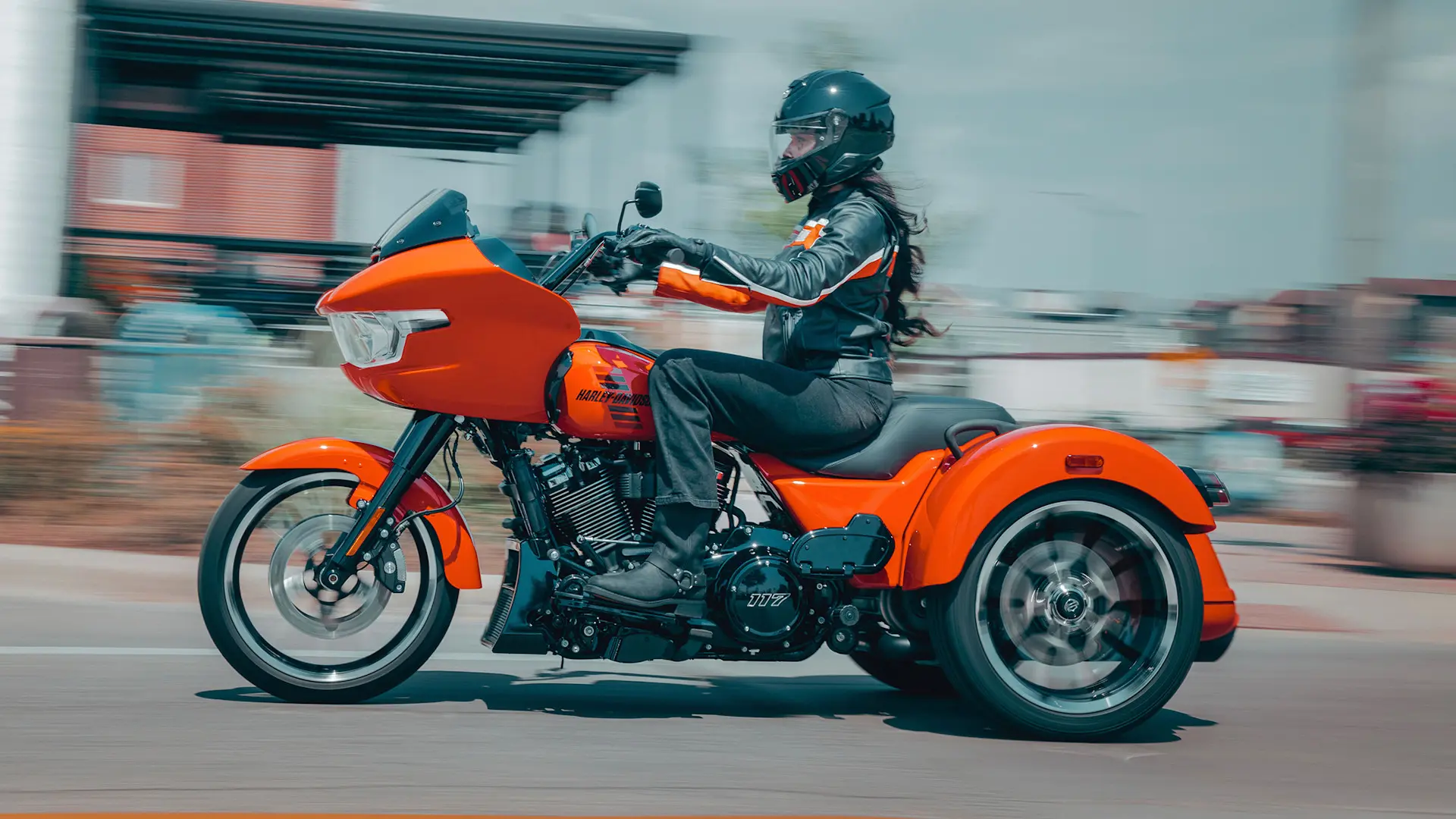
The new 2026 Harley-Davidson Road Glide 3 rewrites what a trike can be. It's leaner, it's meaner, and it's built for all get out. A redesigned Sharknose fairing cuts a sharper profile over a planted, aggressive stance. A Milwaukee-Eight™ VVT 117 motor is at the center of its hot-rod heart, and its brand new, completely redesigned rear suspension does two things: grip and go. The 312 mm TFT with Skyline™ OS, along with LED lighting, Rider Safety Enhancements, and four selectable ride modes keep this one ready for street and strip.
105 HP
Horsepower
0.06 M3
Luggage Capacity - Volume
170 Nm
Engine Torque
6.9 L/100 Km
Fuel Economy
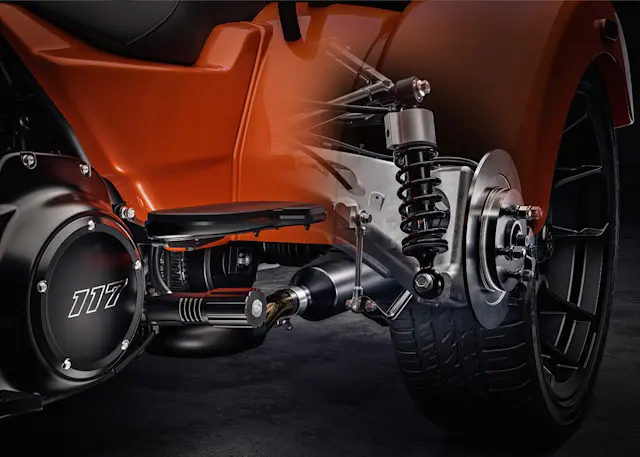
Completely Redesigned Rear Suspension
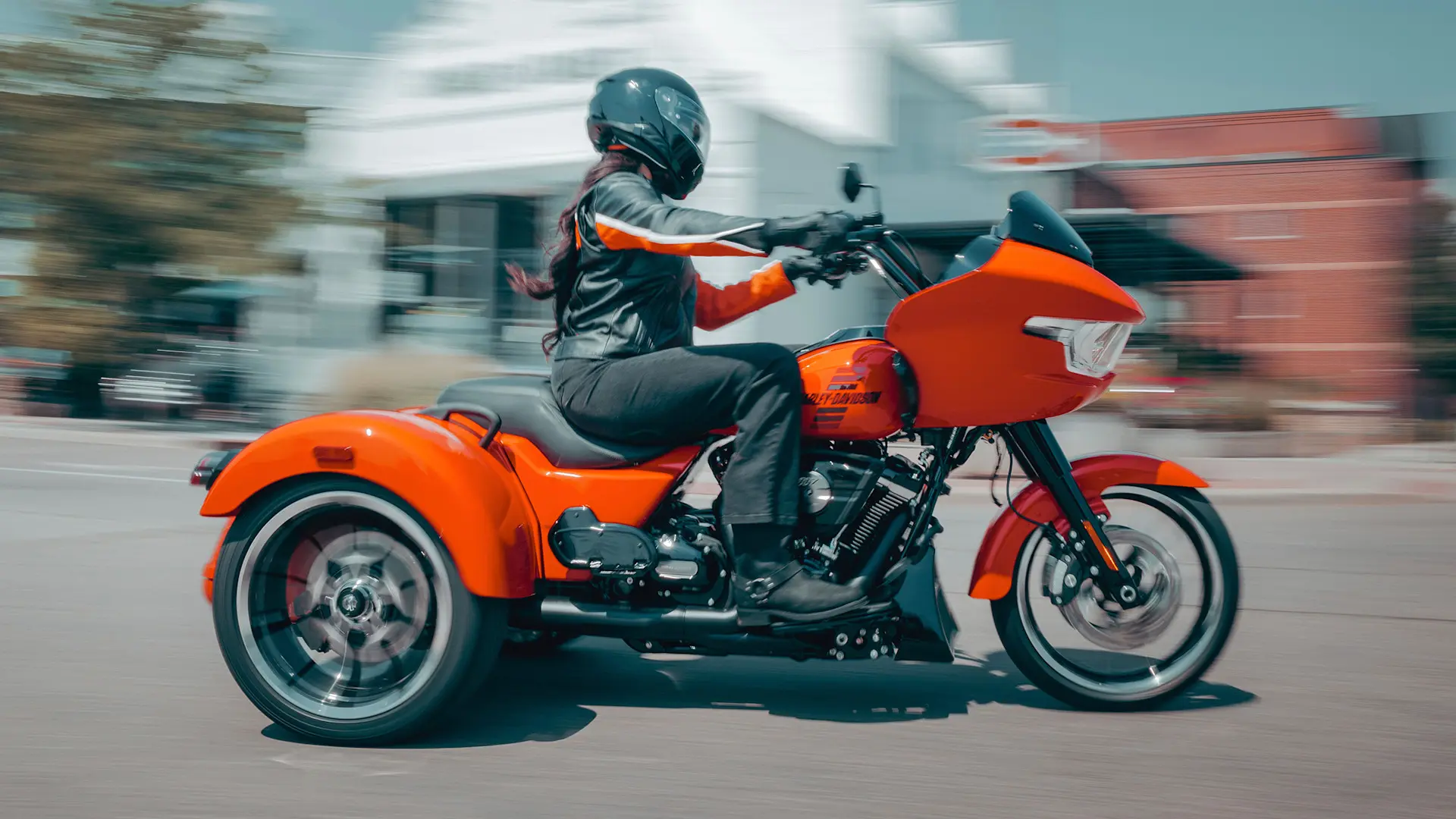
Engineered for trike dynamics, the new de Dion-style rear suspension replaces the previous live-axle design for a smoother, more planted ride. A redesigned chassis with dual emulsion shocks and a Watts linkage doubles wheel travel from 58 mm to 127 mm while cutting 30 kg of unsprung weight. The wider rear track adds grip and stability through corners and confidence across rough pavement.
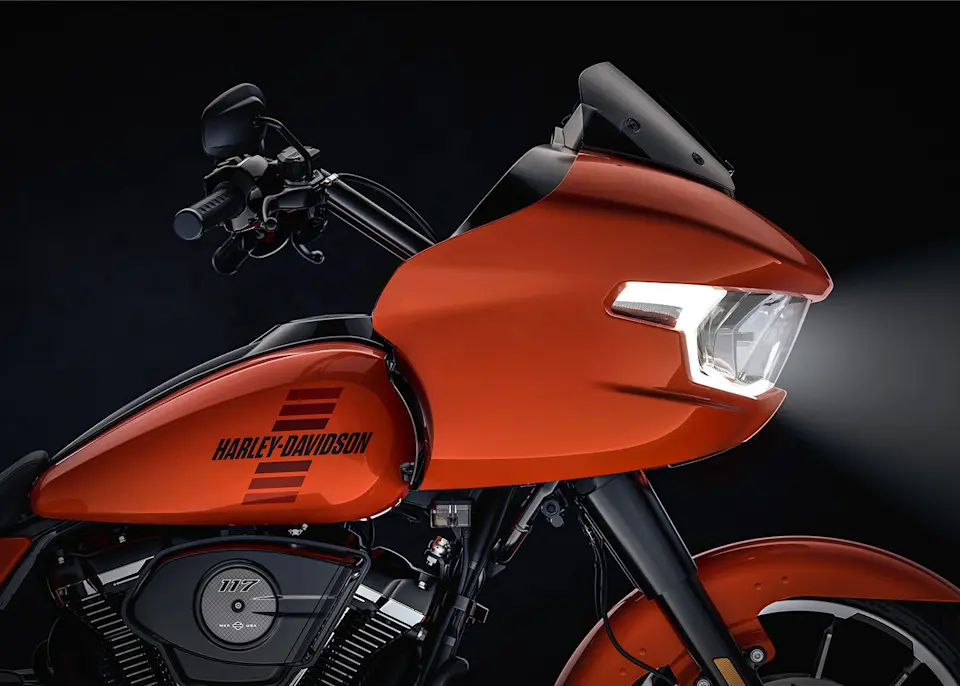
Brand New Sharknose Fairing
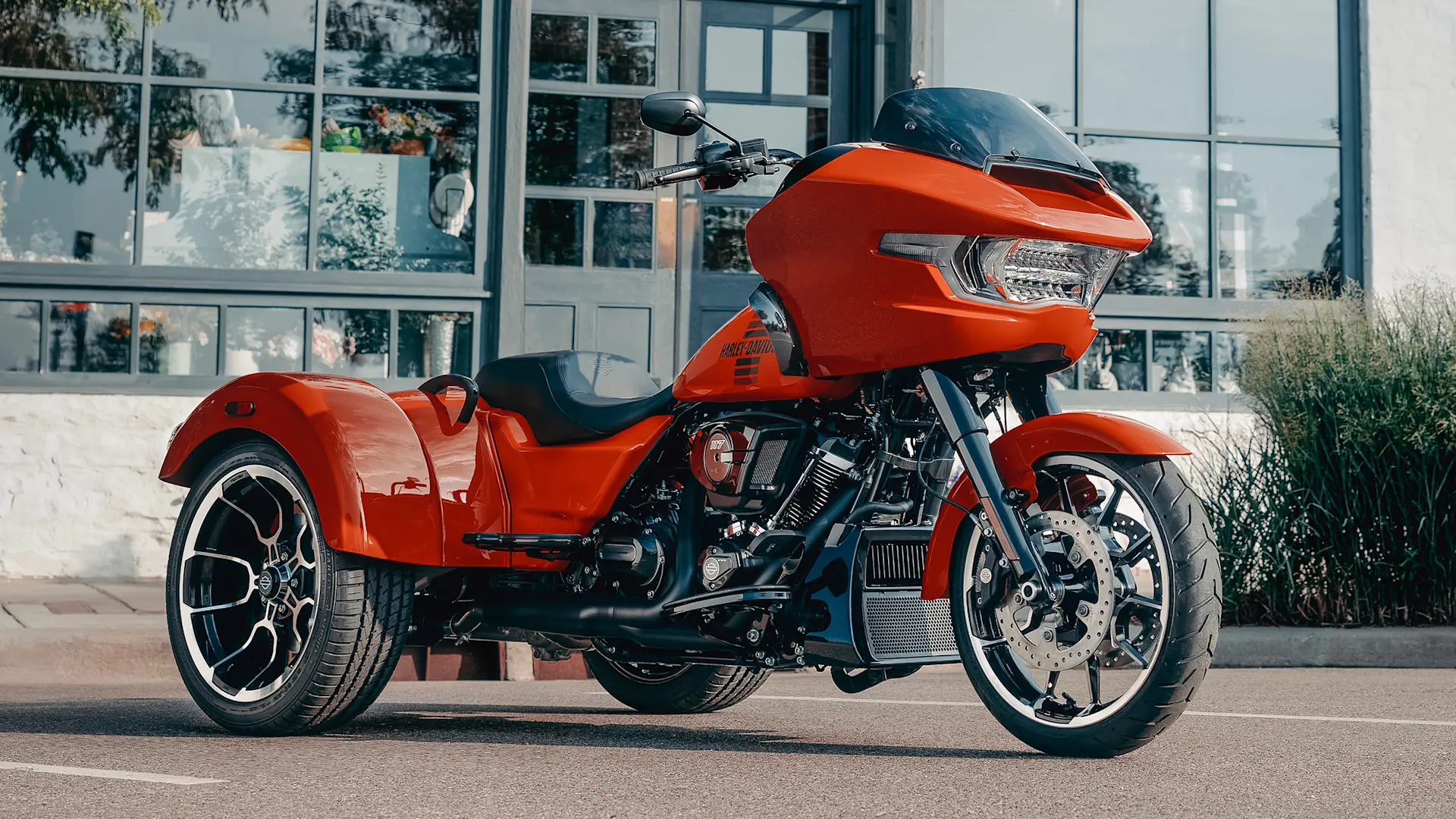
The Road Glide 3’s redesigned Sharknose fairing channels air cleanly around the rider and cuts through headwinds with less buffeting and more intent. The low-profile smoked windscreen keeps the look lean and aggressive while staying true to the Road Glide shape riders know by heart.
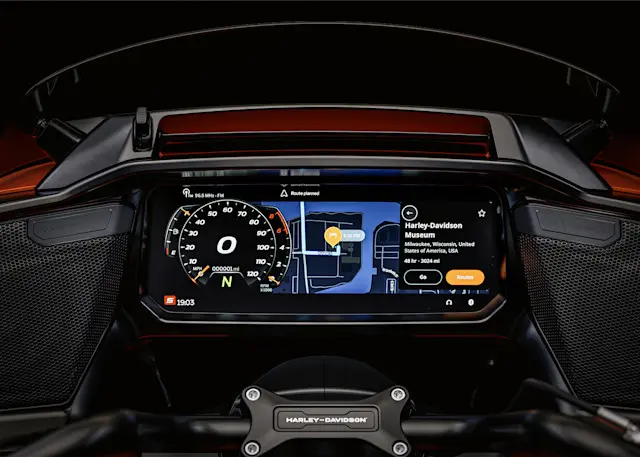
Skyline OS 312 mm Display with H-D Audio
A 312 mm TFT display powered by Skyline OS brings maps, media, and bike settings to your fingertips. The glove-friendly interface and integrated H-D Audio system built into the fairing deliver clean, crisp sound that holds its own against wind and freeway noise.
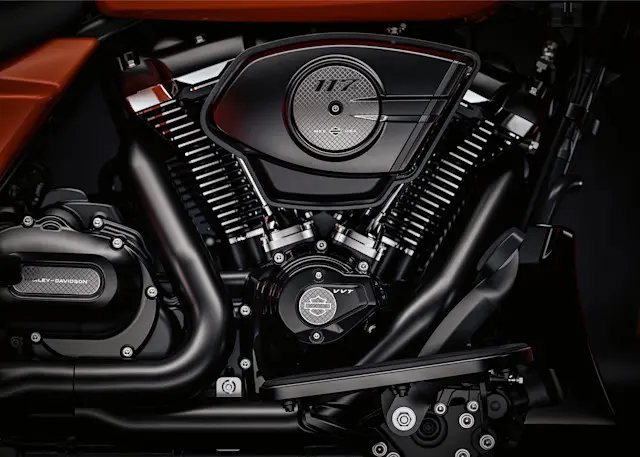
Milwaukee-Eight VVT 117 Motor
The Milwaukee-Eight VVT 117 puts out strong, steady torque across the powerband for quick response from the Variable Valve Timing (VVT)technology, delivering the kind of pull that’ll keep you grinning from ear to ear. Twin slash-down pipes give it a low, throaty sound that smacks right where it should: smooth when you’re cruising, mean when you get on it.
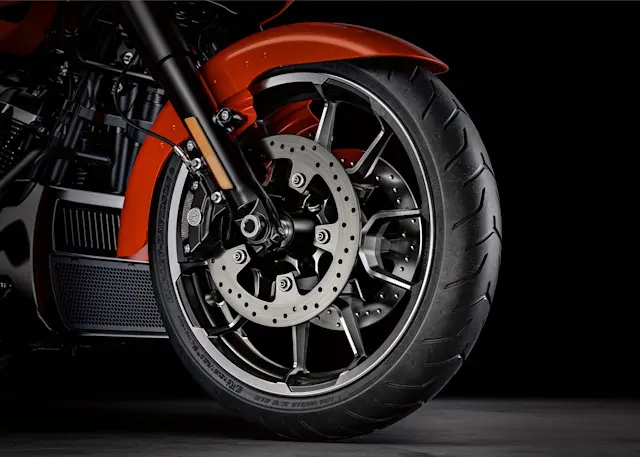
Gloss Black Cast Wheels
New cast-aluminum wheels finished in Gloss Black with machined accents give the Road Glide 3 a sharper edge and a stronger stance. Exposed rear lug nuts nod to classic hot-rod styling and offer pure function with a little attitude built in.
Gallery
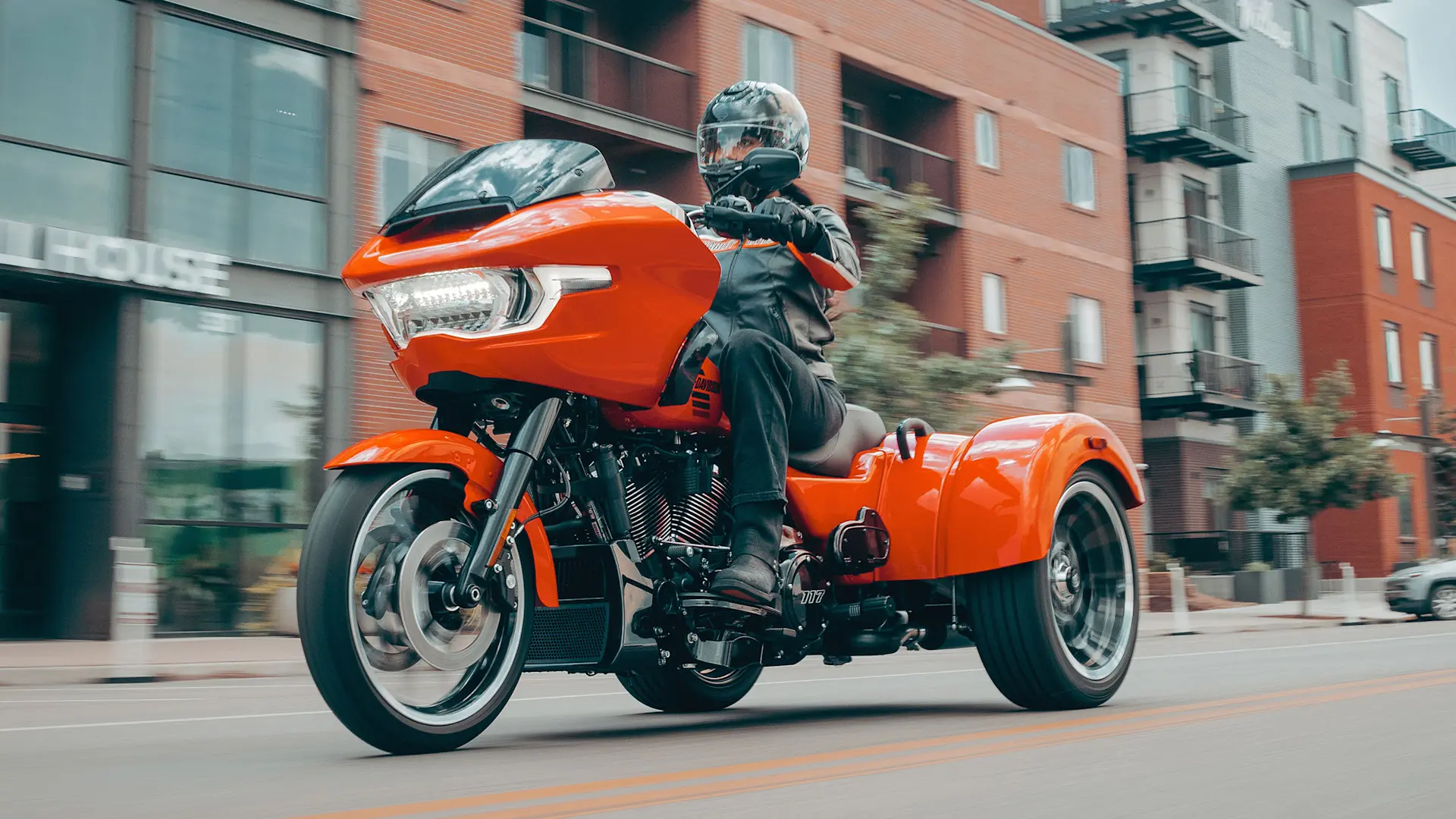
Explore the 2026 Road Glide 3
Wide and in Stride
Engineered for improved comfort and confidence, the 2026 Road Glide 3 combines a newly redesigned Sharknose fairing with the Milwaukee-Eight VVT 117 and an all-new suspension system tuned for smooth, planted handling. Skyline OS, LED lighting all around, and standard Rider Safety Enhancements turn touring precision into confidence that puts you wherever you want to be.
Brand New Sharknose Fairing
The Road Glide 3’s redesigned Sharknose fairing channels air cleanly around the rider and cuts through headwinds with less buffeting and more intent. The low-profile smoked windscreen keeps the look lean and aggressive while staying true to the Road Glide shape riders know by heart.
Gloss Black Cast Wheels
New cast-aluminum wheels finished in Gloss Black with machined accents give the Road Glide 3 a sharper edge and a stronger stance. Exposed rear lug nuts nod to classic hot-rod styling and offer pure function with a little attitude built in.
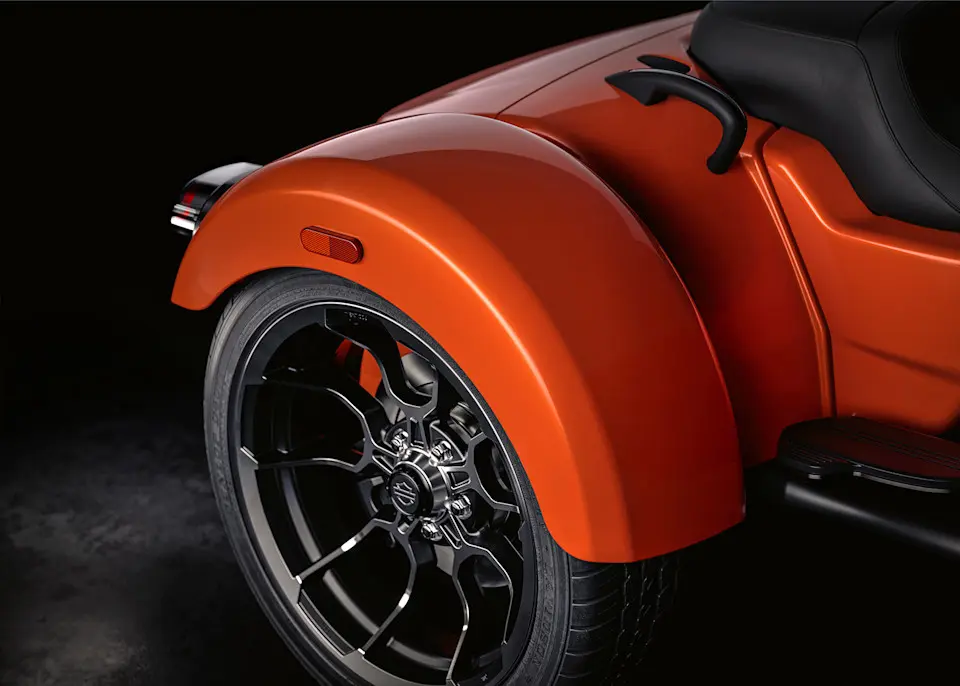
Redesigned Rear Fenders
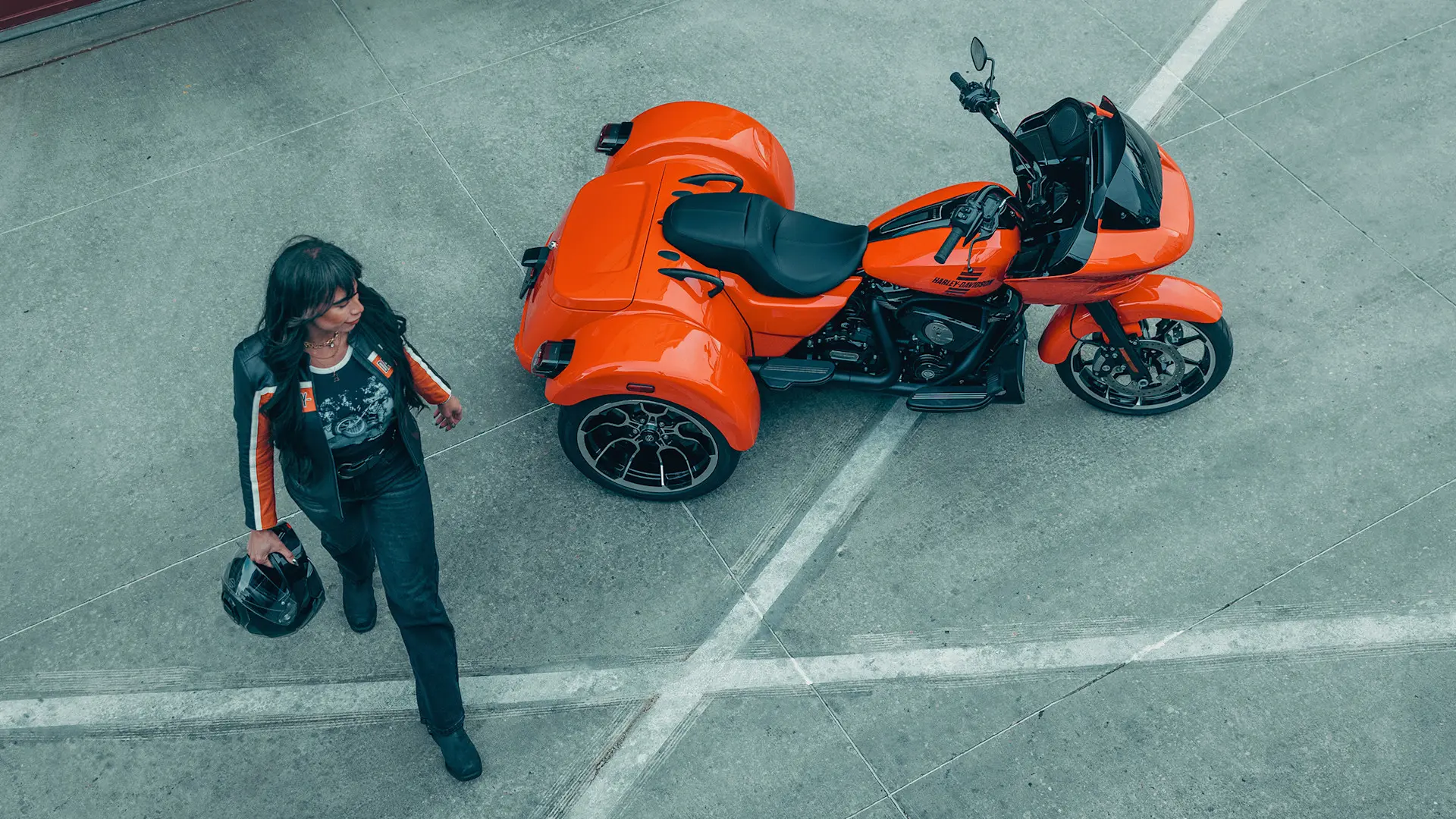
Wider, reshaped rear fenders flow clean with the trike’s new chassis, giving the Road Glide 3 a broader stance and tougher look from every angle. Subtle surface changes and tighter fitment tie the design together with a low, purposeful attitude.
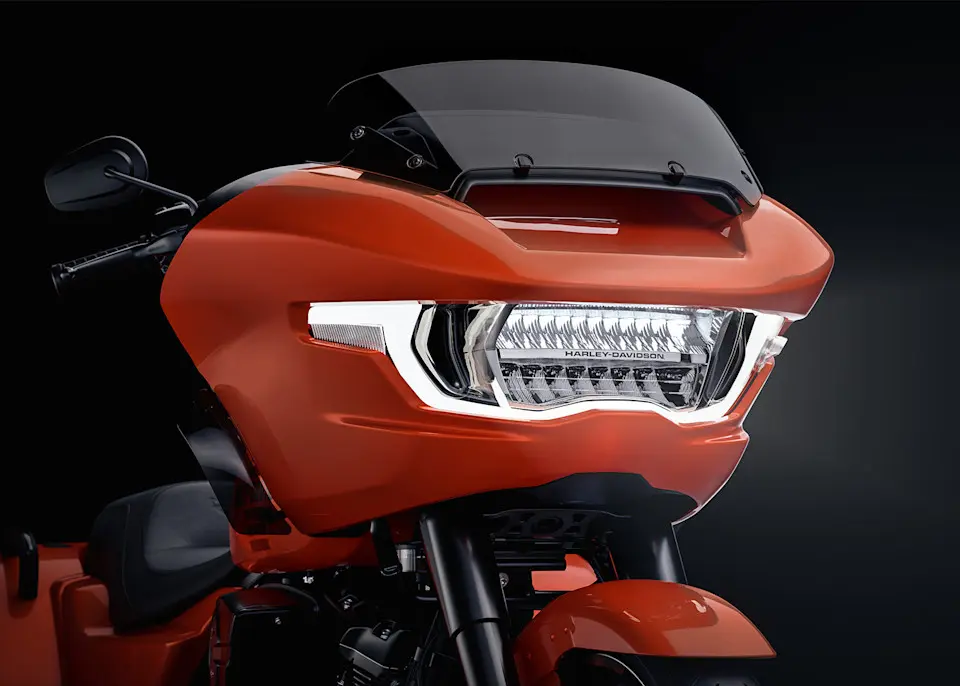
All-LED Lighting, Front to Back
From the signature headlamp to the rear, LEDs deliver bright, quick-responding illumination that enhances visibility and modern definition. See and be seen on late nights and long days with lighting integrated cleanly into the trike’s assertive stance.
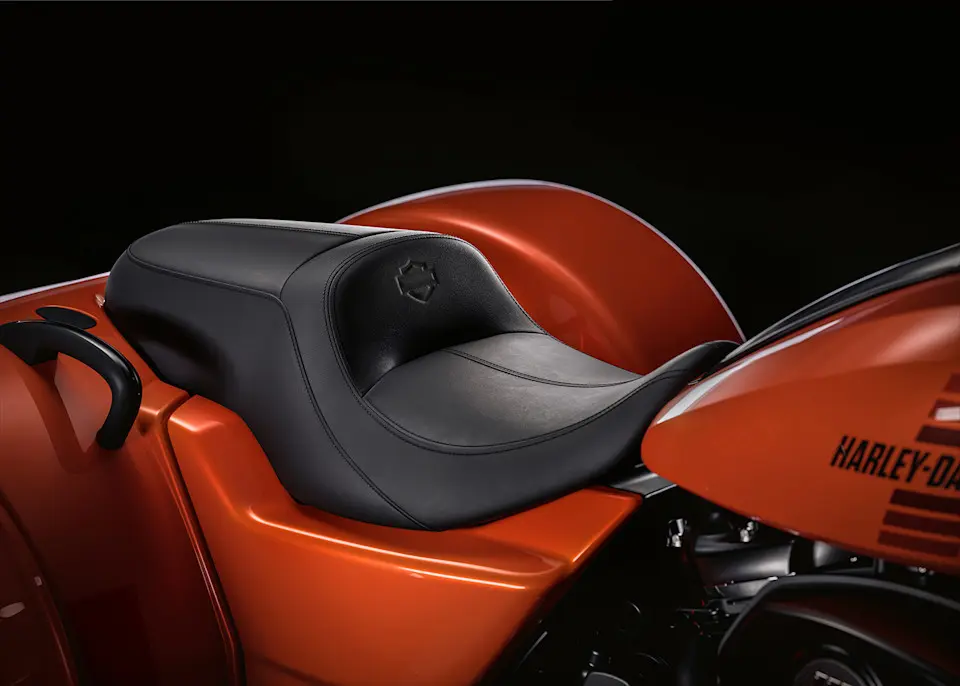
Trunk Access + Passenger Comfort
A weather-sealed rear trunk swallows essentials through a top-mounted door, while the redesigned seat, reshaped passenger footboards, and soft-touch passenger grab handles keep miles easy. It’s practical where it matters and premium where you feel it—confidence and comfort for long hauls.
Milwaukee-Eight VVT 117 Motor
The Milwaukee-Eight VVT 117 puts out strong, steady torque across the powerband for quick response from the Variable Valve Timing (VVT)technology, delivering the kind of pull that’ll keep you grinning from ear to ear. Twin slash-down pipes give it a low, throaty sound that smacks right where it should: smooth when you’re cruising, mean when you get on it.
Completely Redesigned Rear Suspension
Engineered for trike dynamics, the new de Dion-style rear suspension replaces the previous live-axle design for a smoother, more planted ride. A redesigned chassis with dual emulsion shocks and a Watts linkage doubles wheel travel from 58 mm to 127 mm while cutting 30 kg of unsprung weight. The wider rear track adds grip and stability through corners and confidence across rough pavement.
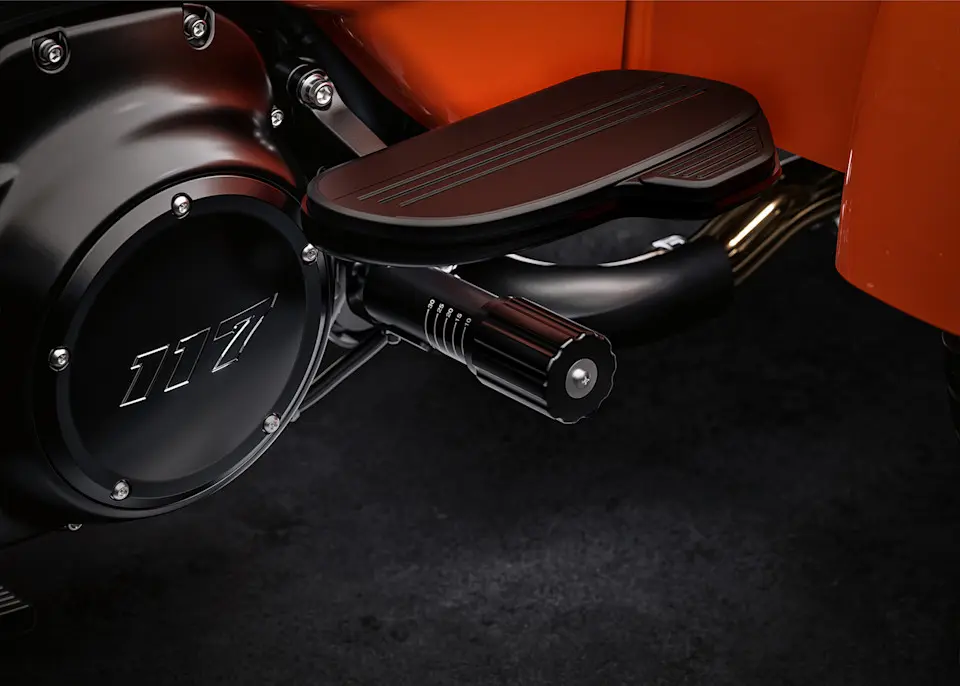
Remote Preload Adjustment
Quickly dial in your setup for solo rides, passengers, or cargo using the conveniently relocated preload adjuster positioned below the left-side passenger footboard. Tool-free access makes it easy to fine-tune suspension response and maintain confident handling while you’re out there gettin’ after it.
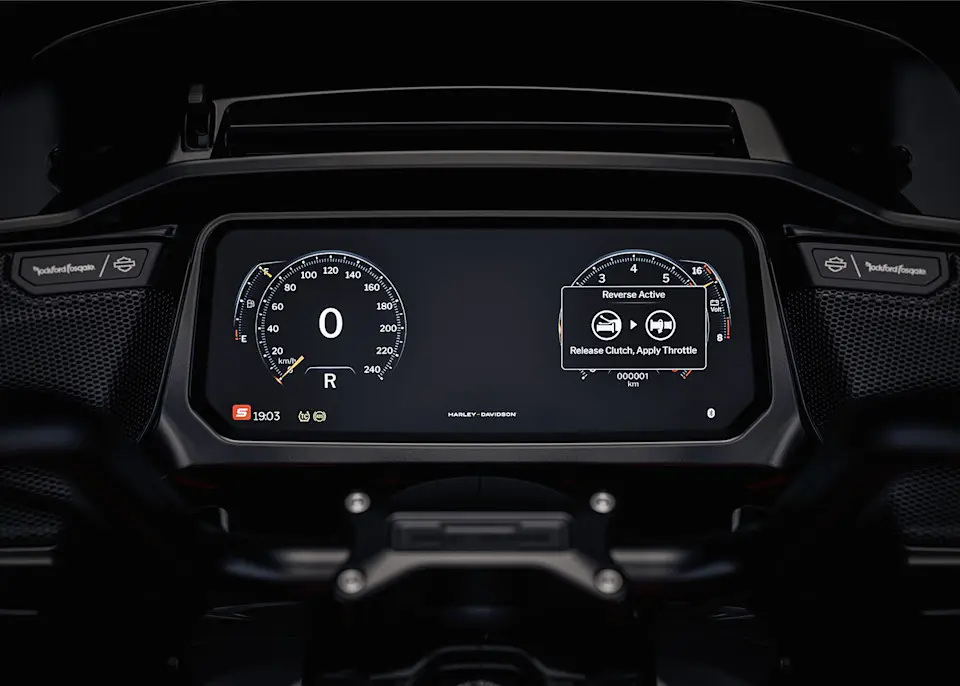
NEW Integrated Reverse Drive
The new reverse is built into the chassis-mounted differential, ditching the old electric motor and its extra weight. It’s tighter, tougher, and built to back you out like a pro.
Skyline OS 312 mm Display with H-D Audio
A 312 mm TFT display powered by Skyline OS brings maps, media, and bike settings to your fingertips. The glove-friendly interface and integrated H-D Audio system built into the fairing deliver clean, crisp sound that holds its own against wind and freeway noise.
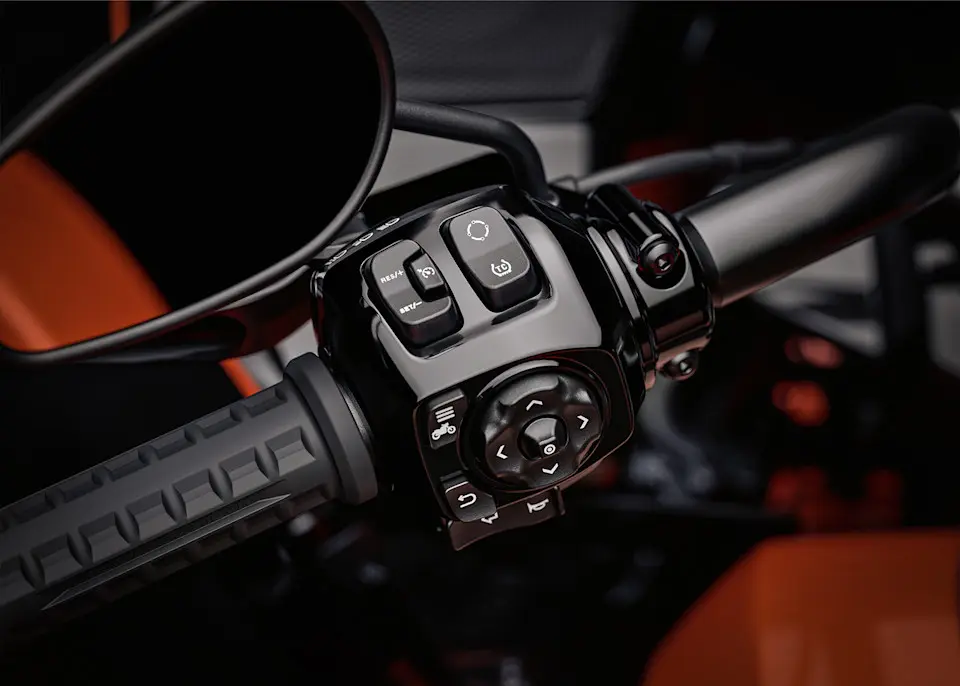
Rider Safety Enhancements
Confidence tech works quietly in the background: ELB/C-ELB, ABS/C-ABS, TCS/C-TCS, TPMS and DSCS/C-DSCS. Together they help manage traction, braking, and chassis behavior, backing up your inputs in straights and in corners without dulling the experience.
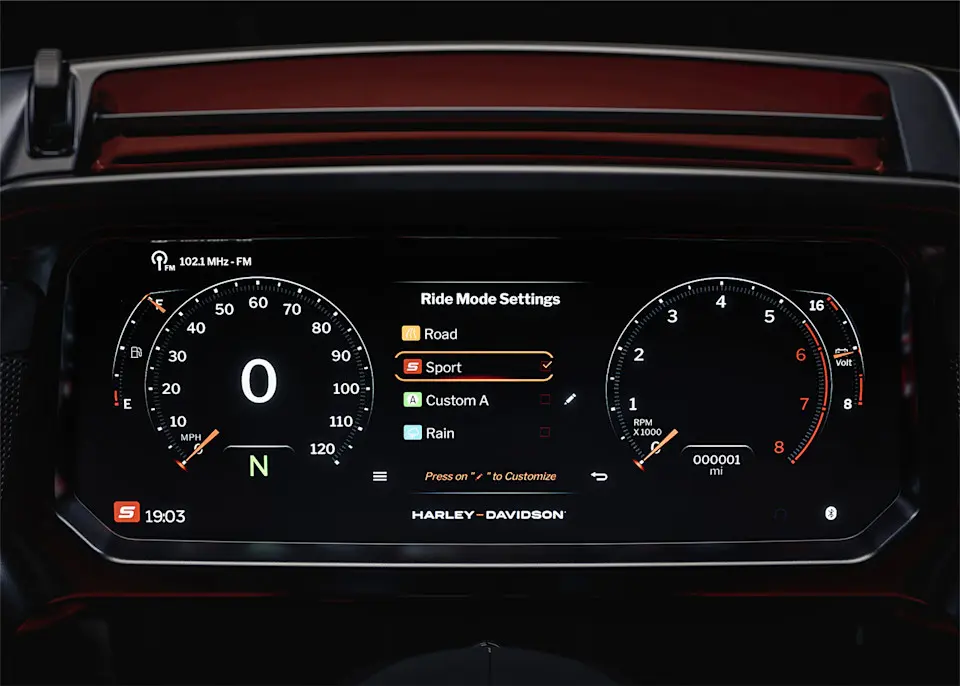
Selectable Ride Modes
Switch between four factory-tuned ride modes designed to match your mood and the conditions ahead. Road mode balances response for everyday miles, Rain softens inputs for low-traction surfaces, Sport sharpens throttle and engine braking for a more aggressive, connected feel, and Custom lets you dial in your own setup for the way you ride.
RIDER SAFETY ENHANCEMENTS
Harley-Davidson's Rider Safety Enhancements is all about giving you that extra peace of mind when things get a little unpredictable. It's a set of smart tech that steps in during tricky situations, helping the bike handle traction while you're accelerating, braking, or slowing down. With the Cornering Rider Safety Enhancements, the bike even adjusts for cornering, keeping things smooth and steady without you having to think twice.
ABS is designed to prevent the wheels from locking under braking and helps the rider maintain control when braking in a straight-line, urgent situation.
This feature electronically applies braking effort to both wheels when the rider applies the front brake lever and, on some models when the rider applies the rear brake pedal. ELB can help many riders achieve better braking performance. It boosts braking power when needed while minimizing or stopping the linking for lighter braking or at lower speeds.
The TCS is designed to keep the rear wheel from “spinning out” when the motorcycle is accelerating in a straight line and enhances rider confidence.
DSCS is designed to reduce excessive rear-wheel slip and help prevent rear-wheel lock under powertrain-induced deceleration, which typically occurs when the rider makes an abrupt downshift gear change or quickly reduces the throttle while on wet or slippery road surfaces.
TPMS alerts the rider through the information display to low or high tire air pressure. Maintaining proper tire air pressure is important both for vehicle performance and tire life.
C-ABS is a variant of ABS that takes into consideration the lean angle of a two-wheel motorcycle, or the lateral acceleration of a Trike model. The brake pressure required to limit wheel slip when cornering is typically or lower than the pressure required under straight line operation.
C-ELB takes into account the motorcycle lean angle or Trike lateral acceleration. C-ELB will alter the proportioning of brake pressure between the front and rear brakes when braking while cornering in an attempt to improve the ability of the bike to maintain the rider's intended path.
C-TCS is designed to prevent the rear wheel from excessive spinning under acceleration when going straight or cornering.
On bikes equipped with C-DSCS, the system helps keep the rear wheel from slipping or locking up when you quickly downshift or let off the throttle, especially on wet or slippery roads. When turning, it can adjust based on how much a two-wheel bike is leaning or the side-to-side motion on a Trike.