CVO™ Street Glide™ ST
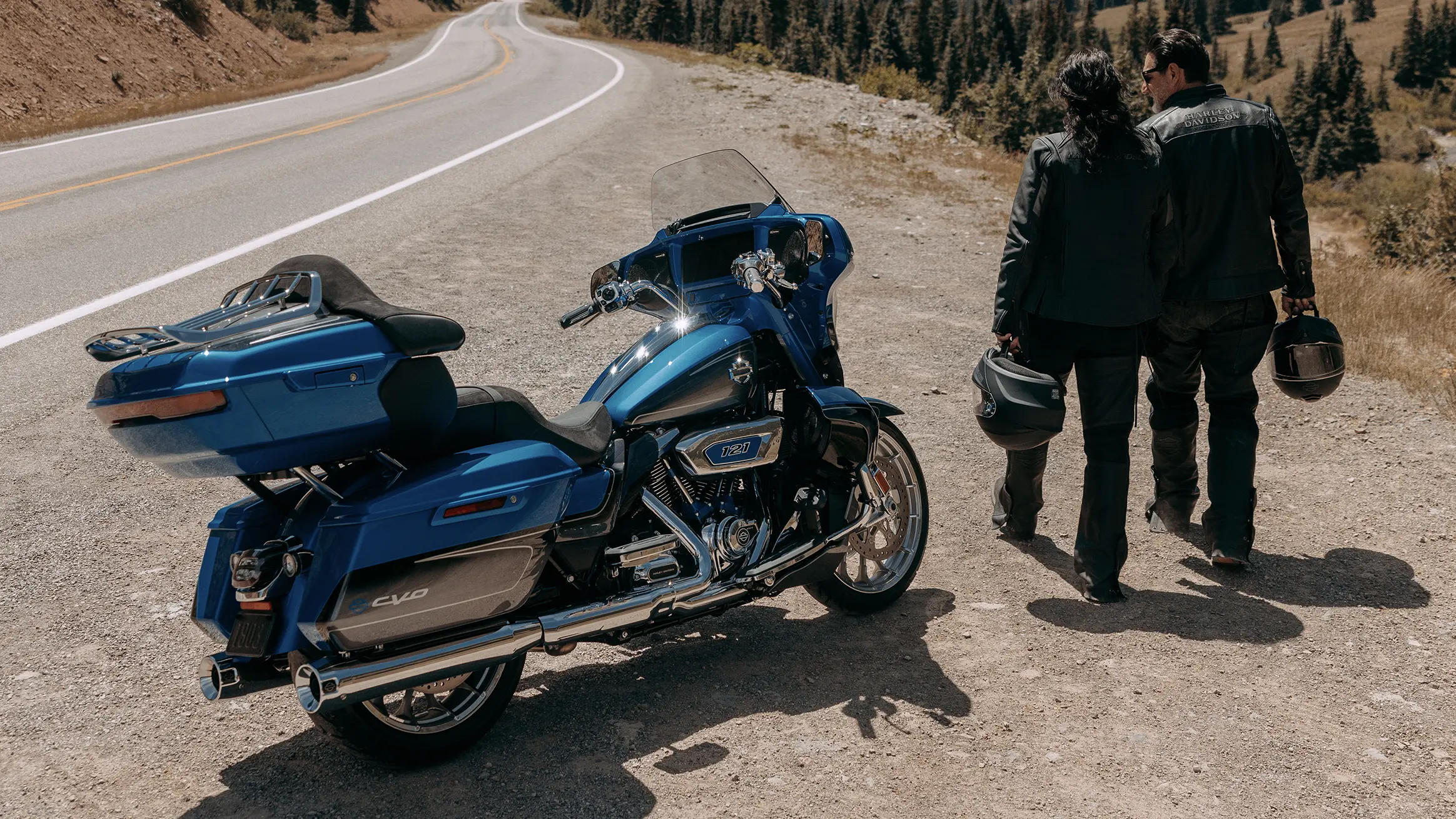
Brand New for 2026, the CVO Street Glide ST is loud, it's fast, and it's purpose-built for riders who want precision performance with just enough manners to be allowed off leash on the streets. You've been waiting for this bike, and it's finally here.
At a Glance
Where Redline Meets Rowdy.
Introducing a new chapter in the CVO story: the 2026 CVO Street Glide ST. All new for 2026, the CVO Street Glide ST takes the Batwing bagger into uncharted territory. Its Heavy Breather intake gives it lungs to match its attitude, while floating front rotors, eight selectable ride modes (including Track and Track+), and remote-reservoir suspension bring race-bred precision to the street. Forged carbon details and the Milwaukee-Eight™ 121 High Output motor make it luxury and ruthlessness in a machine that doesn’t know the meaning of the word “quit.”
126 HP
Horsepower
740 mm
Seat Height, Unladen
193 Nm
Engine Torque
6 L/100 Km
Fuel Economy
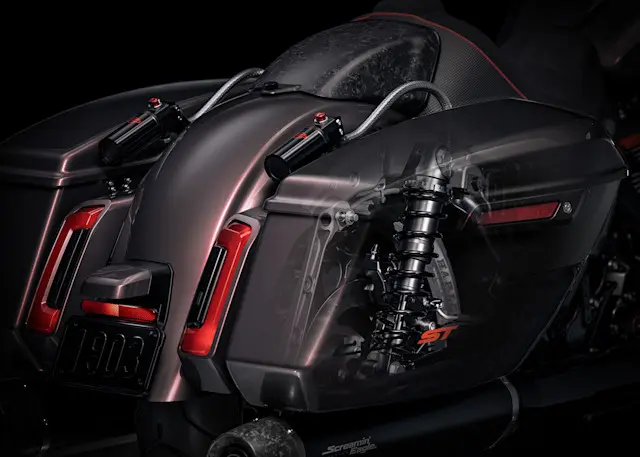
Track-Ready Suspension
Adjustable front inverted forks with DLC-coated sliders and rear remote-reservoir shocks deliver race-spec control. Whether it’s a tight apex or an open straight, the CVO Street Glide ST stays planted and precise.
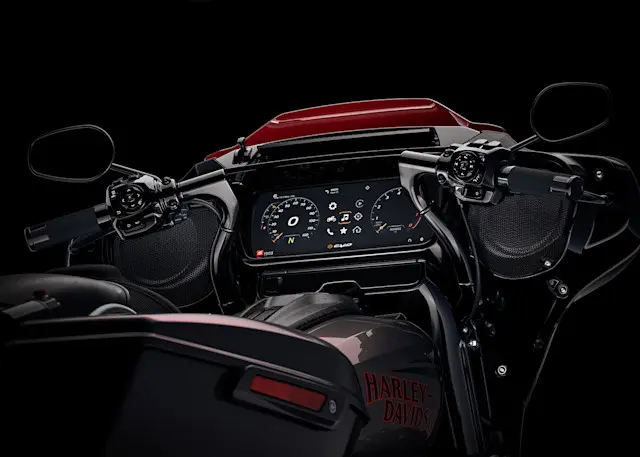
Performance Fused Handlebar
With a wider, taller bar inspired by Harley-Davidson’s popular Fuse setup, the Performance Fused handlebar nails that club-style stance. They’re 1.6 inches wider, two inches taller, and built to make every move feel deliberate and confident.
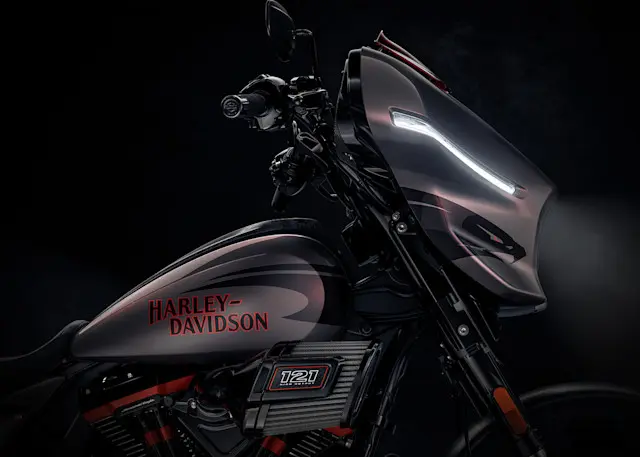
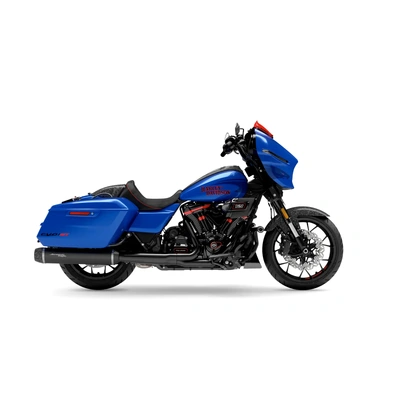
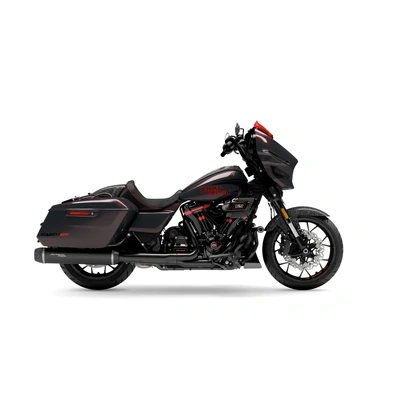
NEW Inferno Gray + Electric Coast Colorways
Inferno Gray burns hot and Electric Coast cools things down, and the red-tinted windscreen ties it all together. Both colorways are accented by Screamin' Eagle graphics that move with the light. Nobody does factory paint and graphics like Harley-Davidson, and these new colorways are no exception.
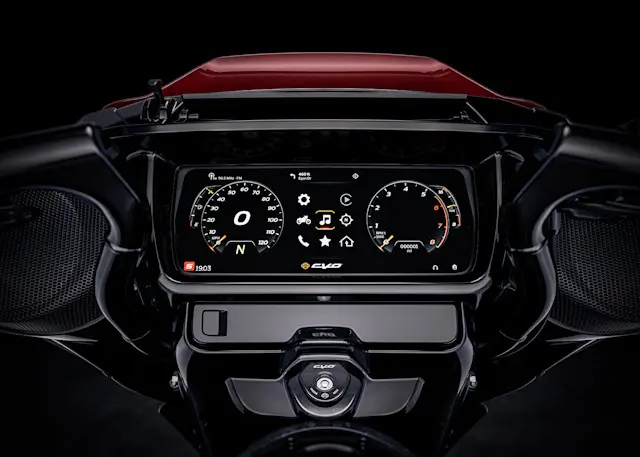
Skyline™ OS Interface Integration
All that performance feeds through the Skyline OS interface giving riders an intuitive, connected, and race-inspired experience behind the bars. From ride mode selection and embedded navigation to audio control, every touch feels like it belongs on a starting grid.
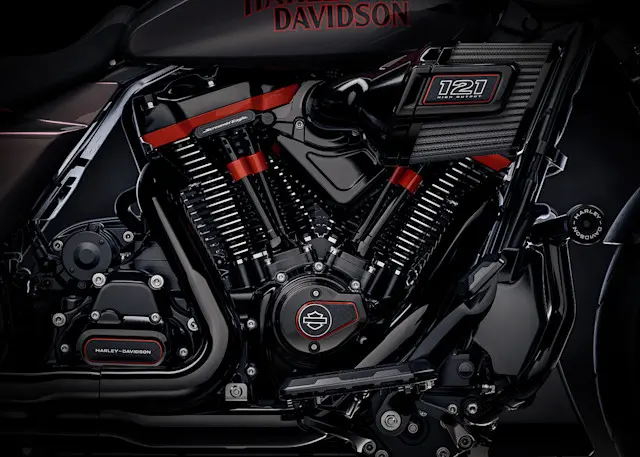
Milwaukee-Eight 121 High Output Motor
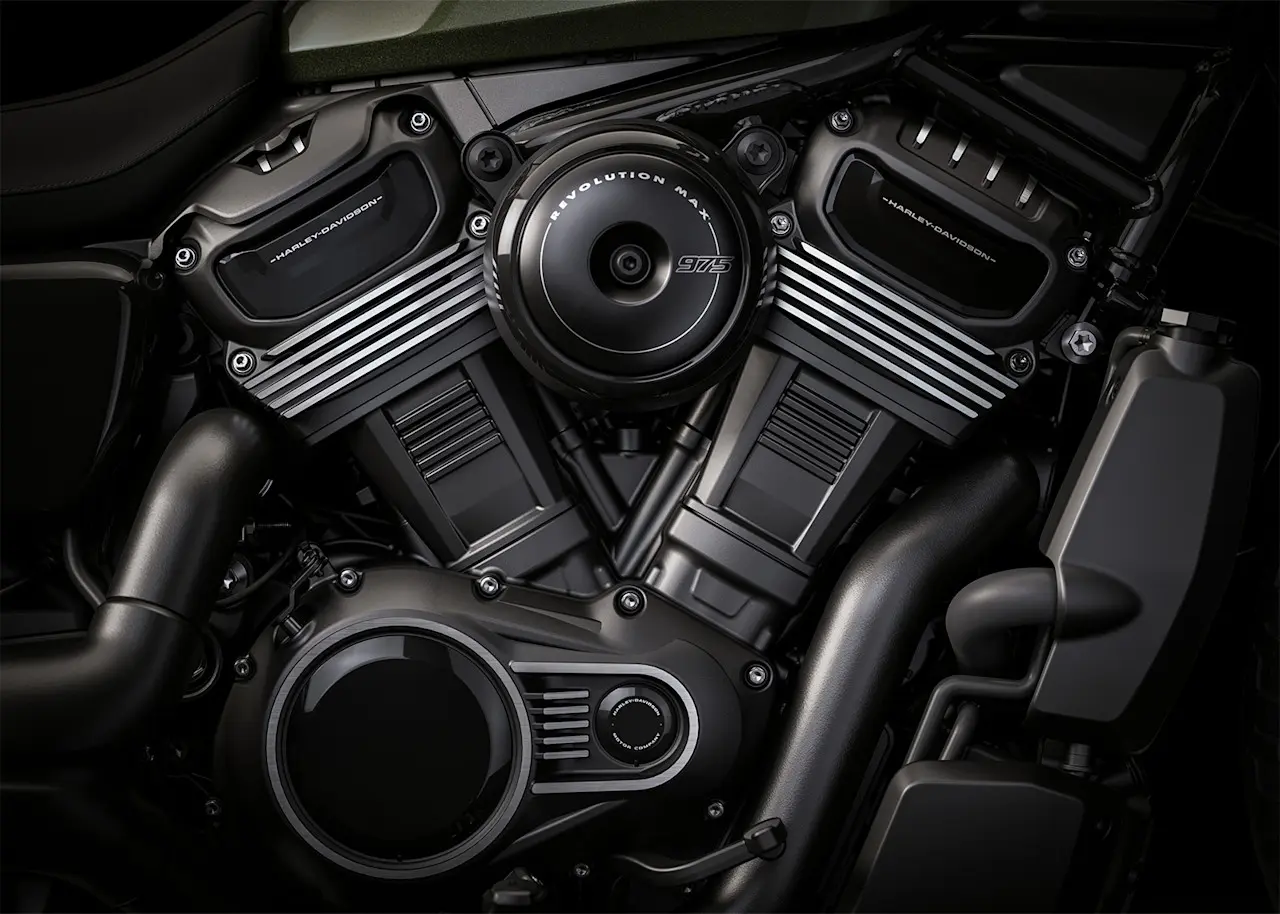
At its core is the Milwaukee-Eight 121 High Output engine, delivering a staggering 94 kW @ 5020 rpm and 193 Nm of torque. No, you didn’t misread that. Its elevated 5,900 RPM redline lets riders stay aggressive on the throttle longer, while the race-inspired intake flows over 25 percent more air than the Milwaukee-Eight VVT 121 to maximize torque and horsepower.
Gallery
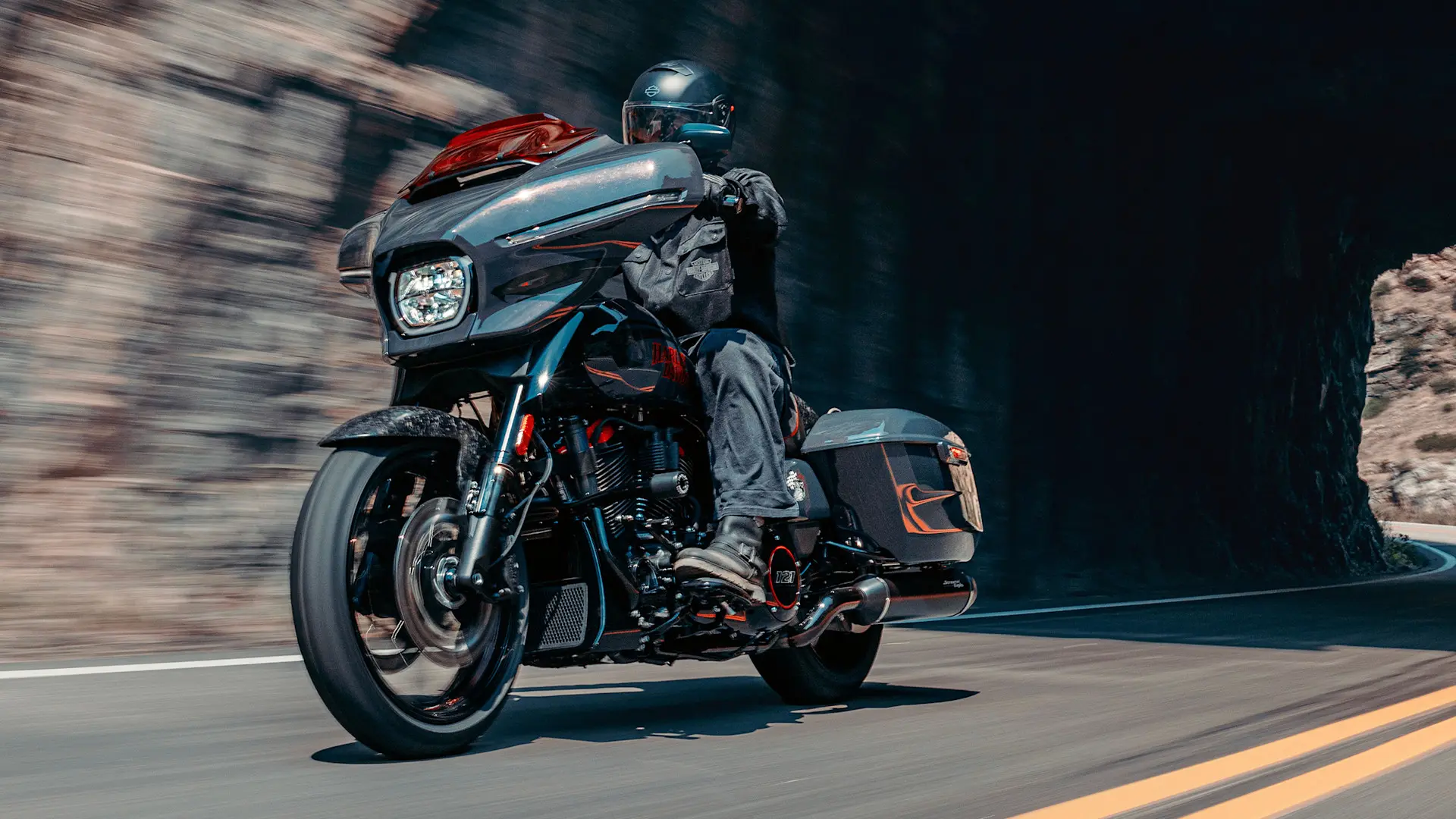
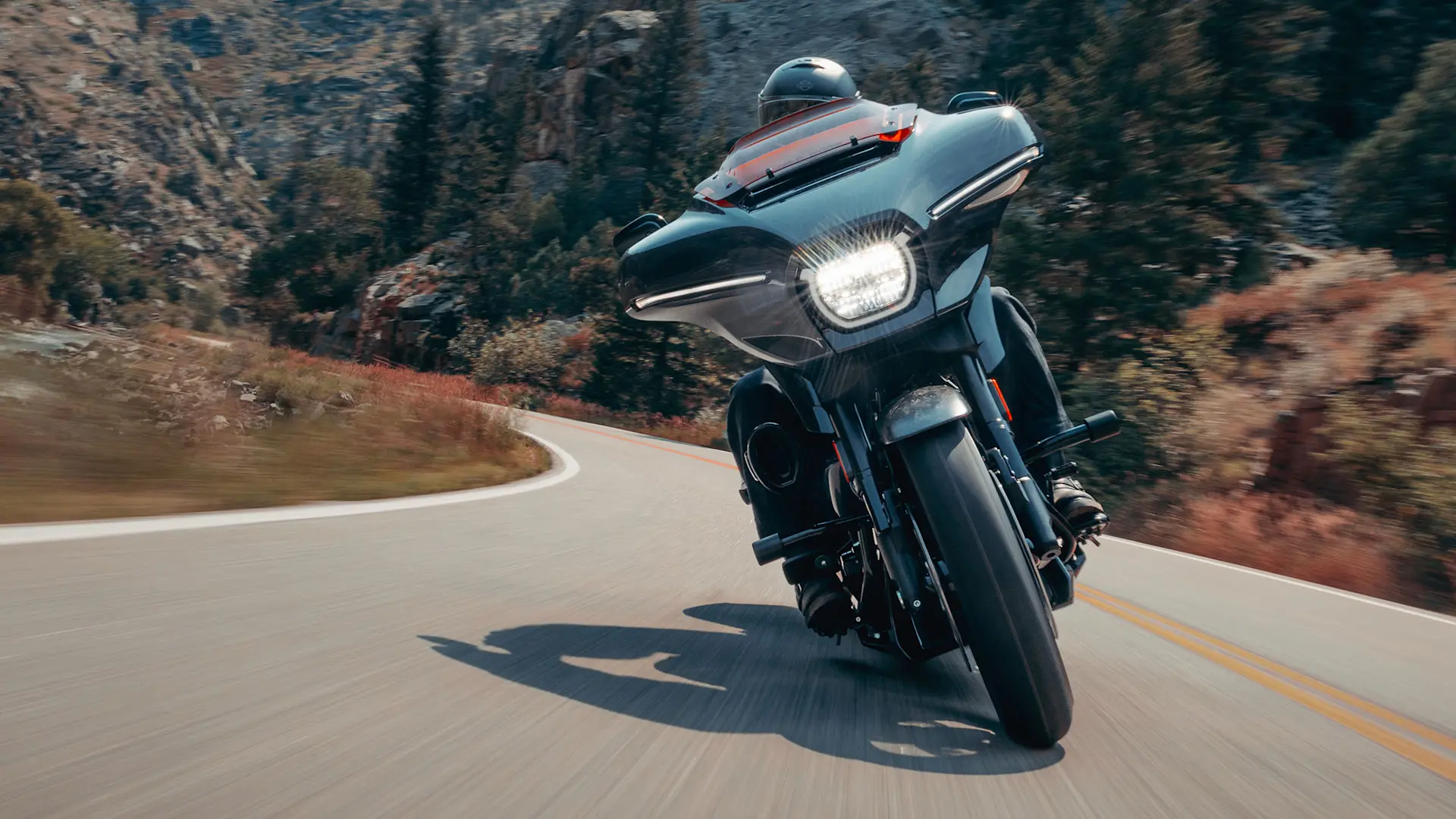
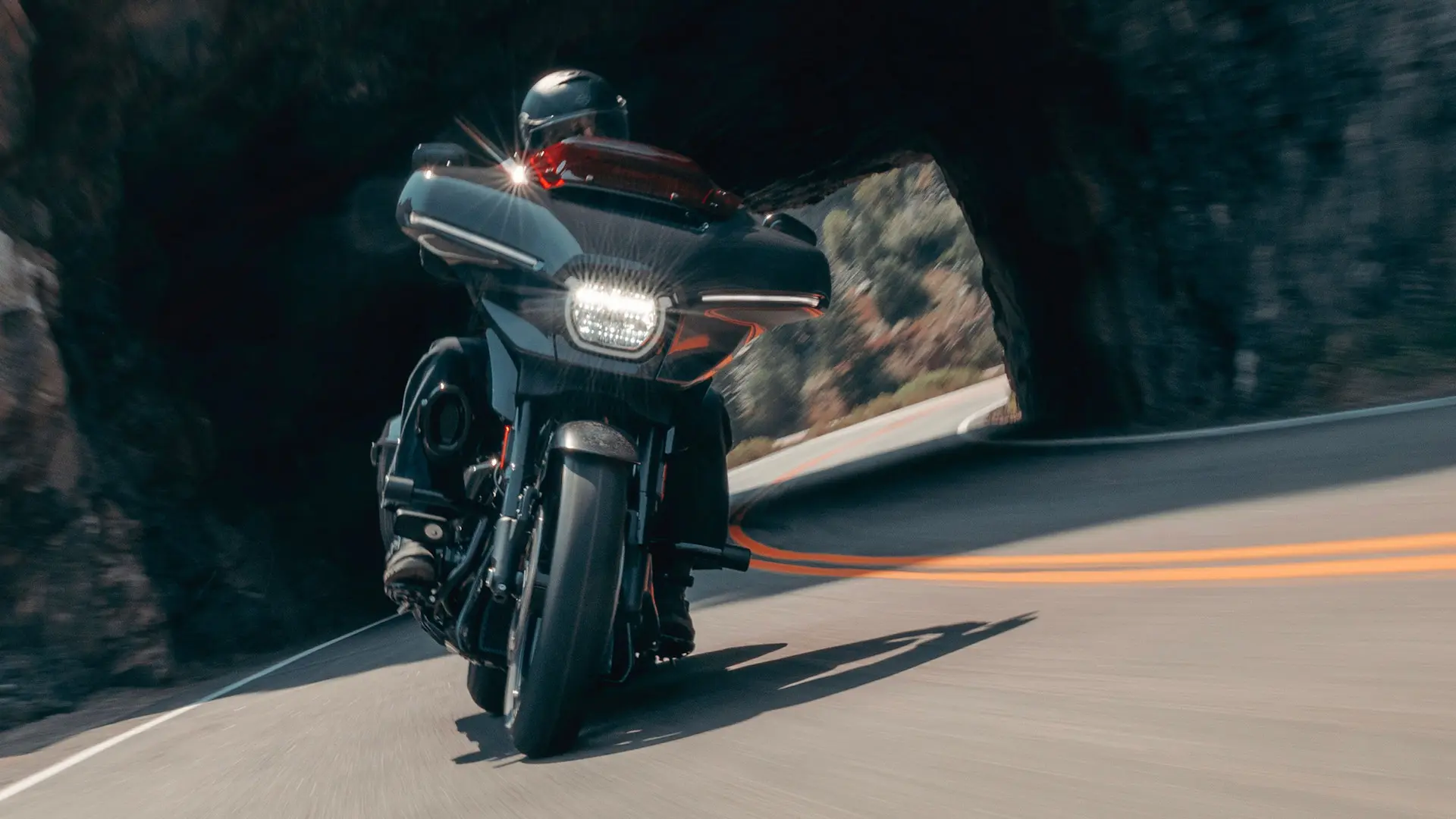
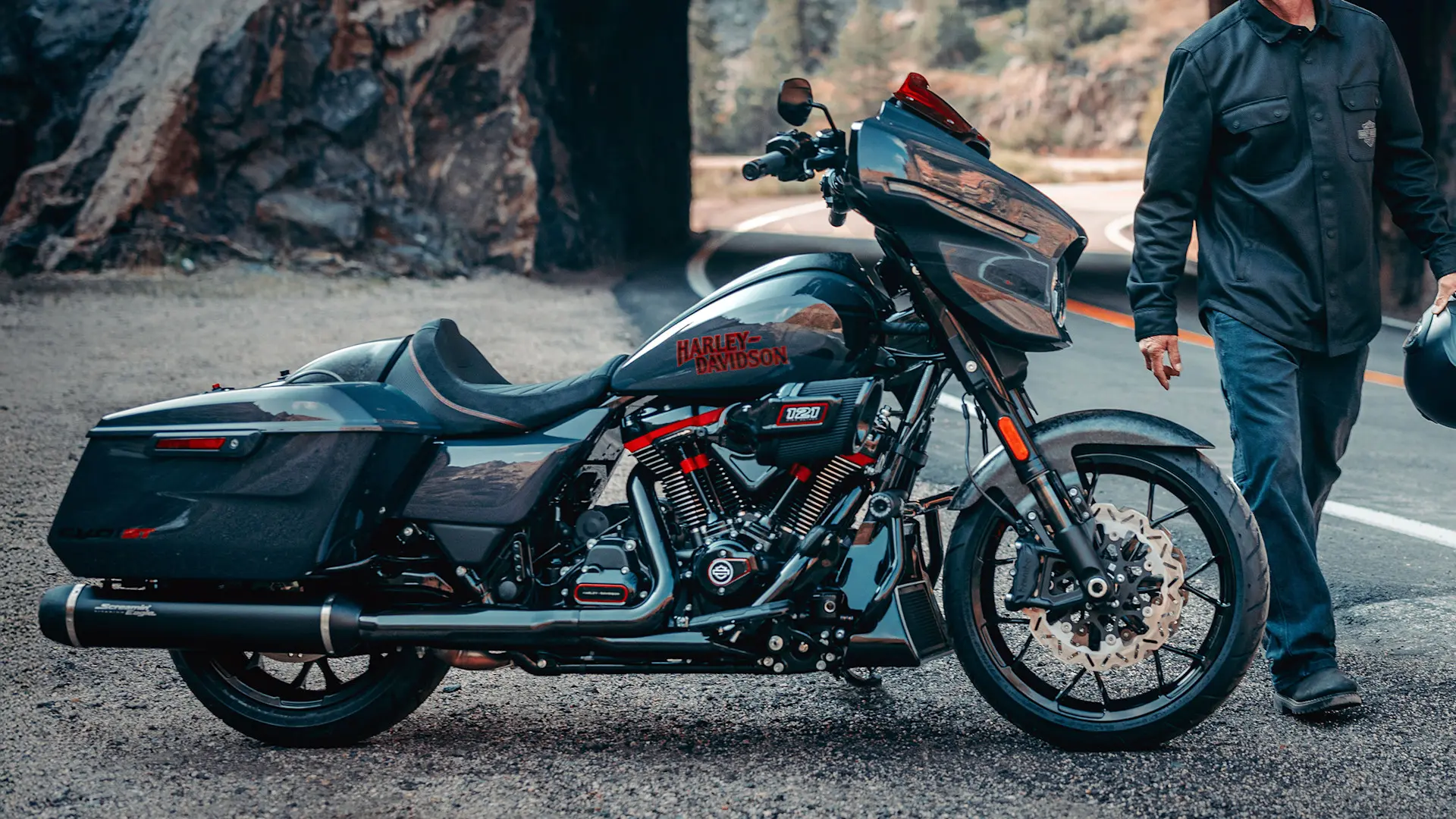
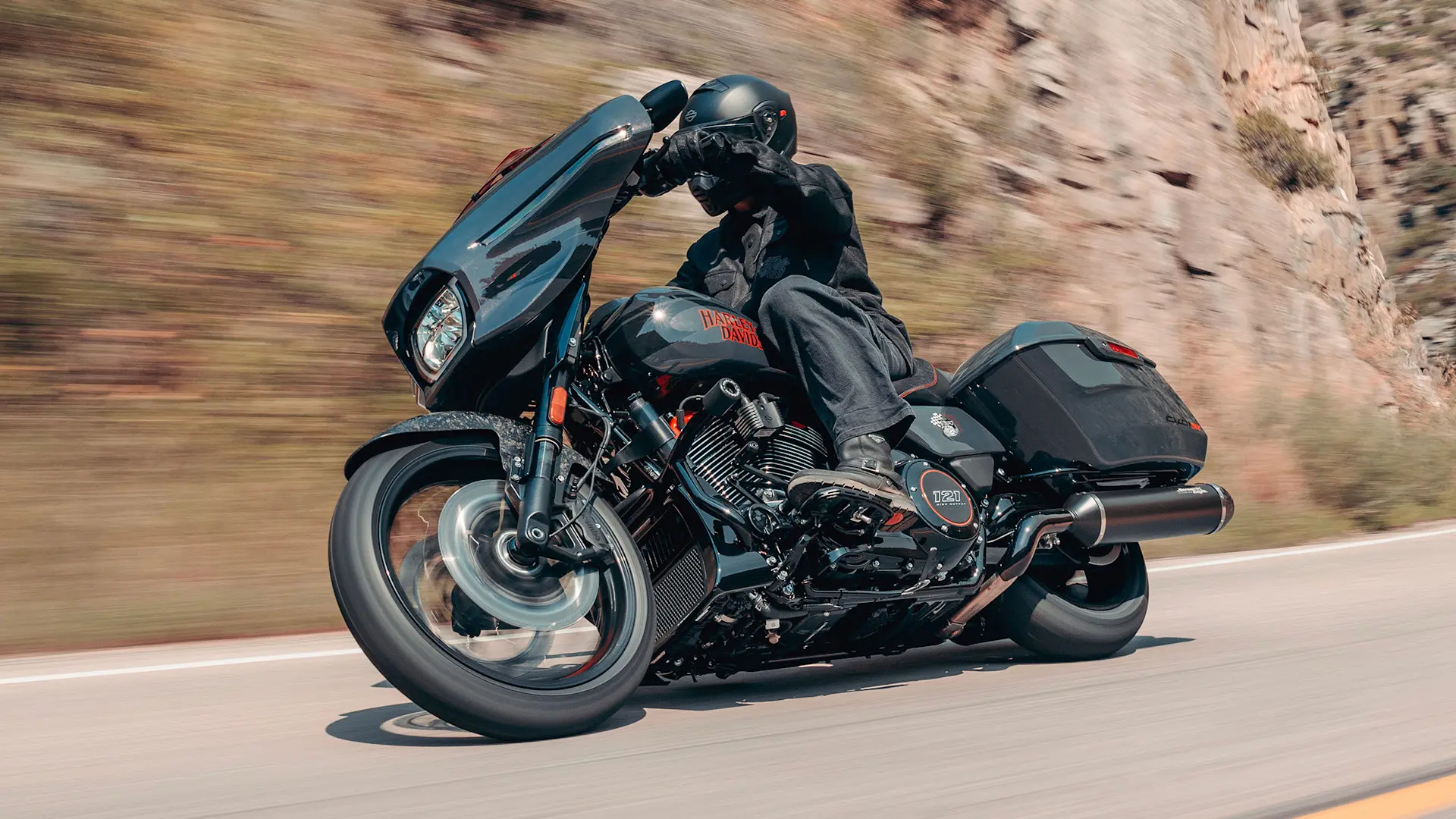
Explore the 2026 CVO Street Glide ST
Performance Goes Platinum
Built for riders who live wide open, the CVO Street Glide ST fuses race-bred hardware with premium finishes that scream precision. From forged carbon fiber details to its Milwaukee-Eight 121 High Output motor and eight selectable ride modes (including race-calibrated Track and Track+), it’s the most aggressive CVO Batwing bagger ever built.
NEW Inferno Gray + Electric Coast Colorways
Inferno Gray burns hot and Electric Coast cools things down, and the red-tinted windscreen ties it all together. Both colorways are accented by Screamin' Eagle graphics that move with the light. Nobody does factory paint and graphics like Harley-Davidson, and these new colorways are no exception.
Performance Fused Handlebar
With a wider, taller bar inspired by Harley-Davidson’s popular Fuse setup, the Performance Fused handlebar nails that club-style stance. They’re 1.6 inches wider, two inches taller, and built to make every move feel deliberate and confident.
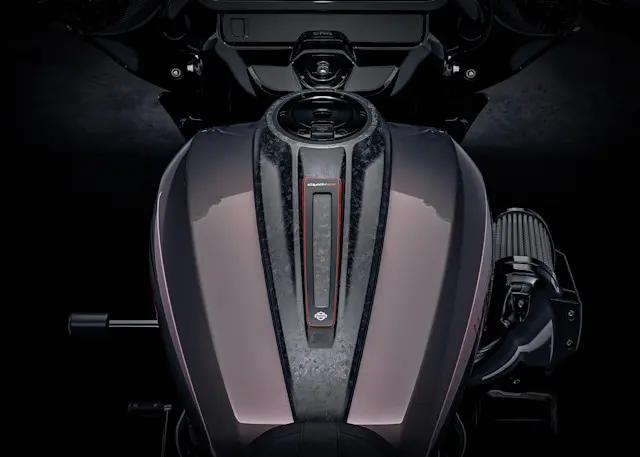
Forged Carbon Details
Forged carbon accents on the front fender, console, and seat cowl deliver a purposeful, high-end finish that blends strength and weight reduction with beauty. Each piece is lightweight, functional, and meticulously crafted, and a true form-meets-function detail worthy of the CVO badge.
Milwaukee-Eight 121 High Output Motor
At its core is the Milwaukee-Eight 121 High Output engine, delivering a staggering 94 kW @ 5020 rpm and 193 Nm of torque. No, you didn’t misread that. Its elevated 5,900 RPM redline lets riders stay aggressive on the throttle longer, while the race-inspired intake flows over 25 percent more air than the Milwaukee-Eight VVT 121 to maximize torque and horsepower.
Track-Ready Suspension
Adjustable front inverted forks with DLC-coated sliders and rear remote-reservoir shocks deliver race-spec control. Whether it’s a tight apex or an open straight, the CVO Street Glide ST stays planted and precise.
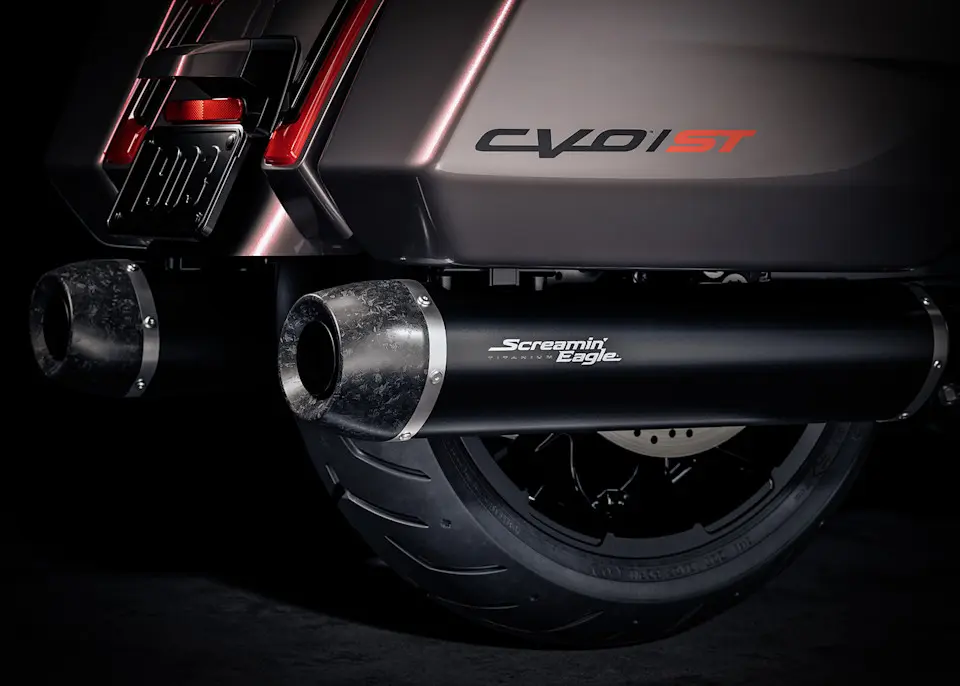
Forged Titanium Mufflers
Black powder-coated titanium mufflers with forged carbon fiber end caps cut weight while amplifying sound. Every rev hits hard with a deep, unmistakable note that declares this bike’s performance pedigree.
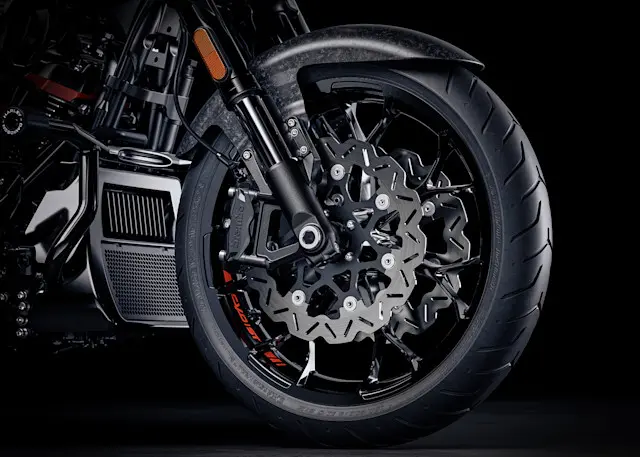
Dual Floating Rotors
Performance dual floating front brake rotors add stopping power worthy of its speed. Precision machined and track inspired, they deliver consistent feedback and fade-resistant confidence when it matters most.
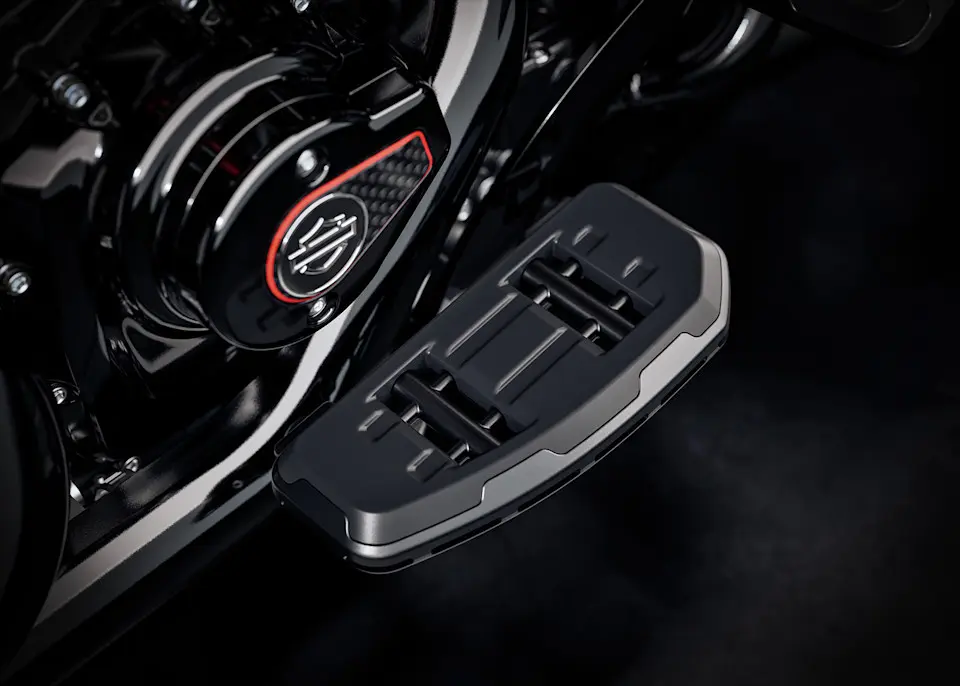
Switchback Collection Controls
The Switchback Collection combines billet aluminum and rubber for a rugged, performance-driven look and feel. Finished in anodized black, the compact floorboards, grips, shifter peg, and rear brake pad deliver confident grip and tactile feedback that keep you connected to the bike in every moment.
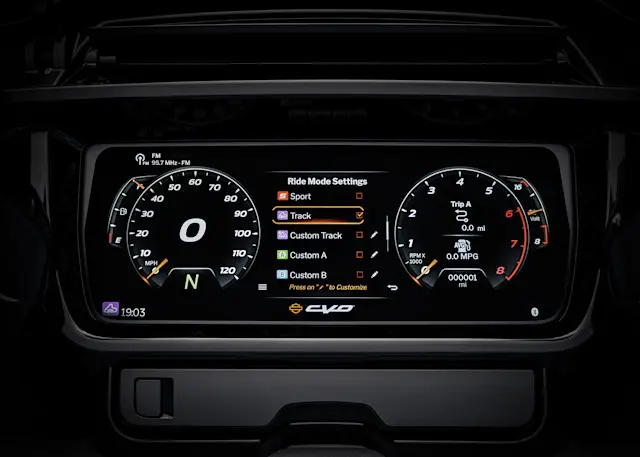
Eight Selectable Ride Modes, Including Tack and Track+
Eight selectable ride modes — Road, Rain, Sport, Track, Track+, and three Custom options — fine-tune throttle response, engine braking, and traction control for any condition. Whether you’re riding cross country or closed course, every setting delivers peak performance.
Skyline™ OS Interface Integration
All that performance feeds through the Skyline OS interface giving riders an intuitive, connected, and race-inspired experience behind the bars. From ride mode selection and embedded navigation to audio control, every touch feels like it belongs on a starting grid.
RIDER SAFETY ENHANCEMENTS
Harley-Davidson's Rider Safety Enhancements is all about giving you that extra peace of mind when things get a little unpredictable. It's a set of smart tech that steps in during tricky situations, helping the bike handle traction while you're accelerating, braking, or slowing down. With the Cornering Rider Safety Enhancements, the bike even adjusts for cornering, keeping things smooth and steady without you having to think twice.
ABS is designed to prevent the wheels from locking under braking and helps the rider maintain control when braking in a straight-line, urgent situation.
This feature electronically applies braking effort to both wheels when the rider applies the front brake lever and, on some models when the rider applies the rear brake pedal. ELB can help many riders achieve better braking performance. It boosts braking power when needed while minimizing or stopping the linking for lighter braking or at lower speeds.
The TCS is designed to keep the rear wheel from “spinning out” when the motorcycle is accelerating in a straight line and enhances rider confidence.
DSCS is designed to reduce excessive rear-wheel slip and help prevent rear-wheel lock under powertrain-induced deceleration, which typically occurs when the rider makes an abrupt downshift gear change or quickly reduces the throttle while on wet or slippery road surfaces.
TPMS alerts the rider through the information display to low or high tire air pressure. Maintaining proper tire air pressure is important both for vehicle performance and tire life.
C-ABS is a variant of ABS that takes into consideration the lean angle of a two-wheel motorcycle, or the lateral acceleration of a Trike model. The brake pressure required to limit wheel slip when cornering is typically or lower than the pressure required under straight line operation.
C-ELB takes into account the motorcycle lean angle or Trike lateral acceleration. C-ELB will alter the proportioning of brake pressure between the front and rear brakes when braking while cornering in an attempt to improve the ability of the bike to maintain the rider's intended path.
C-TCS is designed to prevent the rear wheel from excessive spinning under acceleration when going straight or cornering.
On bikes equipped with C-DSCS, the system helps keep the rear wheel from slipping or locking up when you quickly downshift or let off the throttle, especially on wet or slippery roads. When turning, it can adjust based on how much a two-wheel bike is leaning or the side-to-side motion on a Trike.