2027 Harley-Davidson Fat Boy

360° view coming soon

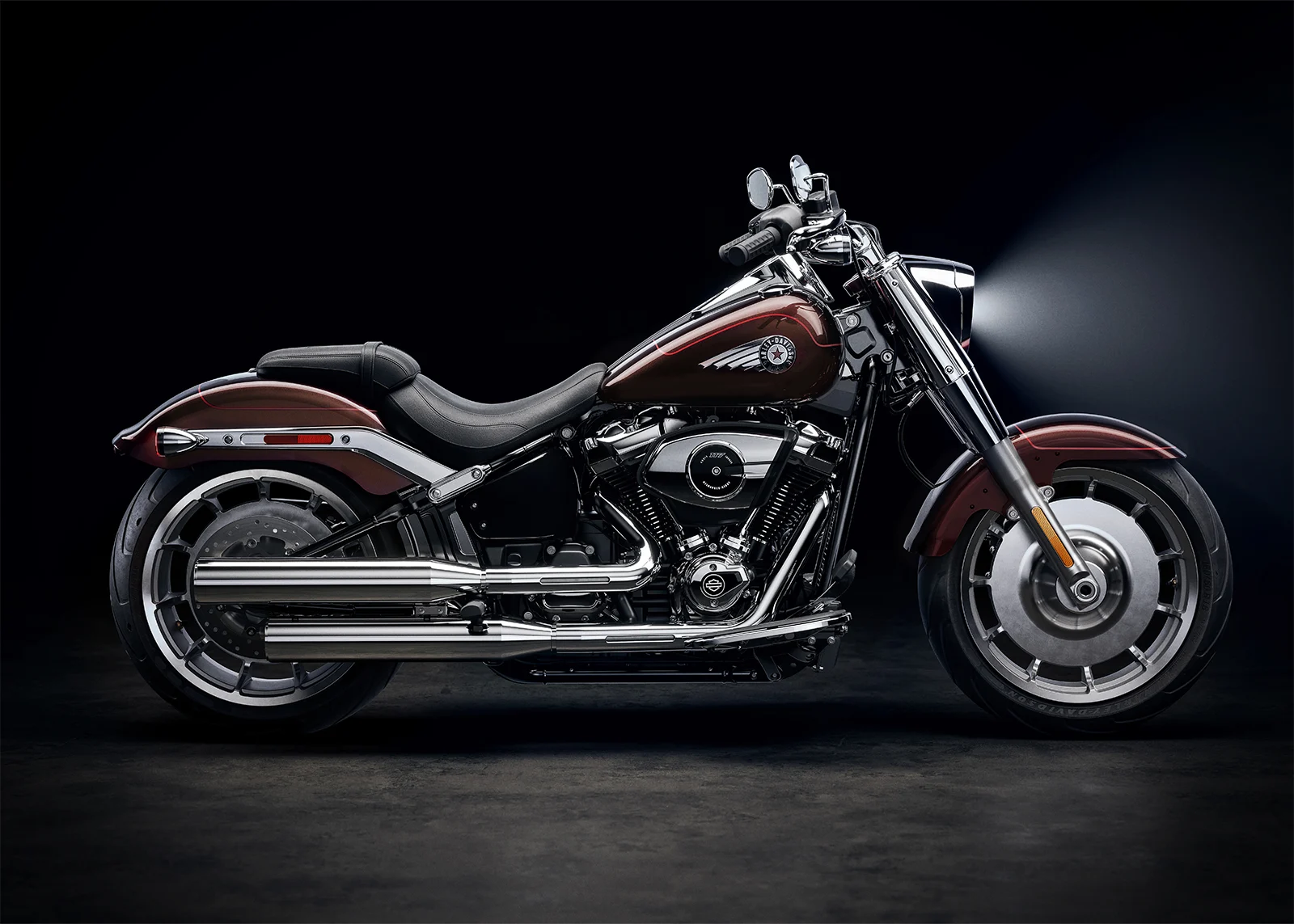
The original fat-custom icon was built to stand out confidently, turn heads constantly, and make every lane its own. The 2027 Fat Boy is bold by design.

Colours & Trims

Choose Your 2027 Harley-Davidson Fat Boy

01/01

At a Glance

Built to be bold

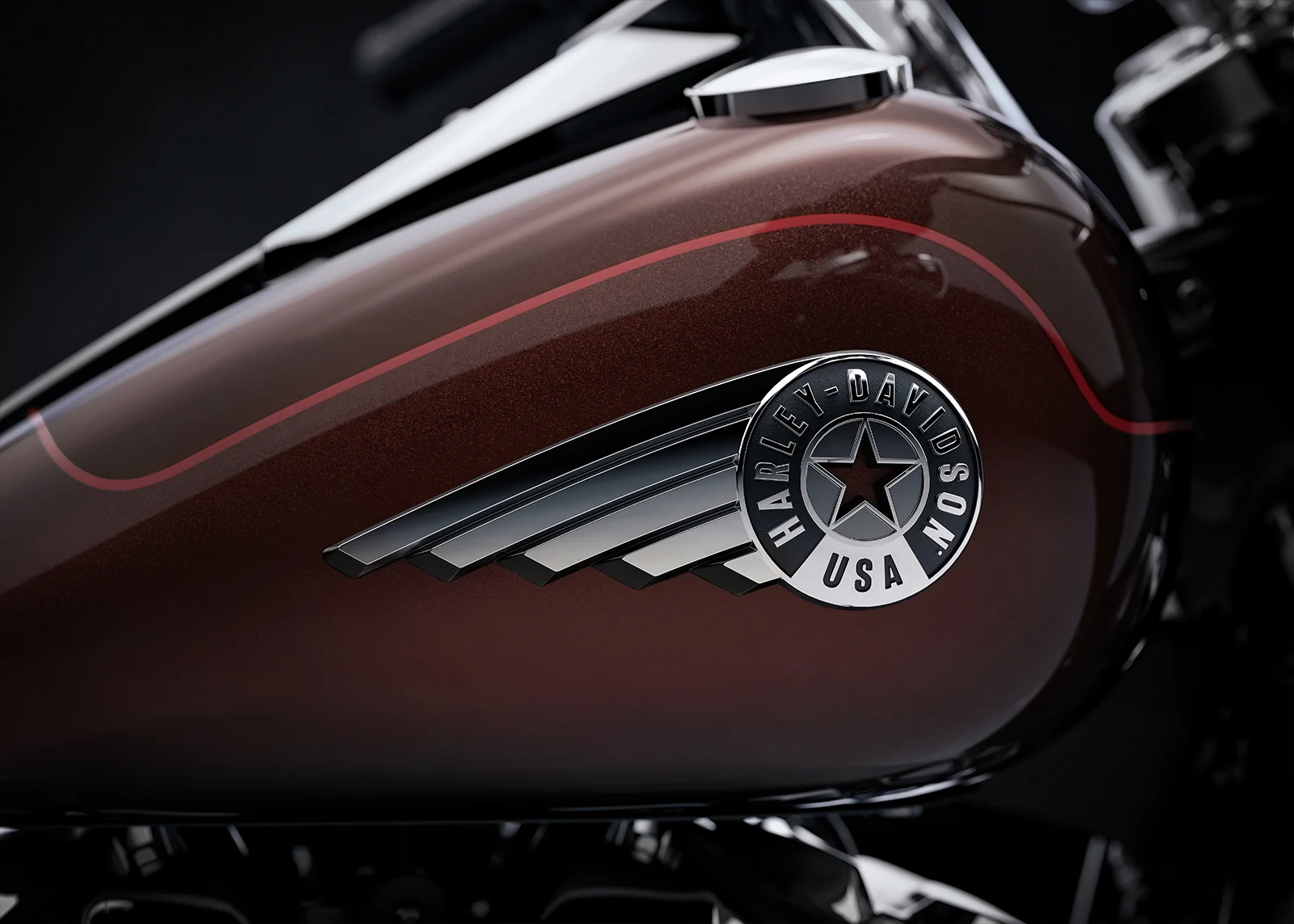
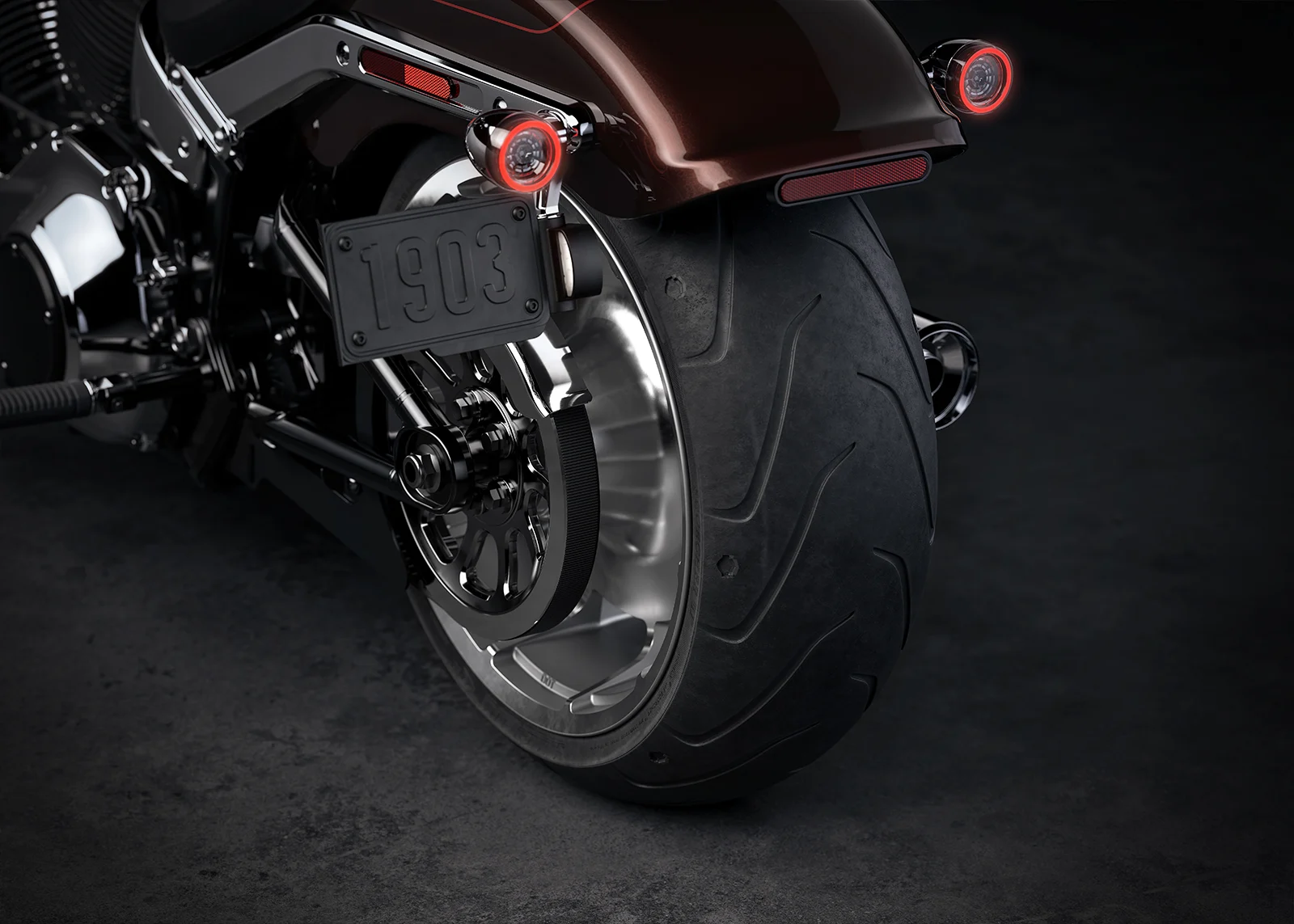
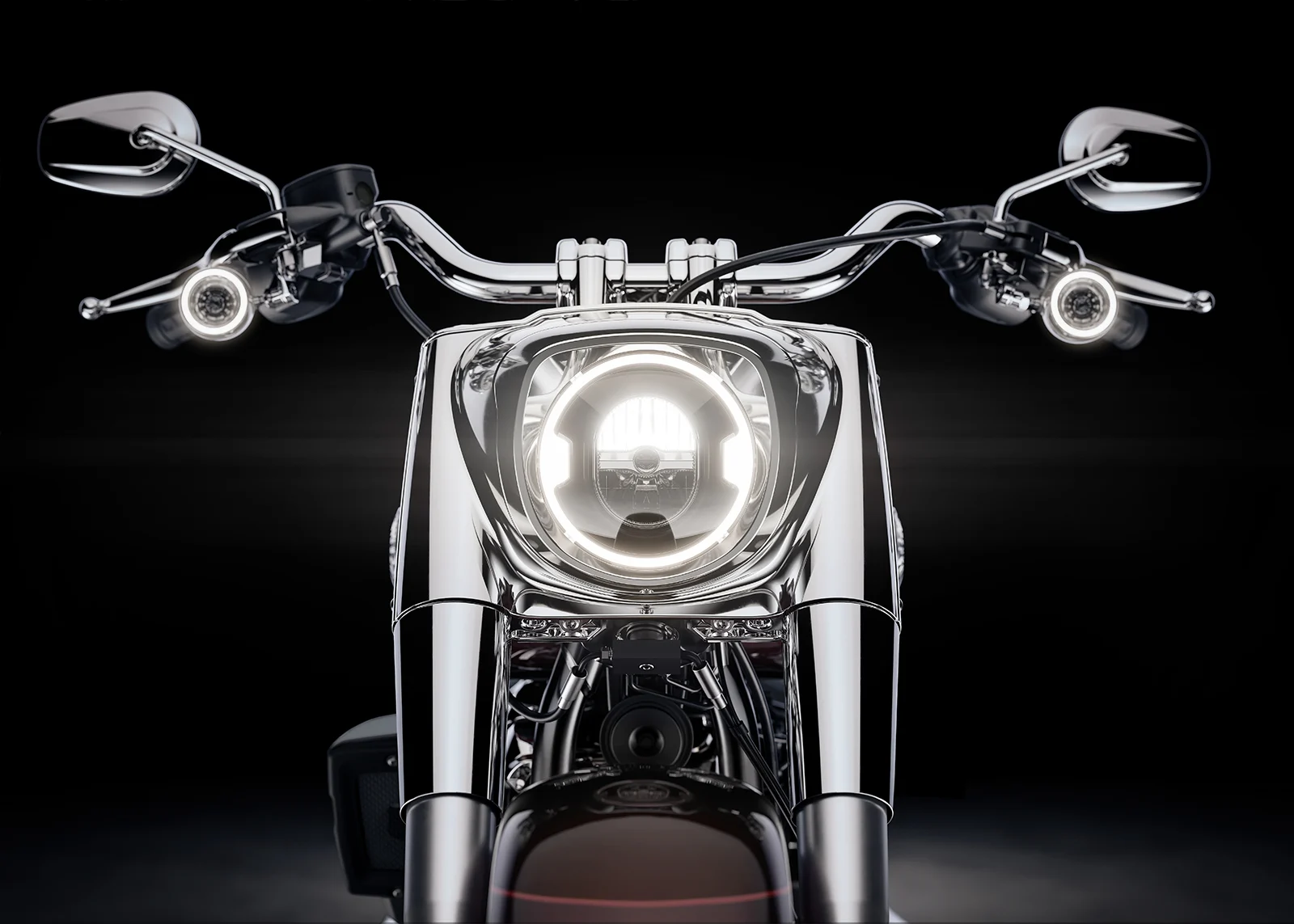
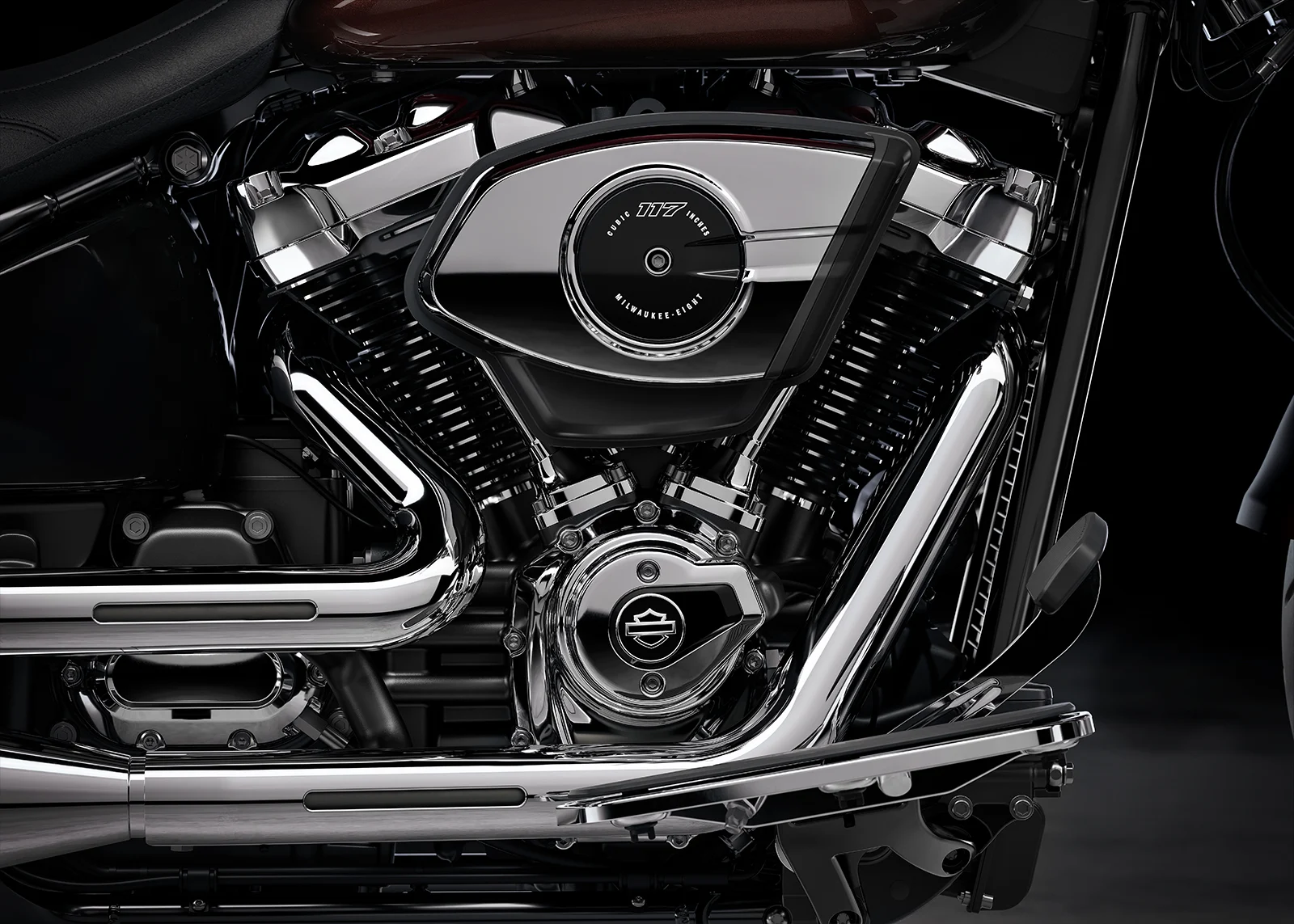
Wide tyres front and back. Classic Lakester cast aluminum wheels. An imposing steamroller stance, backed by a Milwaukee-Eight 117 Custom motor. LED lighting all around, Rider Safety Enhancements standard, and fine factory details that honor one of Harley-Davidson's most legendary silhouettes. This is the 2027 Fat Boy.
103HP 77 kW @ 5020 rpmHorsepower
675mm Seat Height, Unladen
168Nm @ 3000 rpmEngine Torque
5.5l/100 km Fuel Economy

Highlights

Key Features

01/01

2027 Harley-Davidson Fat Boy

01/01
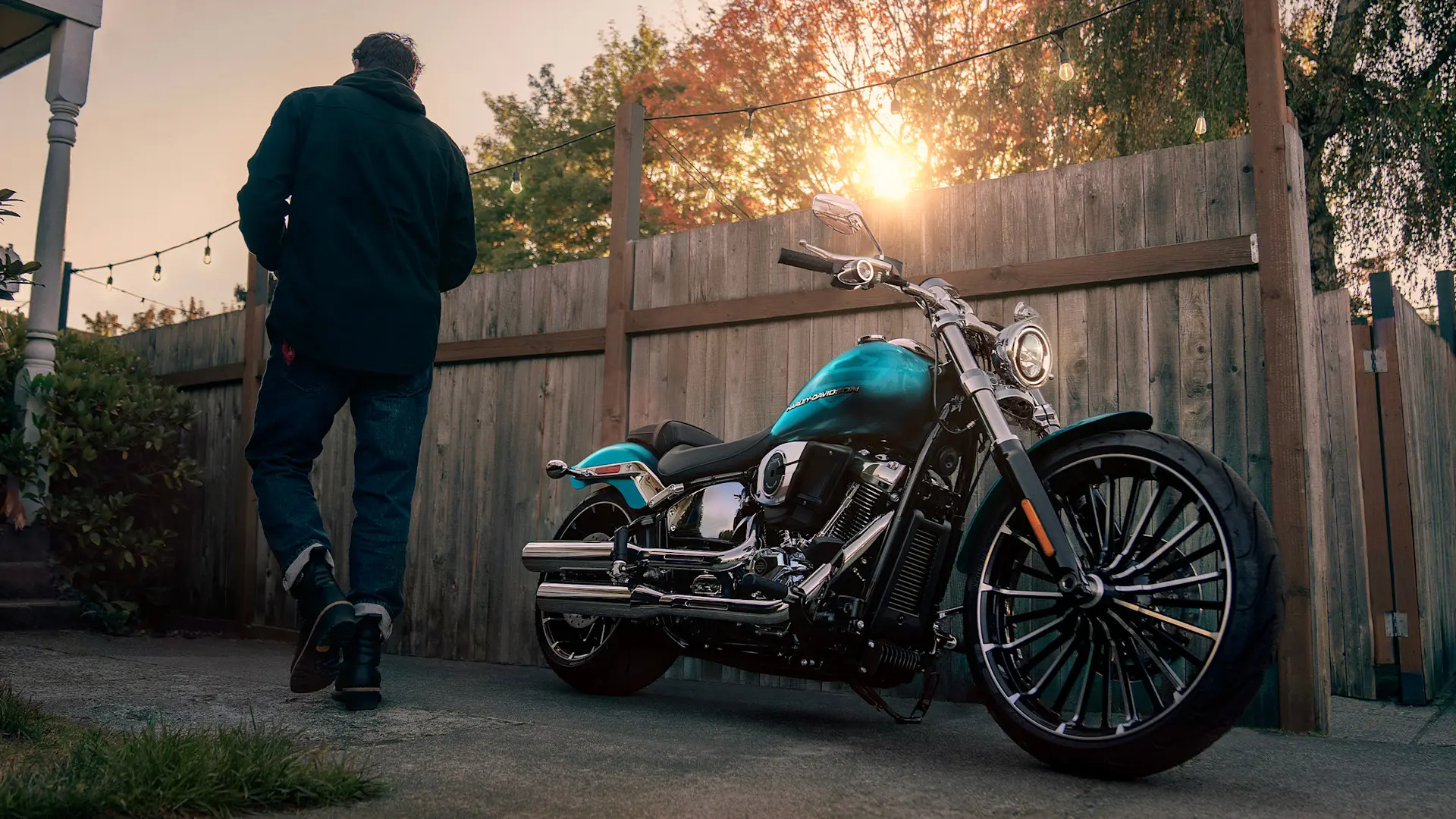
Every time I park it, I catch myself looking back at it. I've never done that with any other motorcycle I've owned, but there's something about the Fat Boy that makes you want to take it in for a second before you walk away.

Explore the 2027 Fat Boy

Live big, ride fat

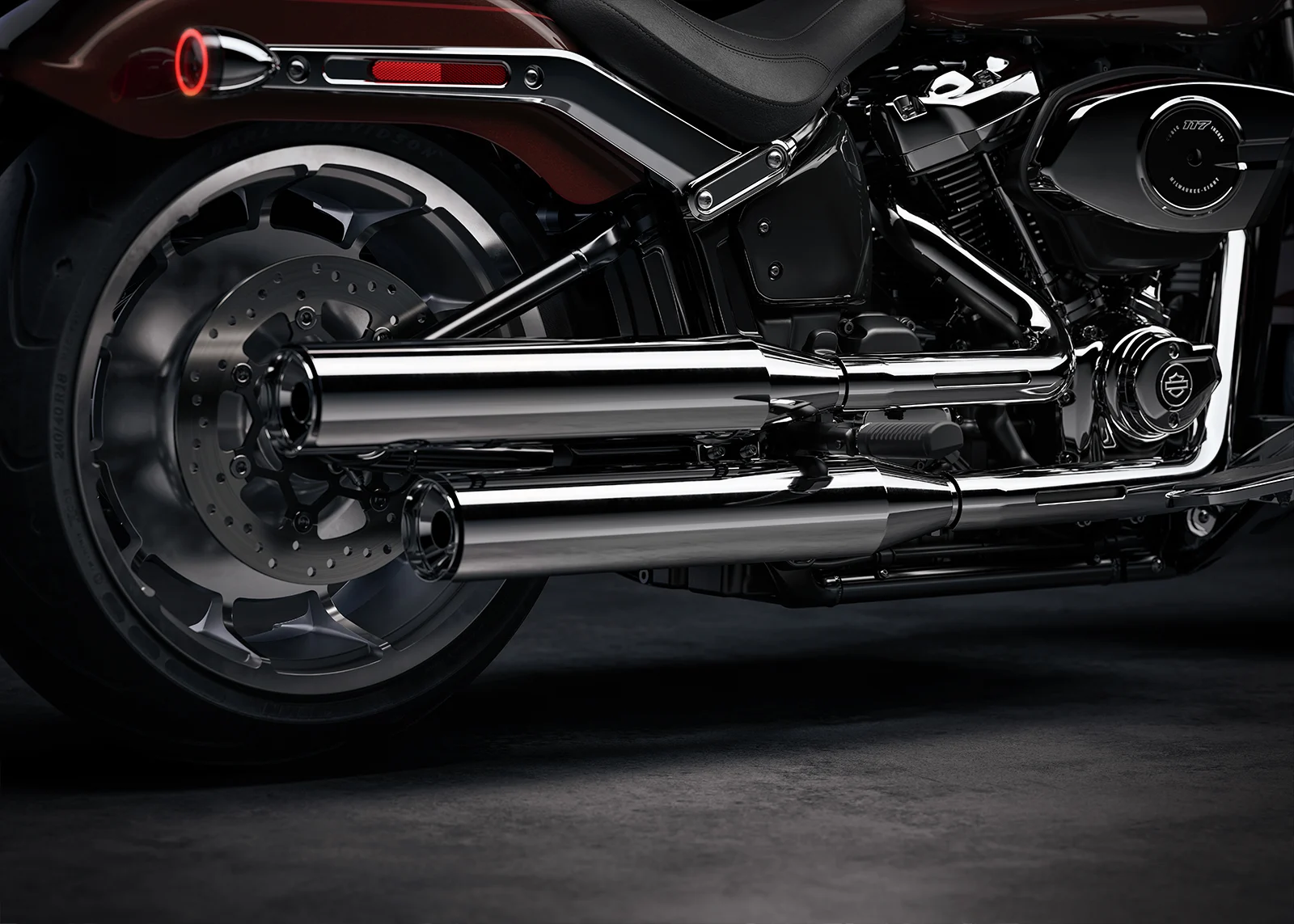
Bulk up and stand out on the 2027 Fat Boy, which flexes more muscle than ever with its Milwaukee-Eight 117 Custom V-twin. This big, beautiful cruiser gets a lot of attention with its iconic shapes, its 2-into-2 exhaust, and its full LED lighting, and no one has to feel bad about staring and pointing at this Fat Boy.

Explore

Design

01/01

Standard Technology

Rider Safety Enhancements

Harley-Davidson's Rider Safety Enhancements is all about giving you that extra peace of mind when things get a little unpredictable. It's a set of smart tech that steps in during tricky situations, helping the Motorcycle handle traction while you're accelerating, braking, or slowing down. With the Cornering Rider Safety Enhancements, the Motorcycle even adjusts for cornering, keeping things smooth and steady without you having to think twice.
Anti-lock Brake System (ABS)
ABS is designed to prevent the wheels from locking under braking and helps the rider maintain control when braking in a straight-line, urgent situation.
Traction Control System (TCS)
The TCS is designed to keep the rear wheel from "spinning out" when the motorcycle is accelerating in a straight line and enhances rider confidence.
Drag-Torque Slip Control System (DSCS)
DSCS is designed to reduce excessive rear-wheel slip and help prevent rear-wheel lock under powertrain-induced deceleration, which typically occurs when the rider makes an abrupt downshift gear change or quickly reduces the throttle while on wet or slippery road surfaces.
Tyre Pressure Monitoring System (TPMS)
TPMS alerts the rider through the information display to low or high tyre air pressure. Maintaining proper tyre air pressure is important both for vehicle performance and tyre life.
Cornering Enhanced Anti-lock Brake System (C-ABS)
C-ABS is a variant of ABS that takes into consideration the lean angle of a two-wheel motorcycle, or the lateral acceleration of a Trike model. The brake pressure required to limit wheel slip when cornering is typically or lower than the pressure required under straight line operation.
Cornering Enhanced Traction Control System (C-TCS)
C-TCS is designed to prevent the rear wheel from excessive spinning under acceleration when going straight or cornering.
Cornering Drag-Torque Slip Control System (C-DSCS)
On bikes equipped with C-DSCS, the system helps keep the rear wheel from slipping or locking up when you quickly downshift or let off the throttle, especially on wet or slippery roads. When turning, it can adjust based on how much a two-wheel bike is leaning or the side-to-side motion on a Trike.

2027 Harley-Davidson Fat Boy

Technical Specifications

Length
2,365 mm
Width
965 mm
Seat Height, Unladen
675 mm
Ground Clearance
125 mm
Rake
30
Trail
104 mm
Wheelbase
1,650 mm
Tyre, Type
Michelin Scorcher 11, front and rear
Tyres, Front Specification
160/60R18,70V,BW
Tyres, Rear Specification
240/40R18,79V,BW
Fuel Capacity
18.9 l
Oil Capacity (w/filter)
4.7 l
Weight, In Running Order
315 kg
Engine
Milwaukee-Eight 117 Custom
Bore
103.5 mm
Stroke
114.3 mm
Displacement
1,923 cc
Compression Ratio
10.3:1
Fuel System
Electronic Sequential Port Fuel Injection (ESPFI)
Exhaust
2-into-2 staggered; catalyst in muffler
Engine Torque Testing Method
EC 134/2014
Engine Torque
168 Nm
Engine Torque (rpm)
3000
Horsepower
77 kW @ 5020 rpm
Lean Angle, Right (deg.)
25.6
Lean Angle, Left (deg.)
25.6
Fuel Economy Testing Method
EU 134/2014
Fuel Economy
5.5 l/100 km
CO<sub>2</sub> Emissions Testing Method
EU 134/2014
CO<sub>2</sub> Emissions
128 g/km CO2
Primary Drive
Chain, 34/46 ratio
Gear Ratios (overall) 1st
9.311
Gear Ratios (overall) 2nd
6.454
Gear Ratios (overall) 3rd
4.793
Gear Ratios (overall) 4th
3.882
Gear Ratios (overall) 5th
3.307
Gear Ratios (overall) 6th
2.79
Front Fork
Dual-bending valve 49 mm telescopic with aluminum fork triple clamps; dual rate spring; "beer can" covers
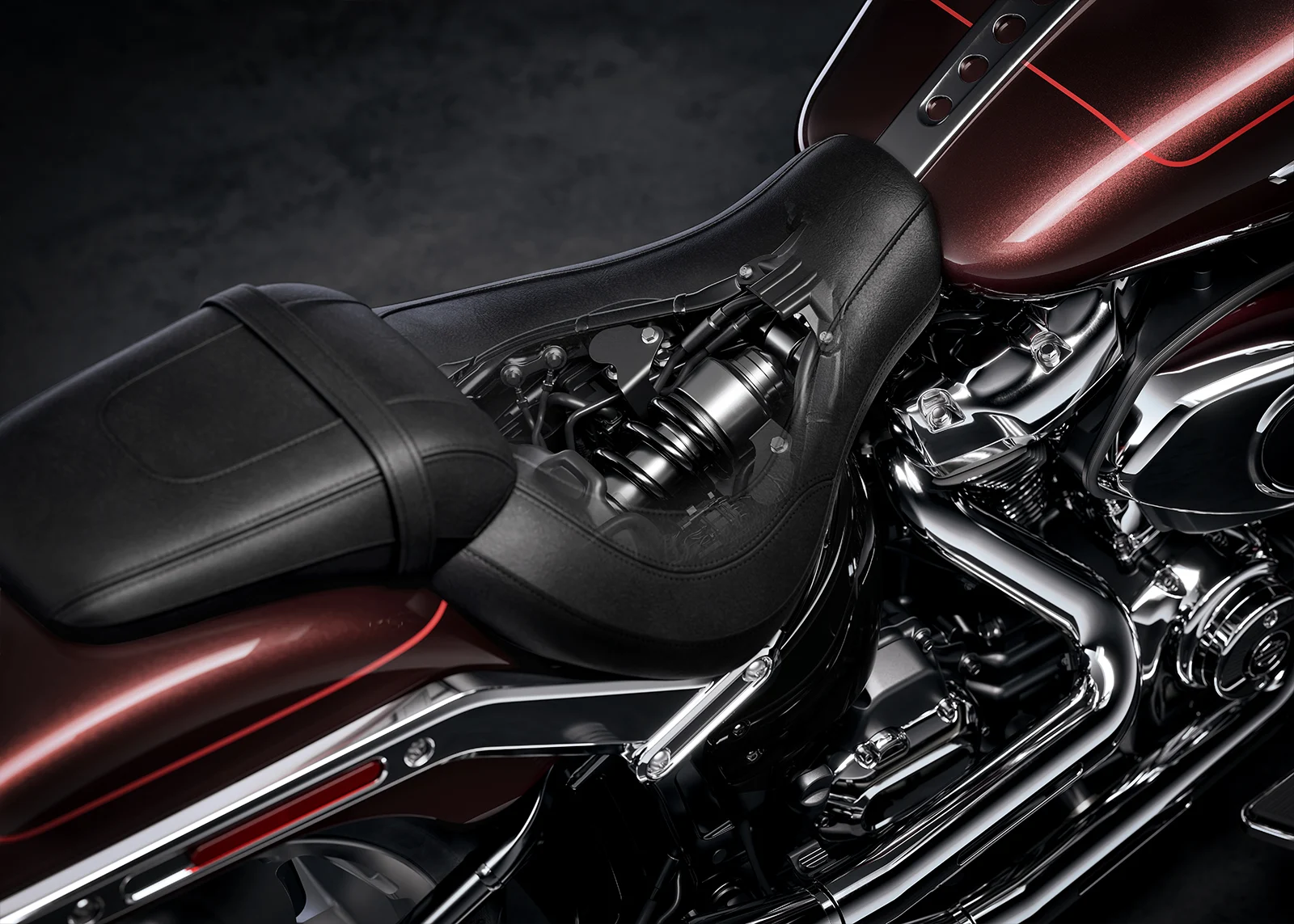
Rear Shocks
Hidden, free piston, coil-over monoshock; 43mm stroke; hydraulic preload adjustment
Wheels, Front Type
Machined, Lakester cast aluminum
Wheels, Rear Type
Machined, Lakester cast aluminum
Brakes, Caliper Type
4-piston fixed front and 2-piston floating rear
Brakes, Rotor Type
Front and rear silver, Split 7-spoke floating rotors
Lights (as per country regulation), Headlamp, Tail/Stop, Front Signal Lights, Rear Turn Signals
Headlamp: All LED headlamp, low and high beam with signature position lighting; Tail/Stop: Bullet-style, LED stop/tail/turn signals; Front Signal Lights/Rear Turn Signals: LED Bullet Turn Signals
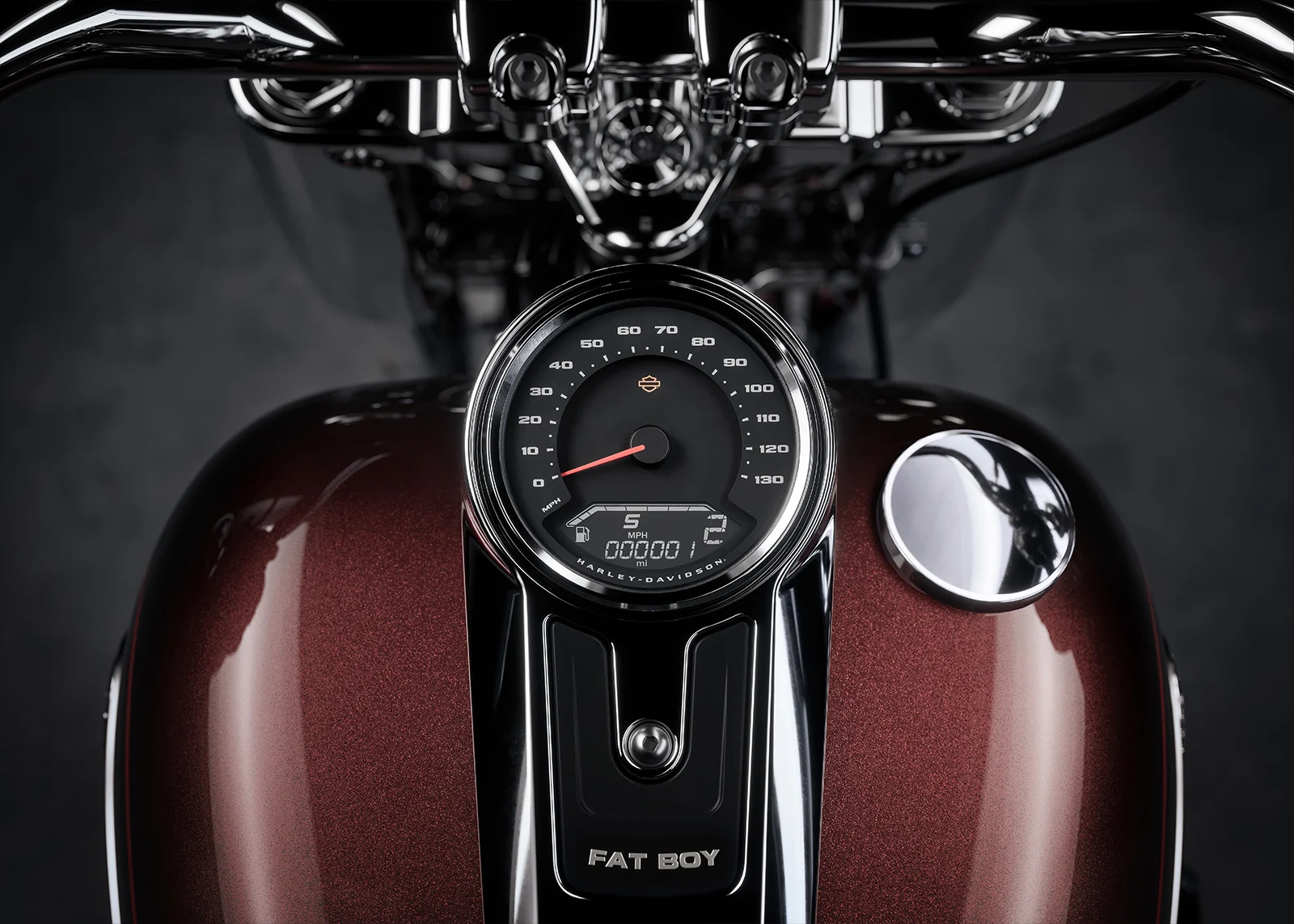
Gauges
127 mm analog speedometer with digital gear, odometer, fuel level, ride modes, heated gear, traction control, ABS, TPMS, cruise control, clock, trip, range and tachometer indication